Industry News
Curation by industry experts
Hot Articles
- Thermodynamic Tech TrendsHow to Size Heat Exchange Systems for Refrigeration Plants at Peak Load
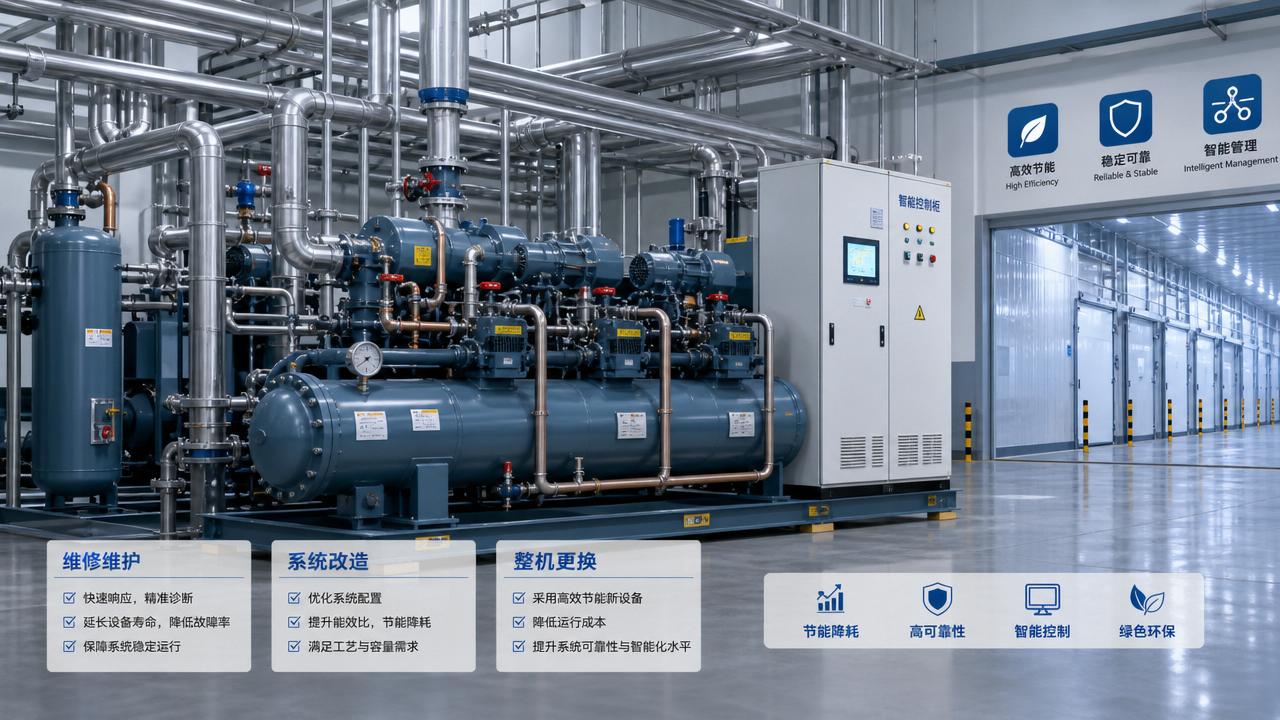
- Parallel Compressor RacksHow to Size Reciprocating Compressors for Cold Storage Load and Temperature Range
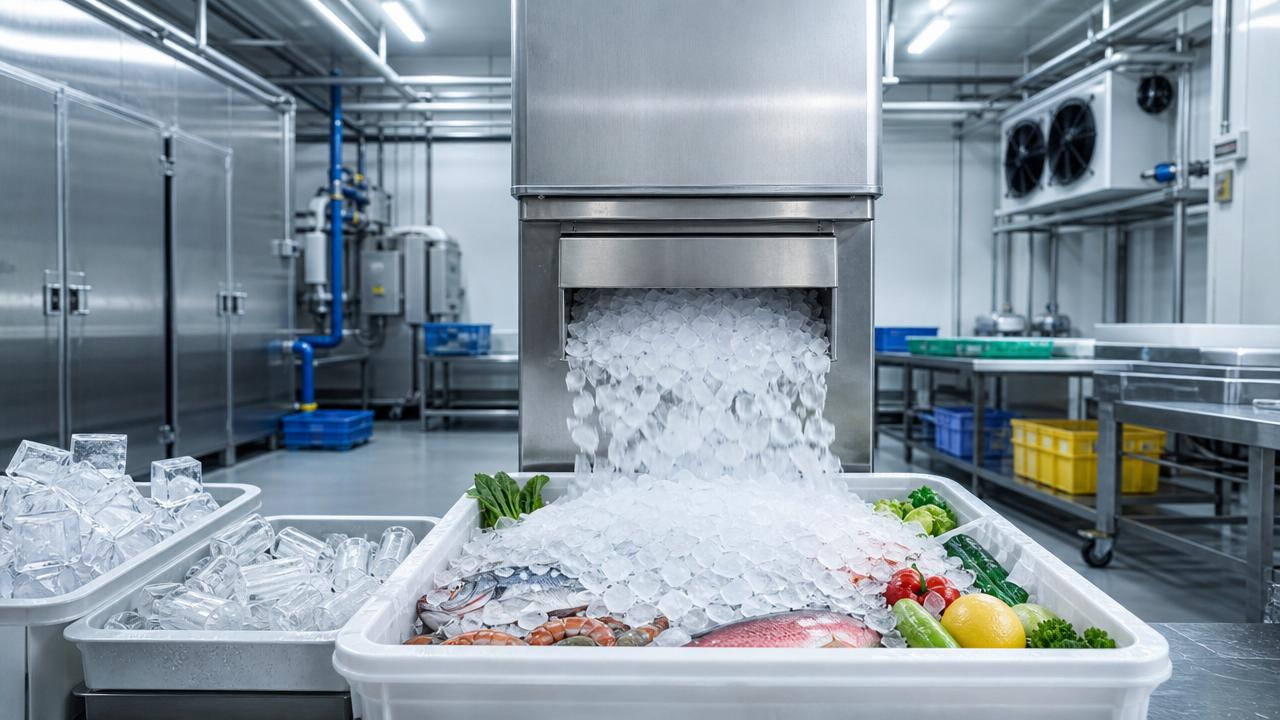
- Flake Ice MachinesHow to Size a Commercial Ice Dispenser for Peak Demand in Foodservice Operations
Popular Tags
US EPA Delays R410A Ban, Expanding Export Window for CO₂ Systems
On May 21, 2026, the U.S. Environmental Protection Agency (EPA) officially extended compliance deadlines for hydrofluorocarbon (HFC) phaseout in residential air conditioning and heat pump equipment—reversing its prior mandate to prohibit installation of R410A-based units starting in 2026. The revised policy permits continued sale and installation of existing R410A inventory until stock is depleted, directly impacting global supply chain planning and certification timelines for HVAC exporters.
EPA Modifies HFC Compliance Timeline for Residential HVAC
The U.S. EPA announced on May 21, 2026, that it has relaxed the regulatory deadline for phasing out R410A in new residential air conditioners and heat pumps. The agency rescinded the hard requirement prohibiting installation of R410A equipment effective January 1, 2026. Instead, manufacturers and distributors may continue selling and installing existing R410A units until inventory is fully exhausted. This adjustment applies specifically to residential cooling and heating equipment subject to EPA’s Significant New Alternatives Policy (SNAP) Rule 23 and subsequent amendments.
Impact Across Supply Chain Roles
Direct Exporters
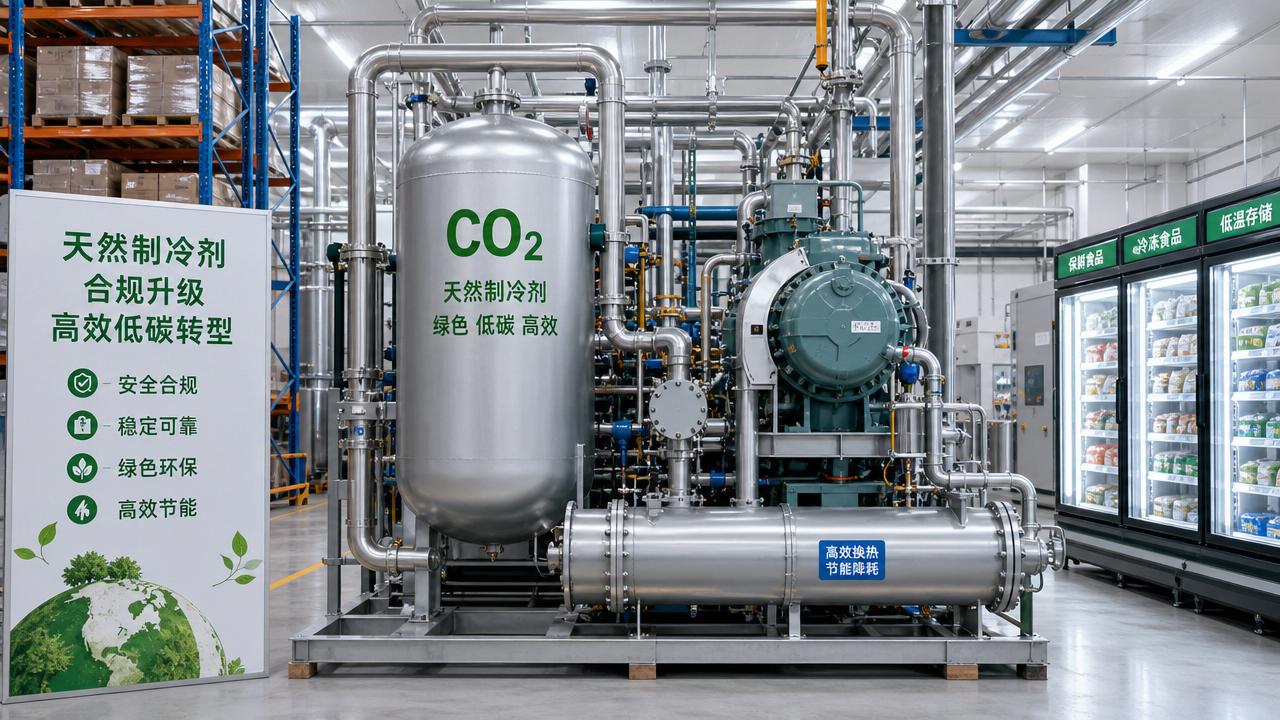
Export-oriented HVAC manufacturers face a recalibrated product launch schedule. With the R410A transition delayed, demand for transitional CO₂ transcritical systems remains time-bound but less urgent—allowing more flexibility in order sequencing, shipping logistics, and customs documentation alignment with evolving U.S. import requirements.
Raw Material Suppliers
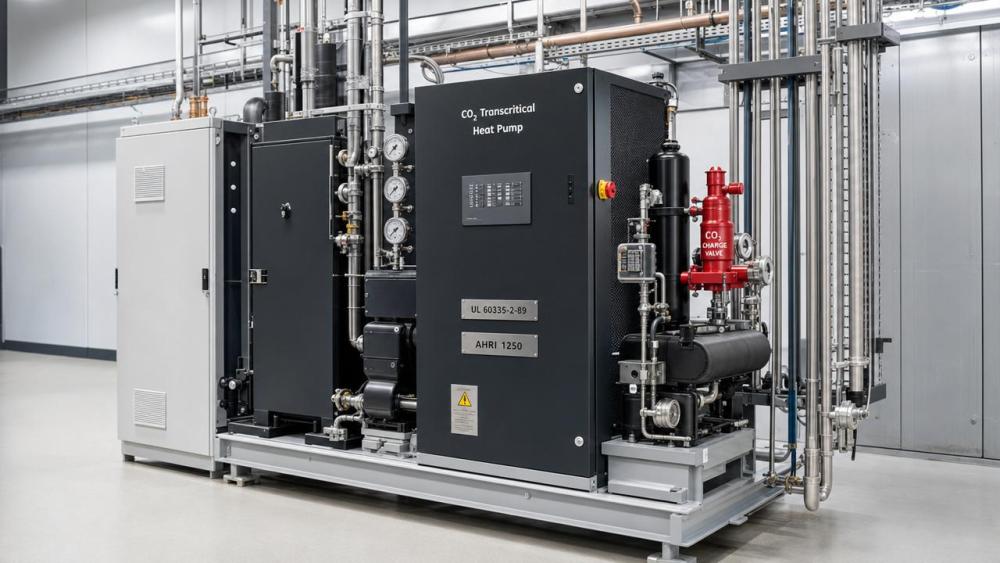
Suppliers of high-pressure components (e.g., stainless-steel tubing, CO₂-compatible compressors, and specialized valves) experience moderated near-term volume pressure. However, they must now prepare for sustained ramp-up beyond 2026, as OEMs extend qualification timelines for materials meeting UL 60335-2-89 and AHRI 1250 test conditions.
Contract Manufacturers & OEMs
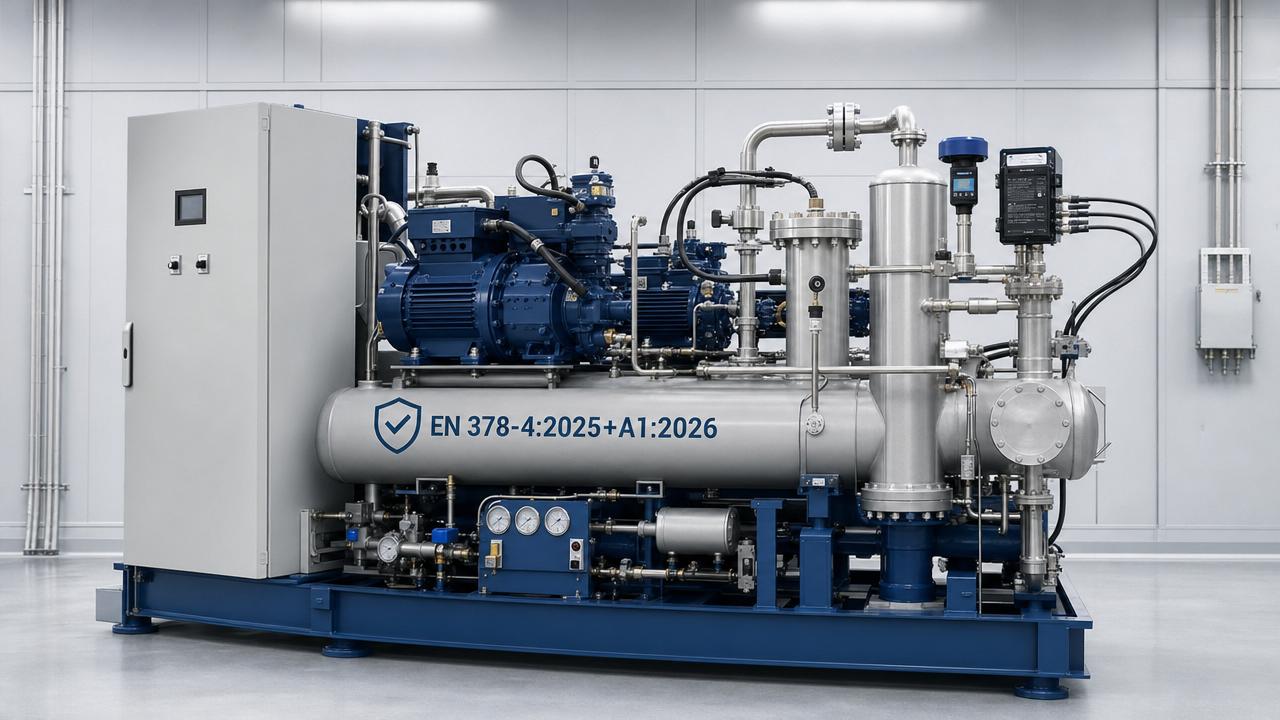
Manufacturers producing for U.S.-bound brands must re-evaluate production line conversion plans. The extension provides additional time to validate CO₂ system performance across diverse operating conditions, recalibrate safety interlocks, and complete full-system third-party certifications—notably UL 60335-2-89 (safety standard for heat pumps) and AHRI 1250 (performance rating for CO₂ systems).
Supply Chain Service Providers
Testing laboratories, certification bodies, and regulatory consultants see shifting demand patterns: fewer emergency audits in Q2–Q3 2026, but increased requests for pre-submission technical reviews, gap assessments against updated EPA guidance, and bilingual documentation support for U.S. market entry dossiers.
Key Priorities for Export-Oriented Manufacturers
Leverage Extended Certification Timelines Strategically
Companies already certified to UL 60335-2-89 and AHRI 1250 should prioritize customer-facing validation—such as field trial reports, warranty extension frameworks, and service technician training modules—to differentiate offerings amid prolonged R410A coexistence.
Align Production Scheduling with Inventory Drawdown Signals
Monitor U.S. distributor inventory disclosures and AHRI shipment data closely. Since R410A unit sales are now permitted until stock depletion—not calendar-driven—the actual CO₂ adoption inflection point will vary by channel and region.
Prepare Dual-Compliance Documentation Sets
Maintain parallel technical files: one for legacy R410A models (aligned with current SNAP provisions), and another for CO₂ systems (highlighting UL/AHRI compliance, pressure-rated component traceability, and refrigerant handling protocols per EPA Section 608 requirements).
Industry Perspective: Transition Is Delayed, Not Deferred
Analysis shows this EPA decision does not alter the long-term regulatory trajectory—it merely defers operational execution. What deserves closer attention is how the extended window reshapes competitive dynamics: firms with mature CO₂ platform architectures gain disproportionate advantage in bidding for next-generation U.S. utility rebate programs and federal procurement contracts, where low-GWP compliance is increasingly a prerequisite—not just a differentiator. Moreover, the delay may compress the post-2027 certification bottleneck, potentially intensifying demand for accredited testing capacity later this decade.
Strategic Implication for Global HVAC Exporters
This adjustment reaffirms that regulatory transitions in mature markets are rarely linear—they involve iterative calibration between environmental goals, industrial readiness, and consumer affordability. For Chinese HVAC exporters, the revised timeline is neither a reprieve nor a reversal, but a strategic pause: one that rewards disciplined investment in standards-aligned engineering, not just accelerated output. Success hinges less on speed of conversion and more on depth of compliance integration—from component sourcing to after-sales service infrastructure.
Source Attribution & Ongoing Monitoring
This article was generated exclusively from the provided title, event date (May 21, 2026), and summary text. Specific official source links were not provided in the input and should be verified continuously. Stakeholders are advised to monitor forthcoming EPA guidance documents on SNAP Rule 23 implementation, updates to AHRI’s certification protocols, and evolving state-level enforcement practices—particularly in California and Vermont, where HFC restrictions may advance independently of federal timelines.
Recommended News
 Cold Chain & Retail Energy InsightsWhen Does Cold Storage Stop Saving Energy and Start Losing It?Analyst :Mr. Julian Thorne
 Thermodynamic Tech TrendsTemperature Control Problems That Quietly Ruin Product QualityAnalyst :Prof. Sarah Lin
 Cold Chain & Retail Energy InsightsCommercial Refrigeration Upgrades: Which Costs Are Easy to Miss?Analyst :Mr. Julian Thorne
 Flake Ice MachinesWhy Some Commercial Ice Machines Cost More After InstallationAnalyst :Commercial Ice Tech Fellow
 Multideck Display CabinetsCommercial Freezers: Is Lower Temperature Always Better?Analyst :Retail Refrigeration Strategist
 Precision ChillersIndustrial Chillers: What Causes Performance Gaps in Summer?Analyst :Industrial Cooling Architect
 Concrete Cooling Ice PlantsIndustrial Ice Makers: What Separates Stable Output From Downtime?Analyst :Commercial Ice Tech Fellow
 Cold Chain & Retail Energy InsightsCold Chain Logistics Failures Often Start With Small Temperature SwingsAnalyst :Mr. Julian Thorne
 Air/Water-cooled ScrewIndustrial Cooling Systems: When Oversizing Becomes a Cost ProblemAnalyst :Industrial Cooling Architect
 Flake Ice MachinesFlake Ice Machines vs Other Ice Types for Fast Heat RemovalAnalyst :Commercial Ice Tech Fellow
 Multideck Display CabinetsWhy Refrigeration Cabinets Lose Efficiency Faster Than ExpectedAnalyst :Retail Refrigeration Strategist
 Smart Evaporator SystemsTemperature Control Systems: Which Alerts Actually Prevent Losses?Analyst :Cold Chain Dynamics Scientist
 Tube Ice MachinesTube Ice Machines: What Affects Ice Uniformity and Melt Rate?Analyst :Commercial Ice Tech Fellow
 Parallel Compressor RacksIndustrial Refrigeration Retrofits: Repair or Replace This Year?Analyst :Cold Chain Dynamics Scientist
 CO2 Transcritical SystemsCO2 Refrigeration: Where It Pays Off and Where It Still StrugglesAnalyst :Cold Chain Dynamics Scientist
 Eco-Refrigerant & ComplianceF-Gas Regulations Are Changing Equipment Choices Faster Than ExpectedAnalyst :Dr. Henrik Weber
 Cascade Refrigeration SystemsWhy Refrigeration Systems Keep Short Cycling After CommissioningAnalyst :Cryogenic Preservation Expert
 Eco-Refrigerant & ComplianceEco-Friendly Refrigeration: What Looks Green but Performs Poorly?Analyst :Dr. Henrik Weber
 Eco-Refrigerant & ComplianceNatural Refrigerants: Are Compliance Benefits Worth the Transition Cost?Analyst :Dr. Henrik Weber
 Cold Chain & Retail Energy InsightsCold Storage Solutions That Fit Expansion Plans Without OverbuildingAnalyst :Mr. Julian Thorne
 CO2 Transcritical SystemsEU F-Gas Regulation Revision Effective Oct 2026, CO₂ Transcritical Certification Window NarrowsAnalyst :Cold Chain Dynamics Scientist
 Multideck Display CabinetsMIIT Launches 2026 Industrial Energy Conservation InspectionAnalyst :Retail Refrigeration Strategist
 -86℃ ULT FreezersGlobal Deep-Sea Tuna Fishing Season Starts Early; China’s -86°C ULT Vessel Orders Surge 300%Analyst :Cryogenic Preservation Expert
 Magnetic Bearing ChillersDOE Updates ASHRAE 90.1-2025 Appendix: Maglev Chiller Efficiency Up 12%Analyst :Industrial Cooling Architect
 Tube Ice MachinesMiddle East Heatwave Boosts Chinese Tube Ice Machine ExportsAnalyst :Commercial Ice Tech Fellow
 Air/Water-cooled ScrewWhen does a variable frequency screw cut cooling costs?Analyst :Industrial Cooling Architect
 -86℃ ULT FreezersWhy is medical cryogenic storage under stricter review?Analyst :Cryogenic Preservation Expert
 Multideck Display CabinetsCan air curtain refrigeration really reduce display losses?Analyst :Retail Refrigeration Strategist
 Flake Ice MachinesWhat affects flake ice production more than output specs?Analyst :Commercial Ice Tech Fellow
 Deep-sea Fishery FreezersDeep cryogenic storage failures often start unnoticedAnalyst :Cryogenic Preservation Expert
 Microclimate ModulesHow anti-fog technology changes cold display performanceAnalyst :Retail Refrigeration Strategist
 Cold Chain & Retail Energy InsightsEnergy efficient cooling is not always the cheaper optionAnalyst :Mr. Julian Thorne
 Eco-Refrigerant & ComplianceWhat drives low carbon refrigeration adoption in 2026?Analyst :Dr. Henrik Weber
 Magnetic Bearing ChillersAre magnetic bearing chillers worth the upfront premium?Analyst :Industrial Cooling Architect
 Cold Chain & Retail Energy InsightsCold chain technology gaps still cause avoidable spoilageAnalyst :Mr. Julian Thorne
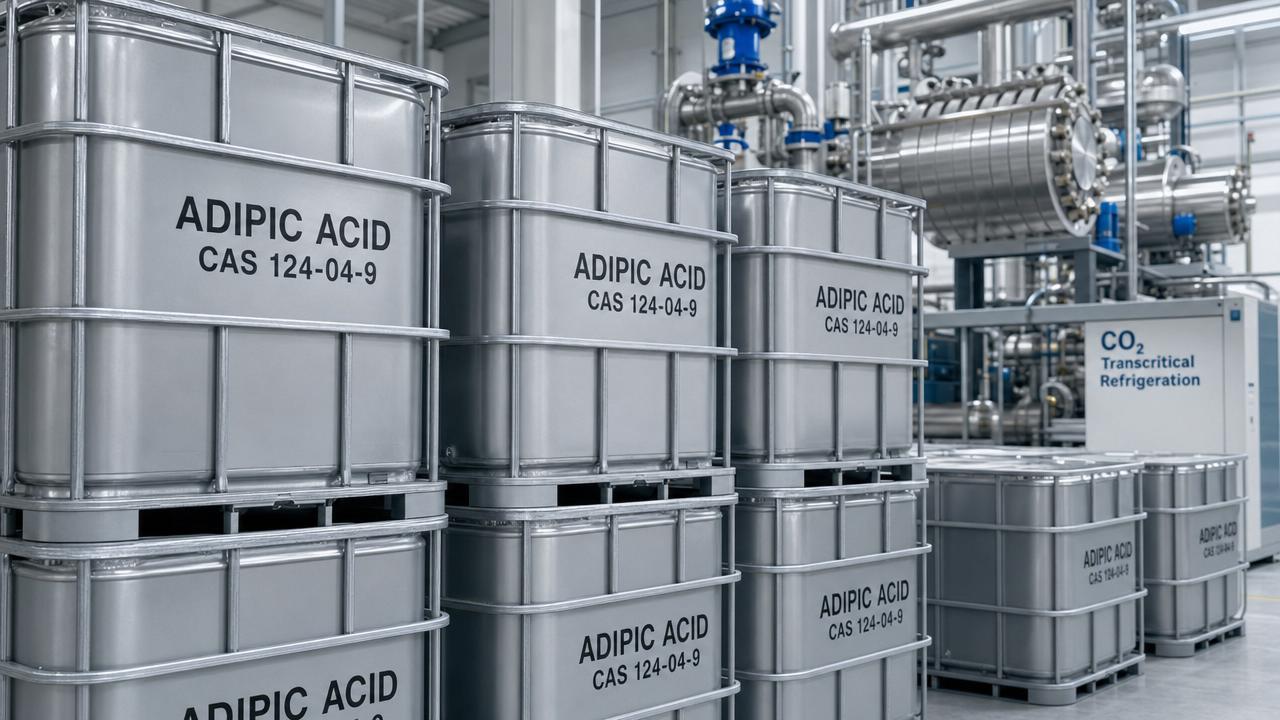
 CO2 Transcritical SystemsEU Imposes Final Anti-Dumping Duty on Chinese Adipic AcidAnalyst :Cold Chain Dynamics Scientist
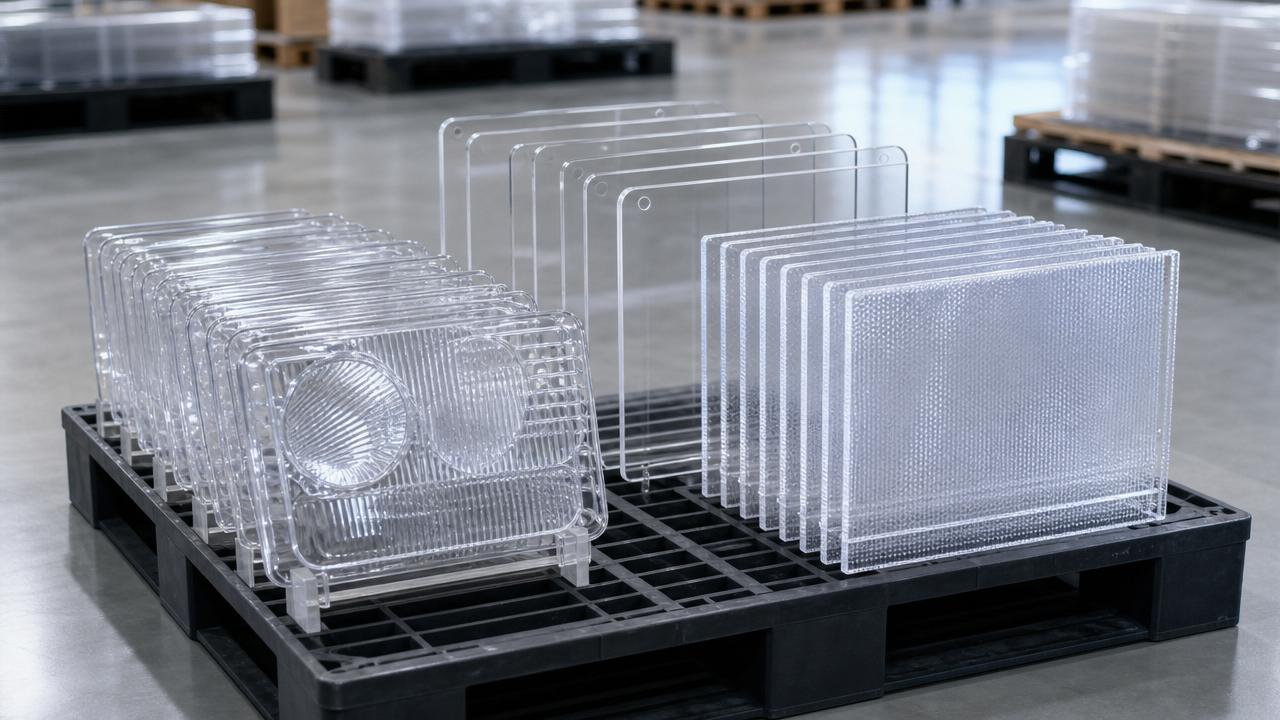
 Multideck Display CabinetsColombia Launches Anti-Dumping Sunset Review on Chinese Acrylic SheetsAnalyst :Retail Refrigeration Strategist
 Magnetic Bearing ChillersMIIT Launches 2026 Industrial Energy Conservation InspectionAnalyst :Industrial Cooling Architect
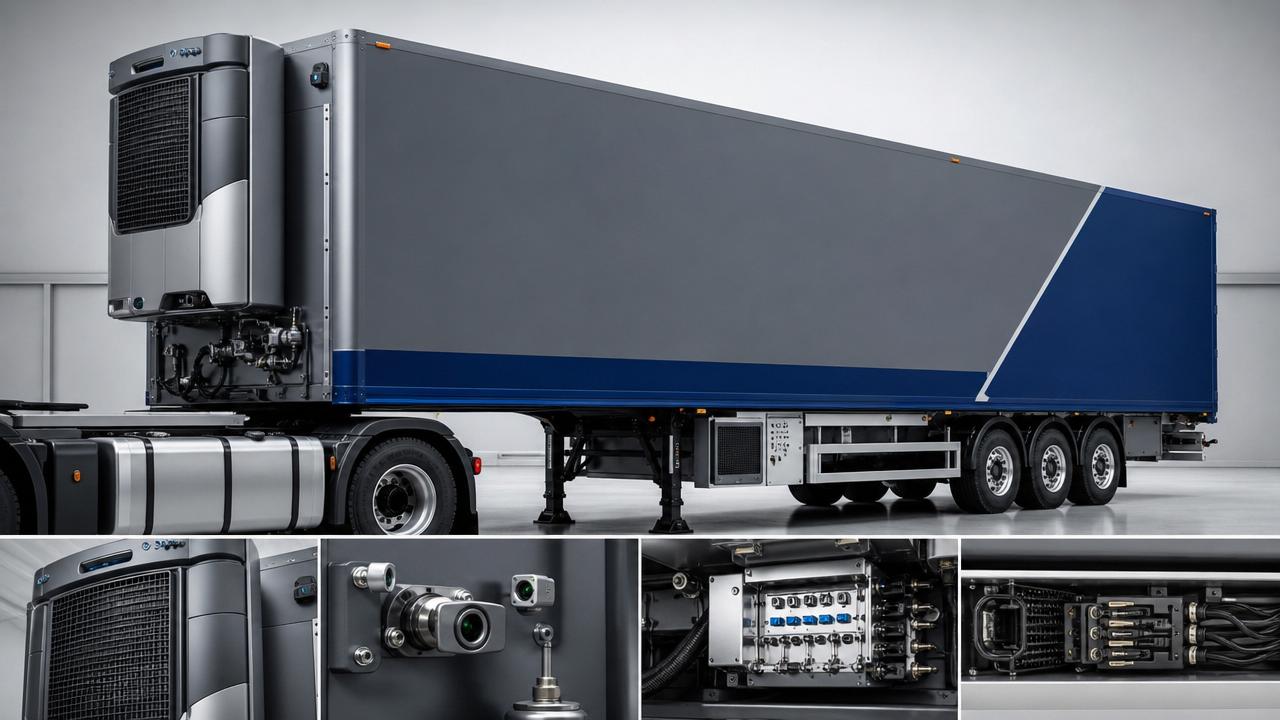
 Cold Chain & Retail Energy InsightsAPEC Auto Dialogue Sets New Standards for Smart Cold-Chain TrailersAnalyst :Mr. Julian Thorne
 Concrete Cooling Ice PlantsGlobal LNG Shortage Drives 23% Rise in Industrial Gas Costs for Ice PlantsAnalyst :Commercial Ice Tech Fellow