Industry News
Curation by industry experts
Hot Articles
- Thermodynamic Tech TrendsHow to Size Heat Exchange Systems for Refrigeration Plants at Peak Load
- Parallel Compressor RacksHow to Size Reciprocating Compressors for Cold Storage Load and Temperature Range
- Flake Ice MachinesHow to Size a Commercial Ice Dispenser for Peak Demand in Foodservice Operations
Popular Tags
ULT Freezers at -86°C Draw Global Buyers to Guangzhou Refrigeration Expo 2026
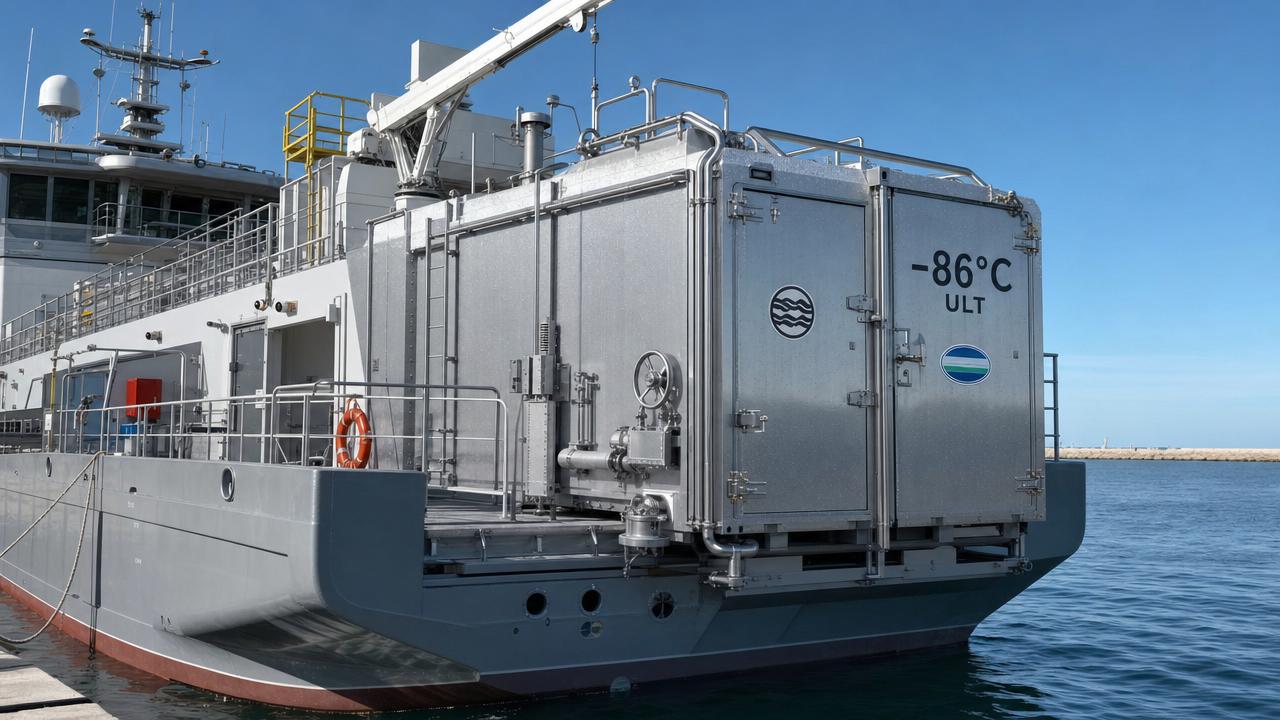
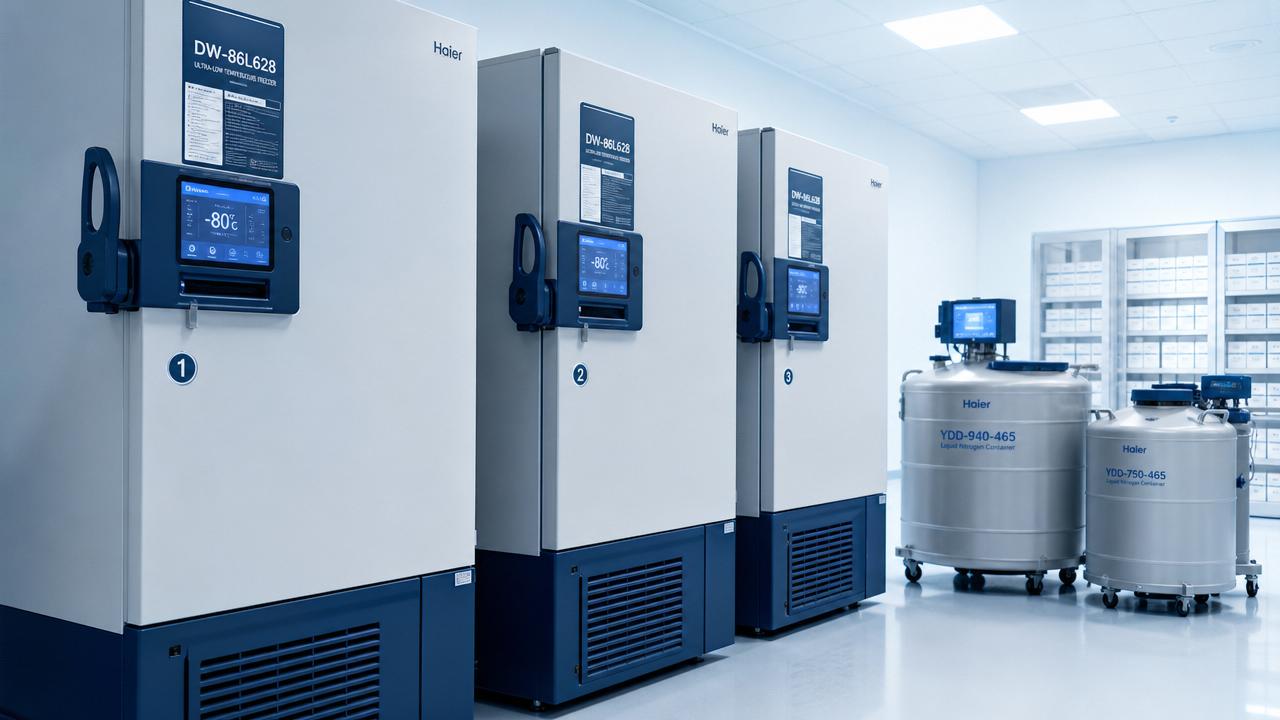
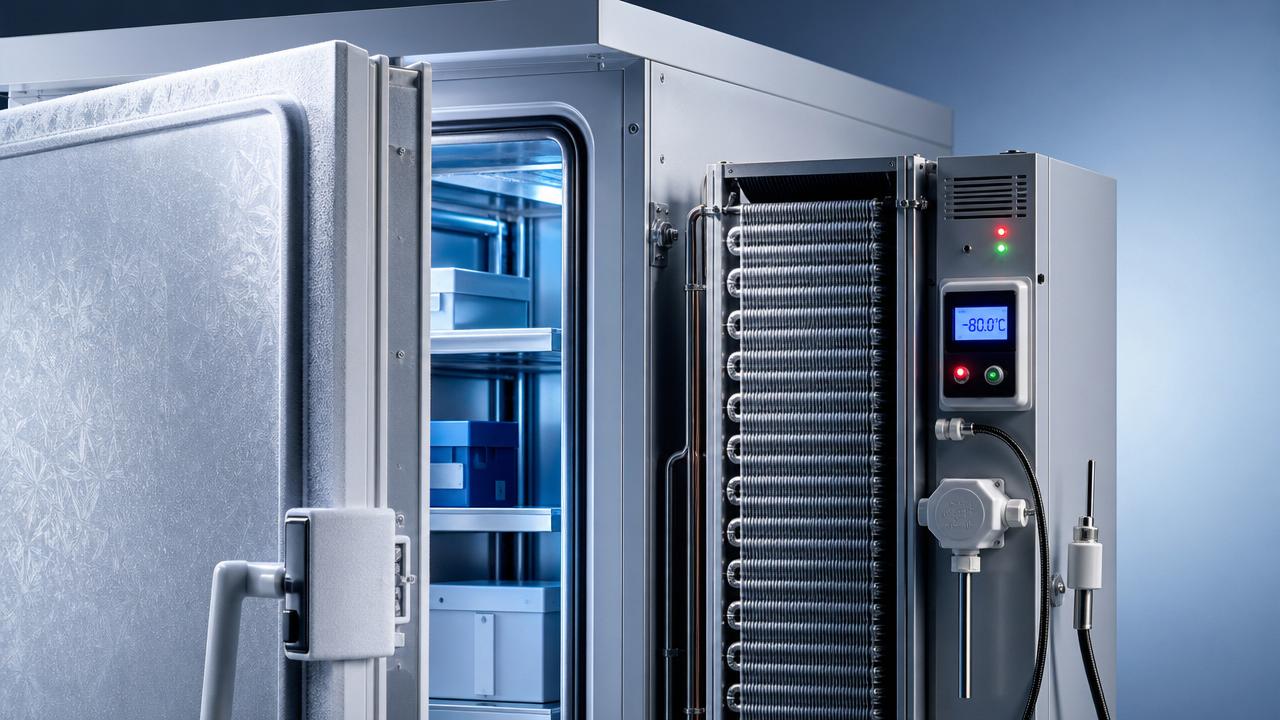
The 2026 Guangzhou International Refrigeration Exhibition (June 3–5) has confirmed that ultra-low temperature (ULT) freezers operating at −86 °C are emerging as a top procurement priority for international biomedicine importers — a development directly tied to tightened overseas regulatory expectations and newly introduced exhibition compliance requirements. The event, scheduled to open on June 3, 2026, reflects evolving global standards for cold-chain equipment used in life science applications.
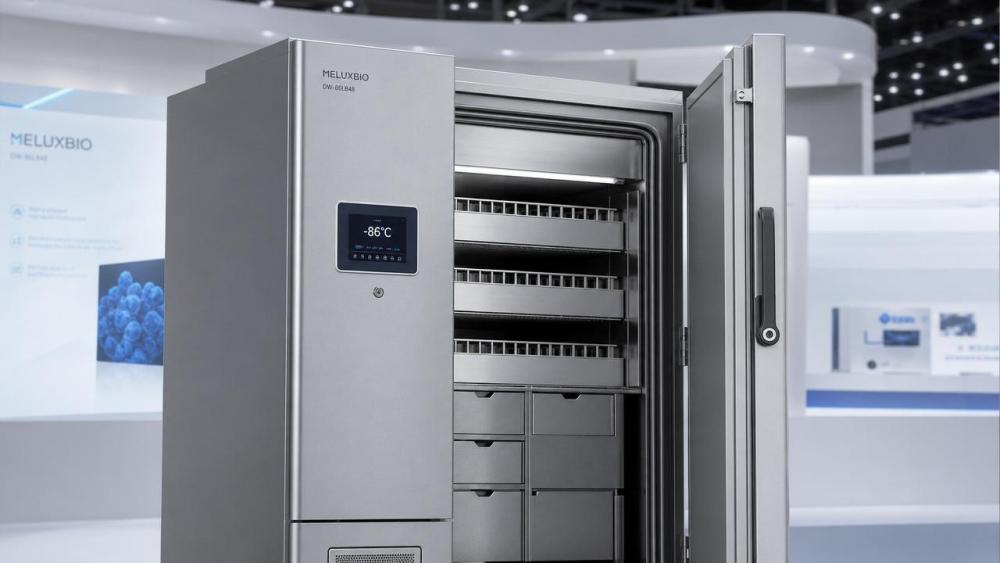
Confirmed Exhibition Requirements and Overseas Buyer Commitments
On May 31, 2026, the Organizing Committee of the 2026 Guangzhou International Refrigeration Exhibition announced the first cohort of international procurement delegations — including BioStore (Germany), MediFreeze (Japan), and CryoLife (Brazil), among 17 biomedicine-focused cold-chain importers. All have explicitly identified −86 °C ULT freezers as a core procurement category. To support this demand, the exhibition has launched a dedicated ‘Deep-Cold Life Sciences Zone’, mandating that participating suppliers submit valid ISO 13485 certification and UL/IEC 61010-2-040 safety test reports.
Impacts Across the Cold-Chain Equipment Value Chain
Export-oriented manufacturers
Manufacturers supplying ULT freezers to overseas markets must now align production, documentation, and quality assurance with clinical-grade reliability benchmarks — not just general industrial safety standards. This affects product validation timelines, technical file preparation, and post-market surveillance readiness.
Component and material suppliers
Suppliers of critical subsystems — such as compressors, insulation materials, or control electronics — face increased scrutiny regarding traceability, biocompatibility declarations, and conformity to IEC 61010-2-040’s specific risk mitigation clauses for laboratory equipment.
Contract manufacturing and OEM partners
OEMs producing under foreign brand names must ensure their manufacturing processes meet ISO 13485’s design control and production process validation requirements — even if the final device is marketed outside the medical device regulatory framework in certain jurisdictions.
Logistics and compliance support providers
Third-party certification consultants, testing labs, and export documentation services are seeing rising demand for targeted support on UL/IEC 61010-2-040 gap analysis, clinical-use risk assessments, and audit-ready quality management system implementation.
Key Compliance and Commercial Priorities for Suppliers
Verify ISO 13485 scope coverage for ULT freezer design and manufacturing
Certification must explicitly cover the full lifecycle — from design input verification through production process validation — not just generic quality management.
Obtain UL/IEC 61010-2-040 reports with documented clinical-use risk assessment
Generic IEC 61010-1 reports are insufficient; the specialized Part 2-040 standard applies specifically to laboratory equipment for biological samples, requiring hazard analysis for frost accumulation, door interlock failure, and temperature uniformity under load.
Prepare technical documentation for deep-cold zone qualification
Exhibitors must supply validated temperature mapping data, alarm response logs, and backup power resilience tests — all aligned with the ‘Deep-Cold Life Sciences Zone’ entry criteria.
Align procurement planning with overseas buyer lead times
Given the extended validation and certification cycles, suppliers should adjust order intake and delivery scheduling to accommodate pre-shipment compliance verification by importers like BioStore and MediFreeze.
Industry Observation: A Shift Toward Clinical-Grade Rigor in Cold-Chain Hardware
Analysis shows that the emphasis on ISO 13485 and UL/IEC 61010-2-040 at the Guangzhou exhibition signals more than procedural formality — it reflects a structural shift in how global biomedicine buyers assess equipment reliability. What deserves closer attention is that these requirements are increasingly functioning as de facto market access thresholds, even where formal medical device classification does not apply. From an industry perspective, this raises the bar for technical documentation maturity, extends time-to-market for new models, and increases the cost of noncompliance — especially for suppliers previously focused on general-purpose refrigeration.
Strategic Takeaway for the Cold-Chain Equipment Sector
This development underscores that regulatory preparedness is no longer optional for exporters targeting high-value life science markets. Success hinges on integrating clinical-grade quality systems early in product development — not retrofitting them for trade fairs. The Guangzhou 2026 exhibition serves as both a marketplace and a litmus test for operational readiness in an era where compliance equals credibility.
Source Attribution and Ongoing Monitoring
This article is based solely on the provided information: the title ‘2026 Guangzhou International Refrigeration Exhibition Announces −86 °C ULT Freezers as Key Focus for Overseas Buyers’, the event date ‘2026-06-03’, and the summary describing the May 31 announcement of international buyer delegations and associated compliance mandates. Specific official source links were not provided in the input and should be verified continuously. Stakeholders are advised to monitor upcoming updates on zone-specific application guidelines, interpretation notes for UL/IEC 61010-2-040 in non-medical contexts, and feedback from participating importers during the exhibition.
Recommended News
 Cold Chain & Retail Energy InsightsWhen Does Cold Storage Stop Saving Energy and Start Losing It?Analyst :Mr. Julian Thorne
 Thermodynamic Tech TrendsTemperature Control Problems That Quietly Ruin Product QualityAnalyst :Prof. Sarah Lin
 Cold Chain & Retail Energy InsightsCommercial Refrigeration Upgrades: Which Costs Are Easy to Miss?Analyst :Mr. Julian Thorne
 Flake Ice MachinesWhy Some Commercial Ice Machines Cost More After InstallationAnalyst :Commercial Ice Tech Fellow
 Multideck Display CabinetsCommercial Freezers: Is Lower Temperature Always Better?Analyst :Retail Refrigeration Strategist
 Precision ChillersIndustrial Chillers: What Causes Performance Gaps in Summer?Analyst :Industrial Cooling Architect
 Concrete Cooling Ice PlantsIndustrial Ice Makers: What Separates Stable Output From Downtime?Analyst :Commercial Ice Tech Fellow
 Cold Chain & Retail Energy InsightsCold Chain Logistics Failures Often Start With Small Temperature SwingsAnalyst :Mr. Julian Thorne
 Air/Water-cooled ScrewIndustrial Cooling Systems: When Oversizing Becomes a Cost ProblemAnalyst :Industrial Cooling Architect
 Flake Ice MachinesFlake Ice Machines vs Other Ice Types for Fast Heat RemovalAnalyst :Commercial Ice Tech Fellow
 Multideck Display CabinetsWhy Refrigeration Cabinets Lose Efficiency Faster Than ExpectedAnalyst :Retail Refrigeration Strategist
 Smart Evaporator SystemsTemperature Control Systems: Which Alerts Actually Prevent Losses?Analyst :Cold Chain Dynamics Scientist
 Tube Ice MachinesTube Ice Machines: What Affects Ice Uniformity and Melt Rate?Analyst :Commercial Ice Tech Fellow
 Parallel Compressor RacksIndustrial Refrigeration Retrofits: Repair or Replace This Year?Analyst :Cold Chain Dynamics Scientist
 CO2 Transcritical SystemsCO2 Refrigeration: Where It Pays Off and Where It Still StrugglesAnalyst :Cold Chain Dynamics Scientist
 Eco-Refrigerant & ComplianceF-Gas Regulations Are Changing Equipment Choices Faster Than ExpectedAnalyst :Dr. Henrik Weber
 Cascade Refrigeration SystemsWhy Refrigeration Systems Keep Short Cycling After CommissioningAnalyst :Cryogenic Preservation Expert
 Eco-Refrigerant & ComplianceEco-Friendly Refrigeration: What Looks Green but Performs Poorly?Analyst :Dr. Henrik Weber
 Eco-Refrigerant & ComplianceNatural Refrigerants: Are Compliance Benefits Worth the Transition Cost?Analyst :Dr. Henrik Weber
 Cold Chain & Retail Energy InsightsCold Storage Solutions That Fit Expansion Plans Without OverbuildingAnalyst :Mr. Julian Thorne
 CO2 Transcritical SystemsEU F-Gas Regulation Revision Effective Oct 2026, CO₂ Transcritical Certification Window NarrowsAnalyst :Cold Chain Dynamics Scientist
 Multideck Display CabinetsMIIT Launches 2026 Industrial Energy Conservation InspectionAnalyst :Retail Refrigeration Strategist
 -86℃ ULT FreezersGlobal Deep-Sea Tuna Fishing Season Starts Early; China’s -86°C ULT Vessel Orders Surge 300%Analyst :Cryogenic Preservation Expert
 Magnetic Bearing ChillersDOE Updates ASHRAE 90.1-2025 Appendix: Maglev Chiller Efficiency Up 12%Analyst :Industrial Cooling Architect
 Tube Ice MachinesMiddle East Heatwave Boosts Chinese Tube Ice Machine ExportsAnalyst :Commercial Ice Tech Fellow
 Air/Water-cooled ScrewWhen does a variable frequency screw cut cooling costs?Analyst :Industrial Cooling Architect
 -86℃ ULT FreezersWhy is medical cryogenic storage under stricter review?Analyst :Cryogenic Preservation Expert
 Multideck Display CabinetsCan air curtain refrigeration really reduce display losses?Analyst :Retail Refrigeration Strategist
 Flake Ice MachinesWhat affects flake ice production more than output specs?Analyst :Commercial Ice Tech Fellow
 Deep-sea Fishery FreezersDeep cryogenic storage failures often start unnoticedAnalyst :Cryogenic Preservation Expert
 Microclimate ModulesHow anti-fog technology changes cold display performanceAnalyst :Retail Refrigeration Strategist
 Cold Chain & Retail Energy InsightsEnergy efficient cooling is not always the cheaper optionAnalyst :Mr. Julian Thorne
 Eco-Refrigerant & ComplianceWhat drives low carbon refrigeration adoption in 2026?Analyst :Dr. Henrik Weber
 Magnetic Bearing ChillersAre magnetic bearing chillers worth the upfront premium?Analyst :Industrial Cooling Architect
 Cold Chain & Retail Energy InsightsCold chain technology gaps still cause avoidable spoilageAnalyst :Mr. Julian Thorne
 CO2 Transcritical SystemsEU Imposes Final Anti-Dumping Duty on Chinese Adipic AcidAnalyst :Cold Chain Dynamics Scientist
 Multideck Display CabinetsColombia Launches Anti-Dumping Sunset Review on Chinese Acrylic SheetsAnalyst :Retail Refrigeration Strategist
 Magnetic Bearing ChillersMIIT Launches 2026 Industrial Energy Conservation InspectionAnalyst :Industrial Cooling Architect
 Cold Chain & Retail Energy InsightsAPEC Auto Dialogue Sets New Standards for Smart Cold-Chain TrailersAnalyst :Mr. Julian Thorne
 Concrete Cooling Ice PlantsGlobal LNG Shortage Drives 23% Rise in Industrial Gas Costs for Ice PlantsAnalyst :Commercial Ice Tech Fellow