Industry News
Curation by industry experts
Hot Articles
- Cold Chain & Retail Energy InsightsHow to Compare Energy Ratings in Specification-Led Refrigeration Equipment Guides
- Cold Chain & Retail Energy InsightsCold Chain Technology: How Sensors and Automation Prevent Temperature Excursions
- Cold Chain & Retail Energy InsightsHow North American Cold Facilities Can Benchmark Refrigeration System Efficiency
Popular Tags
What Determines Heat Exchange Technology Price in Industrial Cooling Projects?
What Determines Heat Exchange Technology Price in Industrial Cooling Projects?
For industrial cooling buyers, heat exchange technology price is rarely a single-component question. A quote may look attractive on a per-unit basis, yet become expensive once refrigerant selection, fouling risk, pressure class, controls, service access, and local compliance are added back into the picture. In chillers, cold rooms, ice-making systems, refrigerated display applications, or ultra-low temperature equipment, the heat exchanger sits close to the center of both capital cost and lifecycle performance.
That is why procurement teams usually get better results when they stop asking only “Which exchanger is cheaper?” and start asking “Cheaper under which operating conditions, for how long, and with what maintenance burden?” In industrial cooling, the wrong heat transfer solution does not only reduce efficiency. It can create unstable evaporating temperatures, compressor stress, refrigerant charge issues, sanitation concerns, or difficult retrofit paths later.
CCRS has long tracked these trade-offs across industrial chillers, cold storage compressors, large-scale ice machines, commercial refrigeration cabinets, and deep-cryogenic systems. The common thread is simple: heat exchange pricing is shaped by thermodynamics, materials, operating environment, and project risk allocation more than by nameplate capacity alone.
The first cost driver is not size. It is duty complexity.
Two heat exchangers with similar physical dimensions may be priced very differently because the required thermal duty is different. Procurement teams often receive quotations where cooling capacity appears comparable, but the design conditions are not. Entering water temperature, leaving water temperature, ambient temperature, evaporating and condensing approach, altitude, and load fluctuation all change the surface area and internal configuration needed.
A process chiller serving stable injection molding duty is one thing. A system handling laser cutting heat spikes, partial-load cycling, or wide seasonal swings is another. In cold storage, a condenser sized for steady warehousing does not face the same stress as one serving frequent door openings, hot pull-down, or mixed-temperature zones. Ultra-low temperature applications add even more complexity because cascade systems must manage multiple temperature lifts, and small inefficiencies in one stage can distort the economics of the whole package.
When buyers compare pricing without locking design conditions, they are often comparing unlike-for-unlike offers.
Material selection can move price faster than many buyers expect
Material choice is one of the clearest reasons why heat exchange technology price varies. Copper, stainless steel, aluminum, titanium, and coated surfaces each carry a different logic. The material is not just a corrosion question; it also affects heat transfer performance, fabrication method, cleaning options, wall thickness, and expected service life.
For example, water quality often changes the cost structure. If the project uses aggressive water, high chlorides, unstable pH, or poor make-up water control, a lower-priced exchanger may become a maintenance liability. Food-related cold chain projects can bring washdown requirements. Marine or coastal installations may need extra corrosion protection. Medical or biopharma temperature control can impose stricter cleanliness and reliability expectations. Each of these pushes suppliers toward more robust designs, and robust designs cost more.
This is also where procurement should look beyond base material and ask about gasket material, brazing compatibility, coating durability, and cleaning limitations. A lower initial quote may hide a shorter service interval or harder spare-part sourcing.
Refrigerant choice is increasingly a price factor, not just a technical detail
Environmental regulation has changed how cooling projects are priced. Heat exchangers designed for legacy HFC systems are not automatically equivalent to those intended for low-GWP alternatives or natural refrigerants. CO2 systems, for instance, may involve significantly different pressure requirements than conventional refrigerant systems. Ammonia, hydrocarbons, and cascade arrangements each bring their own design constraints, safety considerations, and fabrication implications.
This matters because refrigerant compatibility affects wall thickness, pressure vessel considerations, connection design, leak tightness expectations, and sometimes the plant layout itself. In export-oriented projects, compliance risk can quietly become a pricing risk. CCRS frequently highlights this through its Strategic Intelligence Center, where refrigerant policy tracking and thermodynamic analysis are treated as commercial issues, not purely engineering topics. If a system needs to remain viable across markets facing tightening F-gas restrictions, the “cheapest today” configuration may carry a costly redesign path later.
Efficiency targets can raise capex and still lower total cost
One of the most common procurement mistakes is to judge heat exchange technology price only by purchase cost. In industrial cooling, a larger or better-optimized exchanger often reduces compressor lift, stabilizes system temperatures, and lowers energy use over years of operation. The payback can be meaningful, especially where electricity cost is high, load hours are long, or cooling demand is mission-critical.
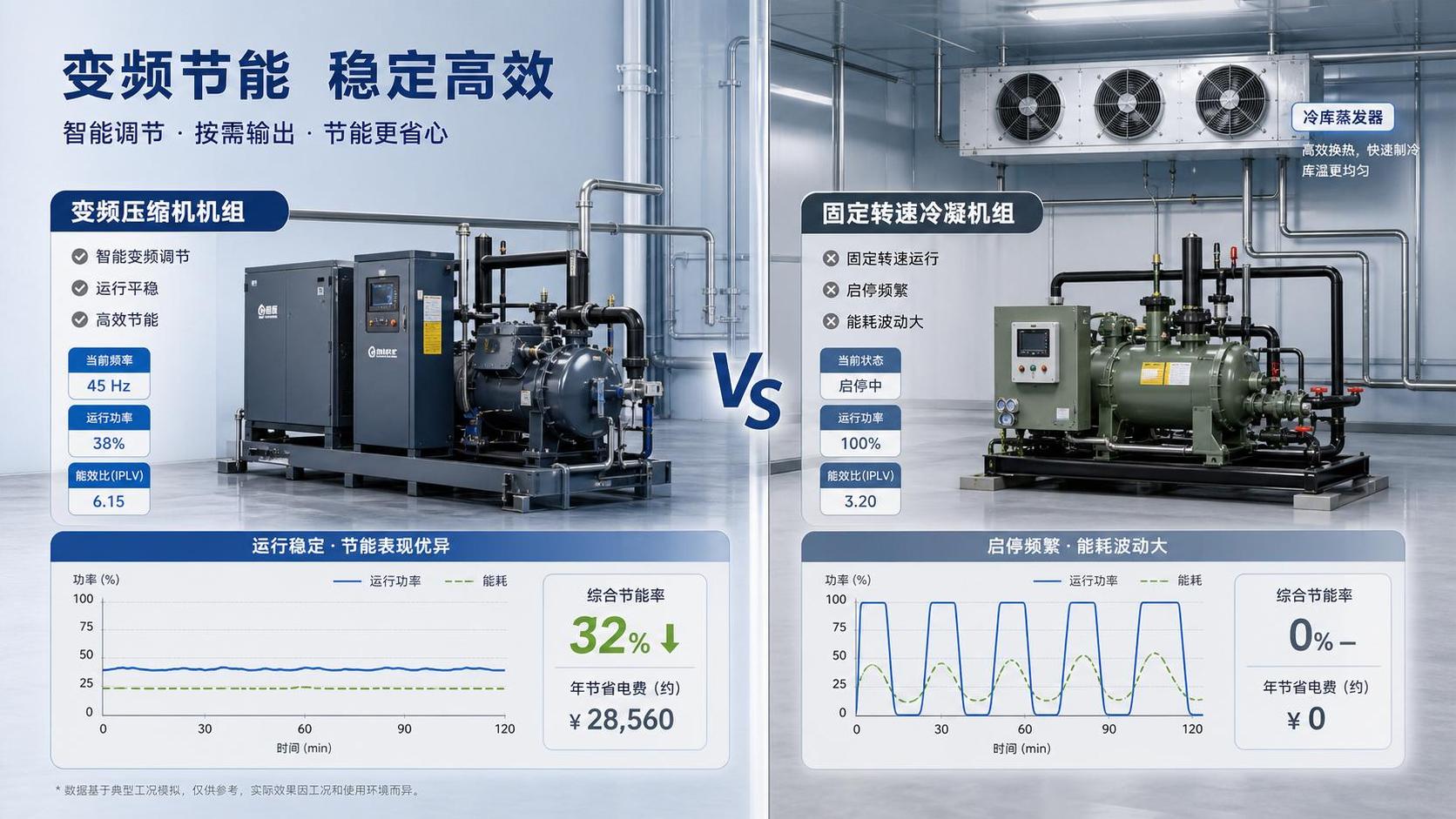
But the relationship is not linear. Bigger is not always better. Oversizing can increase refrigerant charge, footprint, fan power, pumping requirements, or defrost behavior. The right question is whether the exchanger improves whole-system efficiency under the project’s real operating profile. In retail refrigeration, air curtain performance and anti-fog strategies matter. In industrial chillers, part-load control and variable-frequency integration matter. In ultra-low temperature equipment, the heat transfer balance between stages matters even more, because poor matching can erode low-temperature stability.
A responsible supplier should be able to explain where the efficiency gain comes from instead of simply claiming a lower operating cost.
Manufacturing method and exchanger type drive real price gaps
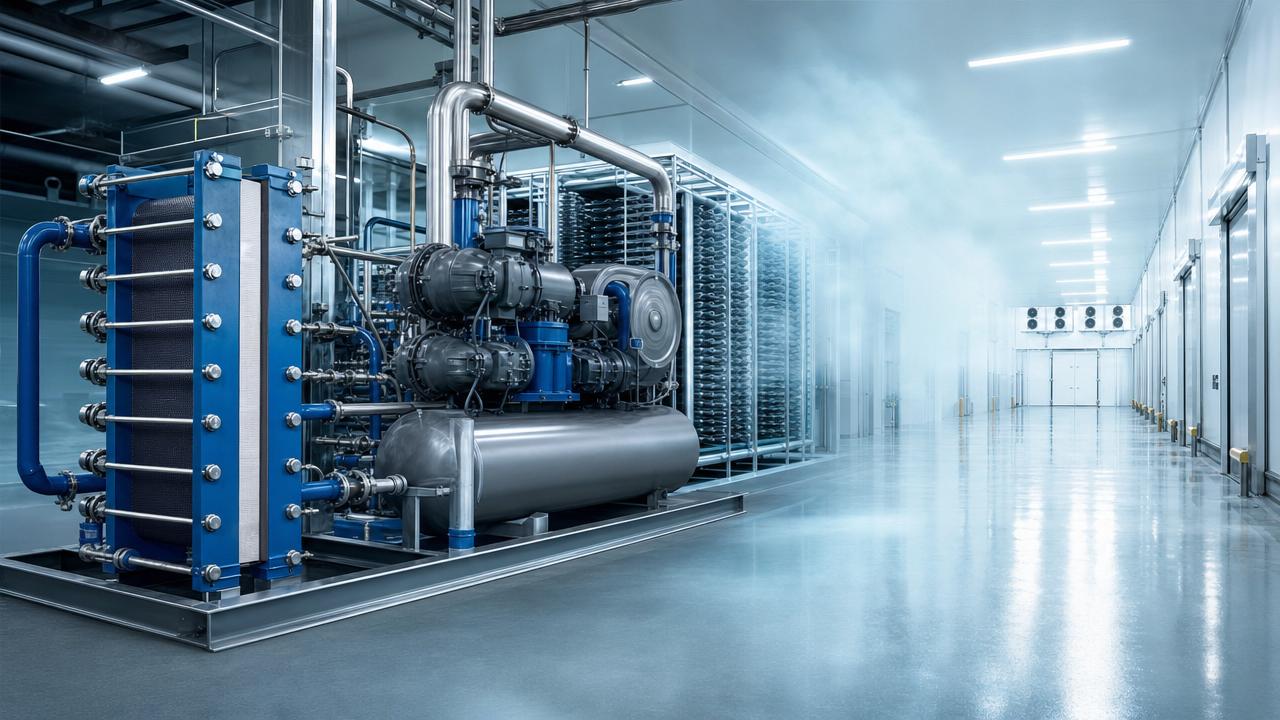
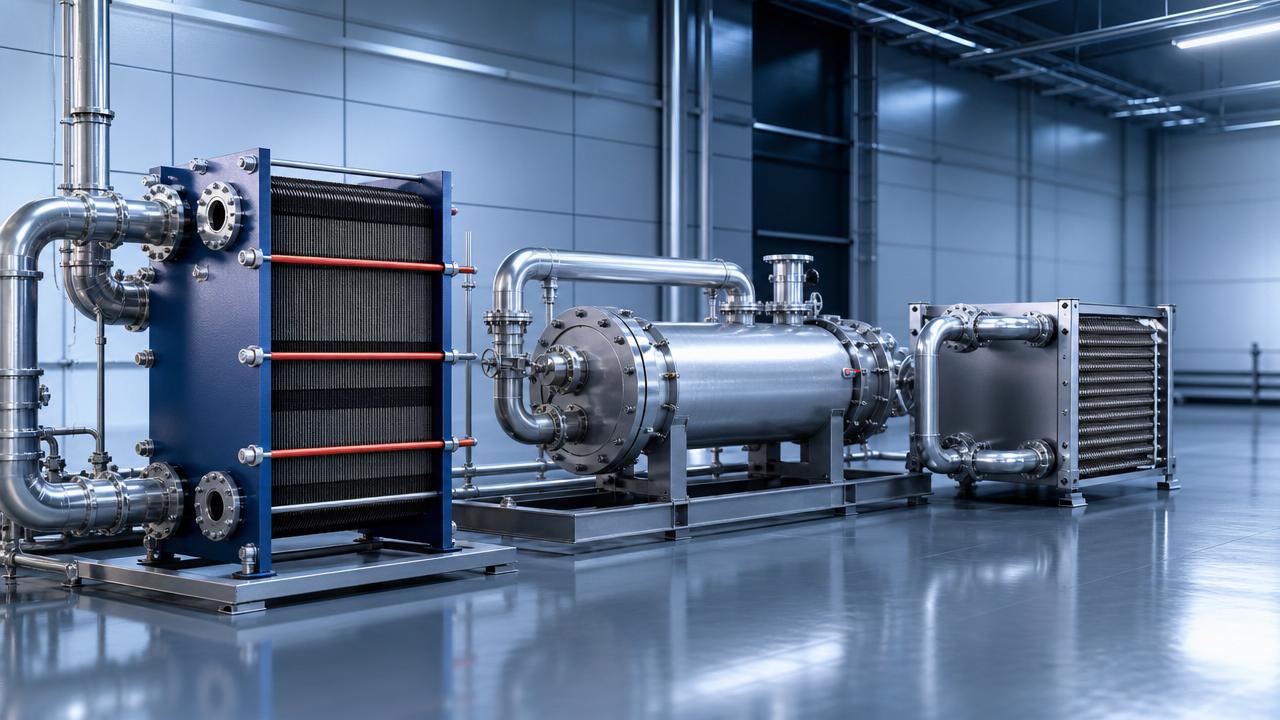
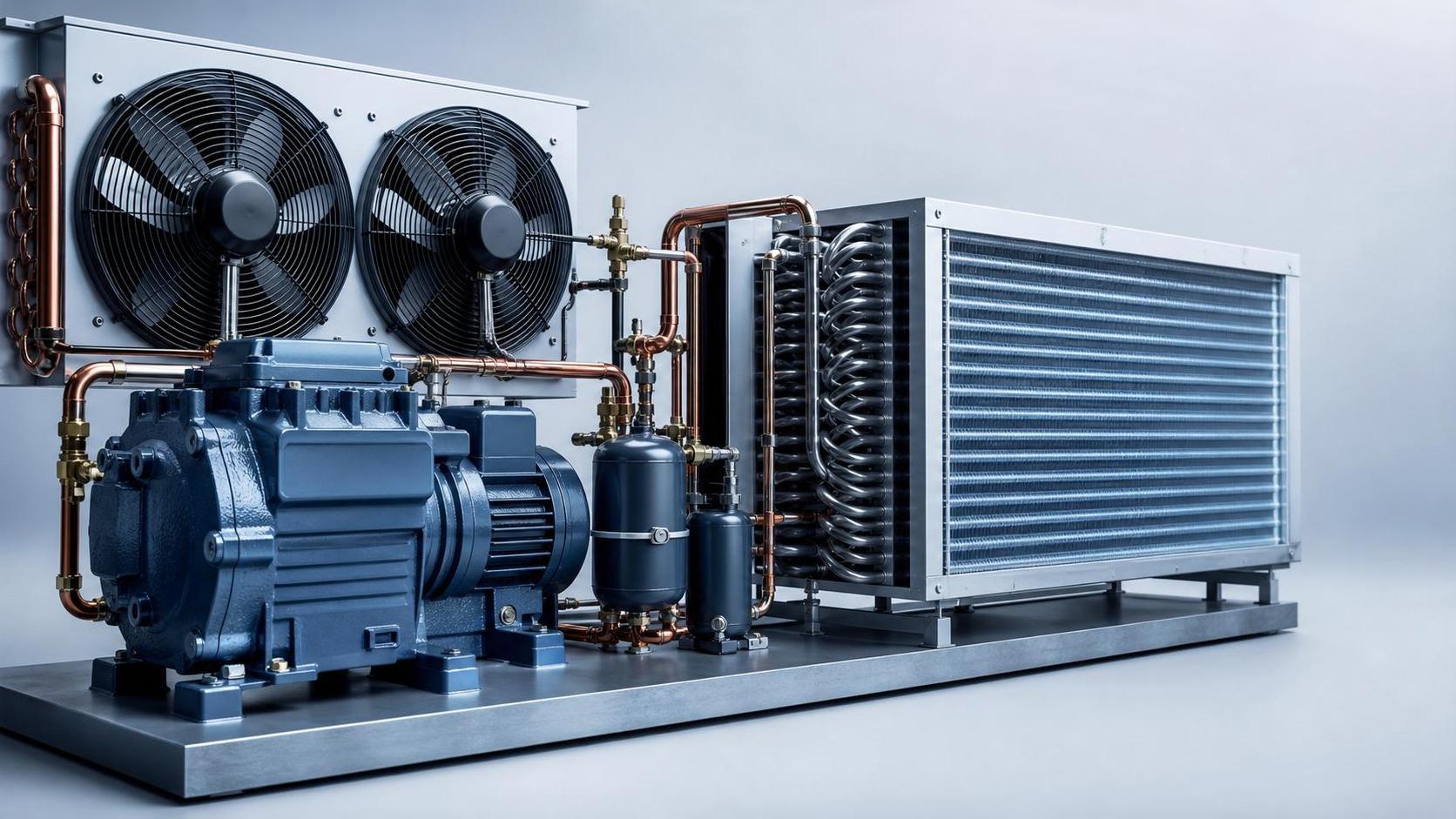
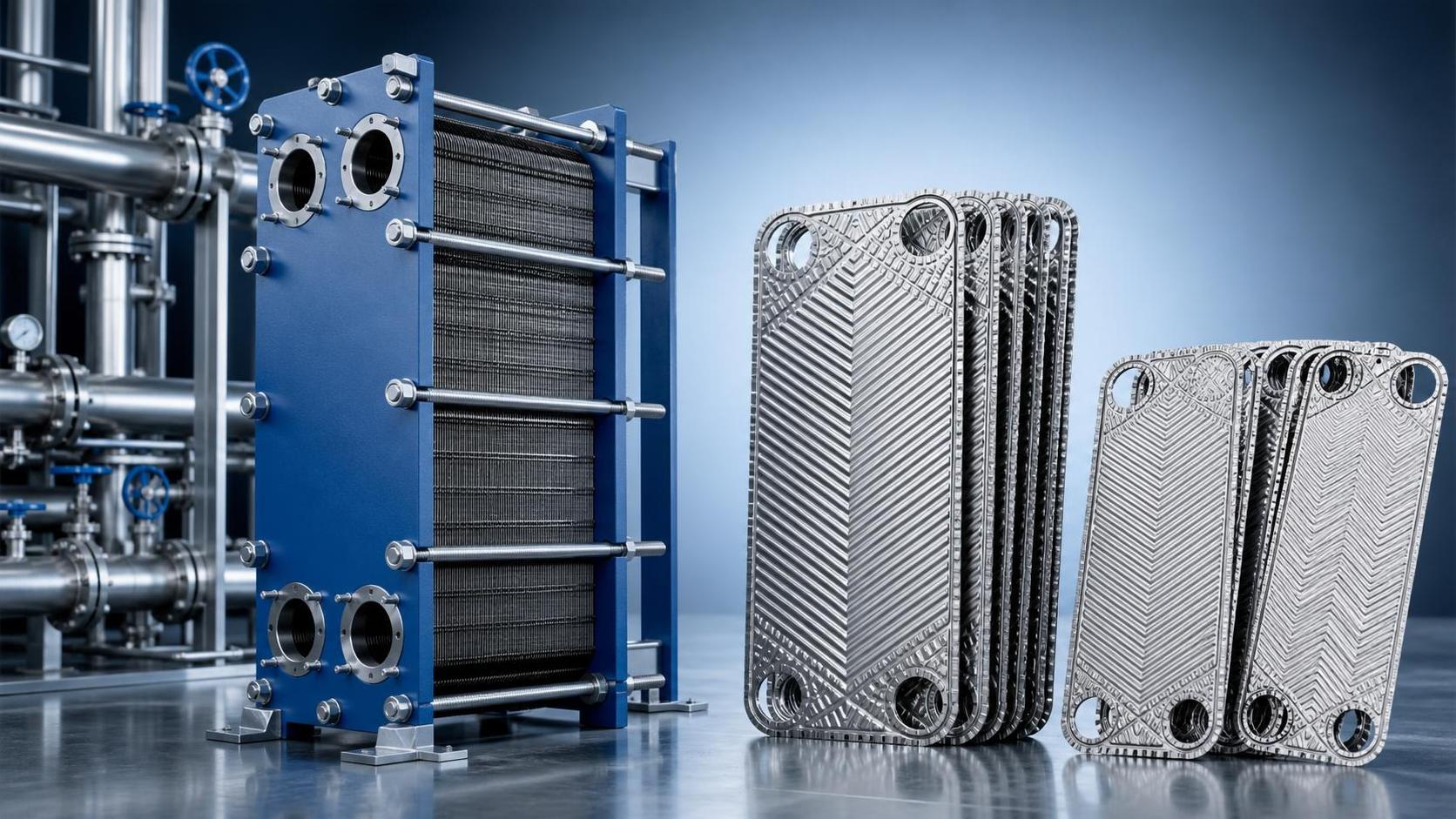
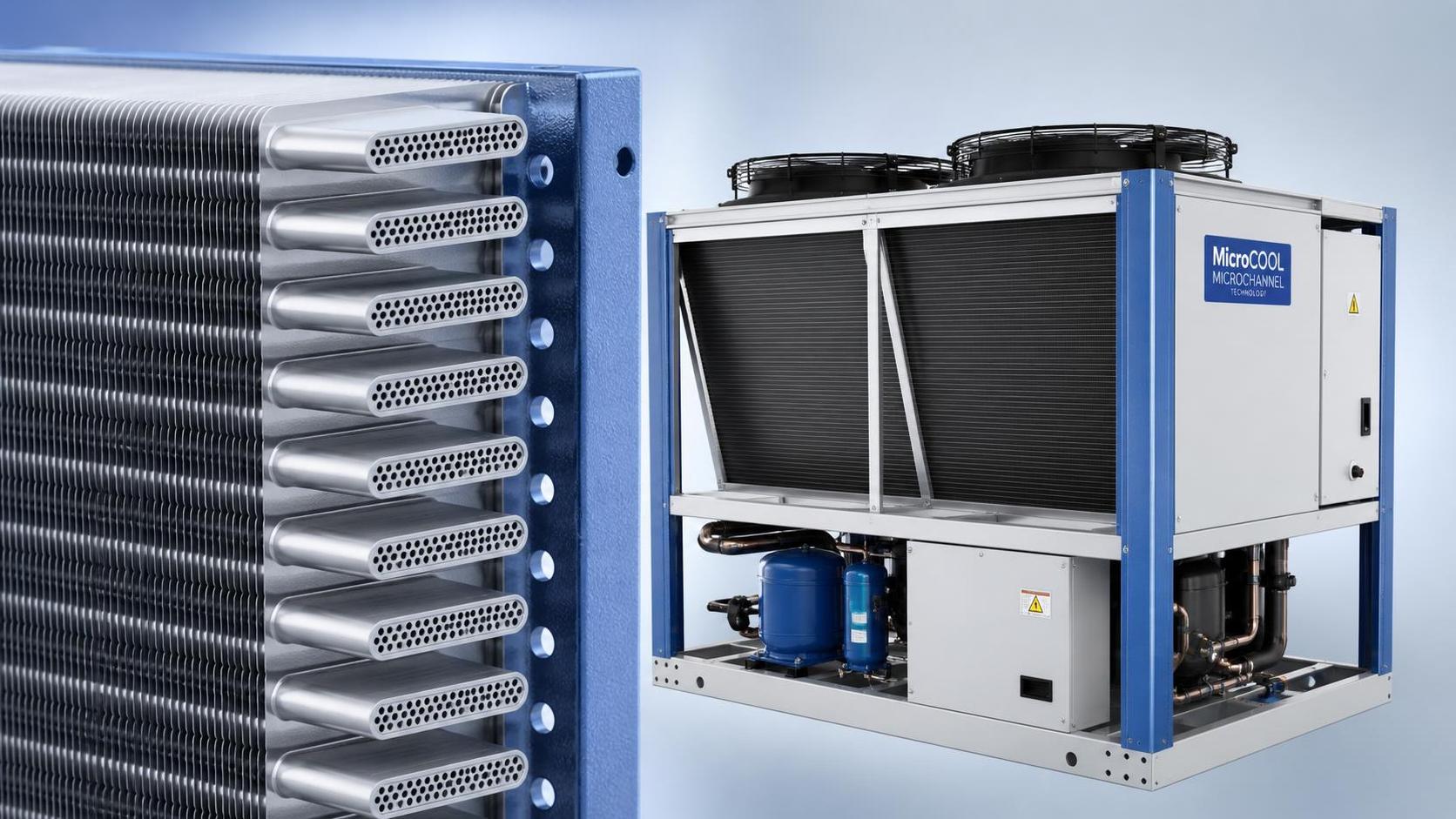
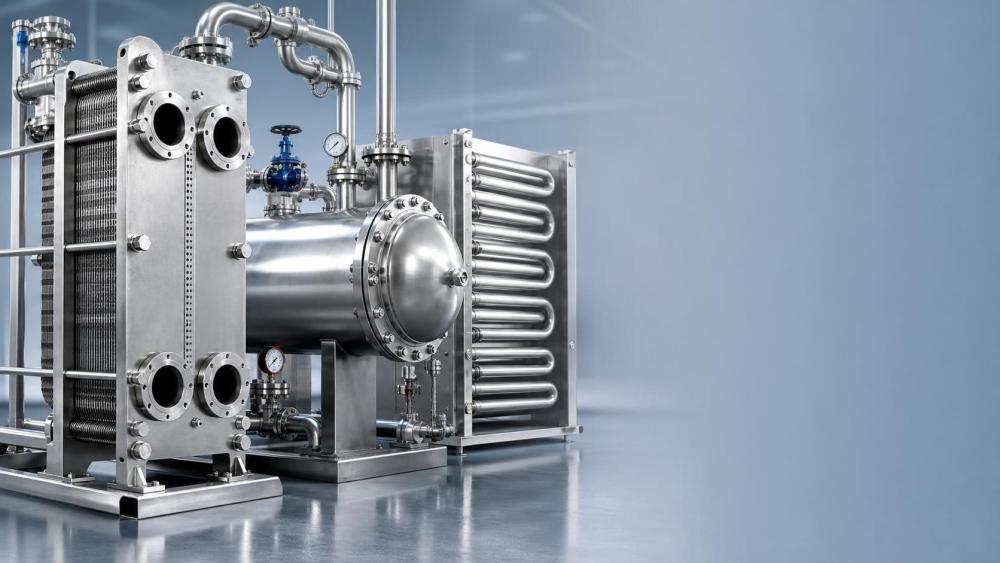
Not all exchanger technologies are priced on the same logic. Plate heat exchangers, shell-and-tube units, microchannel coils, air-cooled finned coils, and specialized cascade condensers all have different manufacturing paths. Brazed plate designs may be compact and efficient, but cleaning options can be limited depending on service conditions. Shell-and-tube units can suit fouling-prone fluids and serviceability needs, but they may require more material and space. Microchannel solutions can reduce refrigerant charge, yet field repair practices and contamination sensitivity need to be understood before specification.
Procurement should not treat these as interchangeable hardware categories. Their cost difference reflects fabrication precision, pressure handling, maintainability, and application fit. In many projects, the more useful comparison is not “Which technology is lowest in price?” but “Which technology creates the lowest cost of stable operation for this duty?”
The installation environment changes the economics
Project location can reshape pricing even before the equipment leaves the factory. High ambient climates, dusty environments, corrosive air, low water quality, offshore exposure, hygiene-sensitive spaces, and seismic or vibration demands all influence design details. A condenser for a desert concrete cooling project does not face the same risk profile as one in a temperate warehouse. A heat exchanger inside a pharmaceutical cold chain process may need a different documentation package and material finish than one in general industrial cooling.
This is one reason broad industry intelligence matters. CCRS follows applications from factory process cooling to fresh retail and deep-cryogenic storage because the pricing logic shifts with the environment. A buyer working across multiple regions should expect local code interpretation, utility conditions, and service network availability to affect final cost.
Maintenance access, cleaning strategy, and downtime risk belong in the quote review
A cheaper exchanger can become expensive if it is hard to clean, hard to isolate, or difficult to replace. This matters in food cold chains, heavy industrial duty, and any operation with tight uptime requirements. Fouling tendency, water treatment reality, access clearance, spare-part lead time, and technician familiarity all shape the ownership cost.
Ask practical questions during evaluation:
- Can the exchanger be cleaned in place, or does it require full removal?
- Are replacement gaskets, plates, fans, or coil sections locally available?
- How does the design behave under partial fouling or variable flow?
- What is the expected service access space around the unit?
- Will maintenance require refrigerant recovery or major shutdown time?
These questions often reveal why one offer is more expensive than another. Sometimes the higher quote simply includes a more realistic answer to maintenance.
Documentation, testing, and compliance also cost money
In international industrial cooling projects, pricing is influenced by what must be documented, tested, and approved. Pressure-related requirements, material traceability, welding records, factory acceptance expectations, refrigerant safety considerations, and export documentation can add noticeable cost. That does not mean the supplier is inflating price; it may mean the project genuinely carries more risk and administrative work.
This becomes especially relevant for systems using natural refrigerants, medical temperature control equipment, or installations entering highly regulated markets. Buyers should verify whether quotation gaps come from different technical scope or from different compliance assumptions. It is common for one supplier to include a fuller documentation package while another prices only the physical hardware.
How procurement teams can compare heat exchange pricing more accurately
A workable comparison framework usually includes five layers: thermal duty, materials, refrigerant and pressure class, maintenance model, and compliance scope. If one of those layers is vague, price comparison becomes noisy.
If a supplier cannot clearly map its price to these points, the bid may still be usable, but the comparison will remain incomplete.
A final point: the cheapest quote may only be cheap because someone excluded risk
Heat exchange technology price in industrial cooling projects is often a reflection of what risk has been designed out, and what risk has been left for the owner. Lower-cost offers sometimes assume cleaner water, lighter duty cycles, less documentation, looser temperature stability, or easier service conditions than the project will actually face.
That is why serious buyers usually spend more time validating assumptions than negotiating line-item discounts. In sectors watched closely by CCRS—from industrial chillers and cold storage systems to commercial ice production and ultra-low temperature refrigeration—the durable savings usually come from correct specification, not from pushing every quote to the lowest visible number.
Before moving to supplier selection, it is worth confirming the operating envelope, refrigerant path, maintenance strategy, and compliance destination market in writing. Once those are clear, heat exchange pricing becomes much easier to judge—and much harder to misread.
Recommended News
 Thermodynamic Tech TrendsTemperature Control Problems That Quietly Ruin Product QualityAnalyst :Prof. Sarah Lin
 Thermodynamic Tech TrendsHow heat exchange technology shapes system reliabilityAnalyst :Prof. Sarah Lin
 Thermodynamic Tech TrendsAus Scientists Break Through Anhydrous Proton-Conducting MembraneAnalyst :Prof. Sarah Lin
 Thermodynamic Tech TrendsHow variable frequency cooling cuts peak energy costsAnalyst :Prof. Sarah Lin
 Thermodynamic Tech TrendsHeat exchange technology flaws that raise operating costsAnalyst :Prof. Sarah Lin
 Thermodynamic Tech TrendsWhat makes eco-friendly cooling practical in daily use?Analyst :Prof. Sarah Lin
 Thermodynamic Tech TrendsWhat heat exchange technology cuts cooling energy wasteAnalyst :Prof. Sarah Lin
 Thermodynamic Tech TrendsLow carbon refrigeration is changing project planningAnalyst :Prof. Sarah Lin
 Thermodynamic Tech TrendsHeat Exchange Technology Is Changing Cooling DesignAnalyst :Prof. Sarah Lin
 Thermodynamic Tech TrendsWhat limits heat exchange efficiency in real systems?Analyst :Prof. Sarah Lin
 Thermodynamic Tech TrendsIndustrial Refrigeration System Selection: Key Capacity, Refrigerant, and Load FactorsAnalyst :Prof. Sarah Lin
 Thermodynamic Tech TrendsVariable Frequency Cooling Selection Guide: How to Match Load Range, COP, and Control StrategyAnalyst :Prof. Sarah Lin
 Thermodynamic Tech TrendsHeat Exchange Technology in Refrigeration: Which Design Improves Capacity and Defrost Efficiency?Analyst :Prof. Sarah Lin
![]() Thermodynamic Tech TrendsMagnetic Bearing Technology Explained: How Oil-Free Compression Improves Chiller EfficiencyAnalyst :Prof. Sarah Lin
Thermodynamic Tech TrendsMagnetic Bearing Technology Explained: How Oil-Free Compression Improves Chiller EfficiencyAnalyst :Prof. Sarah Lin Thermodynamic Tech TrendsVariable Frequency Cooling Explained: How It Improves Refrigeration Efficiency and Load ControlAnalyst :Prof. Sarah Lin
 Thermodynamic Tech TrendsHeat Exchange Efficiency: Which Design Factors Matter Most in Industrial Cooling?Analyst :Prof. Sarah Lin
 Thermodynamic Tech TrendsHeat Exchange Technology Comparison: Plate, Shell-and-Tube, or Microchannel?Analyst :Prof. Sarah Lin
 Thermodynamic Tech TrendsIndustrial Cooling Systems Explained: Which Setup Fits Food, Pharma, and Process Plants?Analyst :Prof. Sarah Lin
 Thermodynamic Tech TrendsVariable Frequency Cooling vs Fixed-Speed Systems: Which Cuts Energy Costs Better?Analyst :Prof. Sarah Lin
 Thermodynamic Tech TrendsTemperature Control Systems Explained: Key Components, Control Logic, and Common UsesAnalyst :Prof. Sarah Lin
 Thermodynamic Tech TrendsHow Heat Exchange Efficiency Affects Compressor Load and System StabilityAnalyst :Prof. Sarah Lin
 Thermodynamic Tech TrendsEnergy Saving Low Carbon Cooling: Which Metrics Actually Matter in System Evaluation?Analyst :Prof. Sarah Lin
 Thermodynamic Tech TrendsHow to Compare a Heat Transfer Technology Manufacturer for Custom Process Cooling ProjectsAnalyst :Prof. Sarah Lin
 Thermodynamic Tech TrendsChoosing an Industrial Cooling Systems Supplier: 7 Evaluation Criteria Before RFQAnalyst :Prof. Sarah Lin
 Thermodynamic Tech TrendsHeat Transfer Technology Air Cooler: Key Design Factors for Stable Cooling PerformanceAnalyst :Prof. Sarah Lin
 Thermodynamic Tech TrendsEnergy Efficient Refrigeration Systems with Heat Recovery: Where the Savings Really Come FromAnalyst :Prof. Sarah Lin
 Thermodynamic Tech TrendsWhat Determines Heat Exchange Technology Price in Industrial Cooling Projects?Analyst :Prof. Sarah Lin
 Thermodynamic Tech TrendsHow to Select Heat Exchange Plates for Corrosion Resistance and Thermal EfficiencyAnalyst :Prof. Sarah Lin
 Thermodynamic Tech TrendsHow Microchannel Heat Exchangers Improve Refrigeration System EfficiencyAnalyst :Prof. Sarah Lin
 Thermodynamic Tech TrendsHeat Transfer Technology for Blast Freezers: Speed, Efficiency, and DesignAnalyst :Prof. Sarah Lin
 Thermodynamic Tech TrendsHow to Size Heat Exchange Systems for Refrigeration Plants at Peak LoadAnalyst :Prof. Sarah Lin
 Thermodynamic Tech TrendsThermodynamic Technologies in Commercial Cooling: Which Heat-Rejection Method Fits?Analyst :Prof. Sarah Lin