Industry News
Curation by industry experts
Hot Articles
- Thermodynamic Tech TrendsHow to Size Heat Exchange Systems for Refrigeration Plants at Peak Load
- Parallel Compressor RacksHow to Size Reciprocating Compressors for Cold Storage Load and Temperature Range
- Flake Ice MachinesHow to Size a Commercial Ice Dispenser for Peak Demand in Foodservice Operations
Popular Tags
How Microchannel Heat Exchangers Improve Refrigeration System Efficiency
Microchannel heat exchangers can improve refrigeration efficiency, but only when the system is designed around their operating limits. Their main advantage is not simply a smaller coil. By using many small refrigerant passages, flat multiport tubes, and closely bonded fins, they can transfer heat with less internal refrigerant volume and, in suitable air-cooled applications, less resistance on the air side. That can reduce compressor lift, fan demand, and total refrigerant charge at the same time.
For a technical evaluation, the useful question is not “Is microchannel more efficient than a fin-and-tube coil?” It is: does the microchannel coil maintain the required condensing or evaporating temperature under the actual refrigerant, ambient, airflow, contamination, and service conditions? Heat exchange efficiency microchannel performance depends on that entire operating envelope.
Why the heat-transfer geometry changes system efficiency
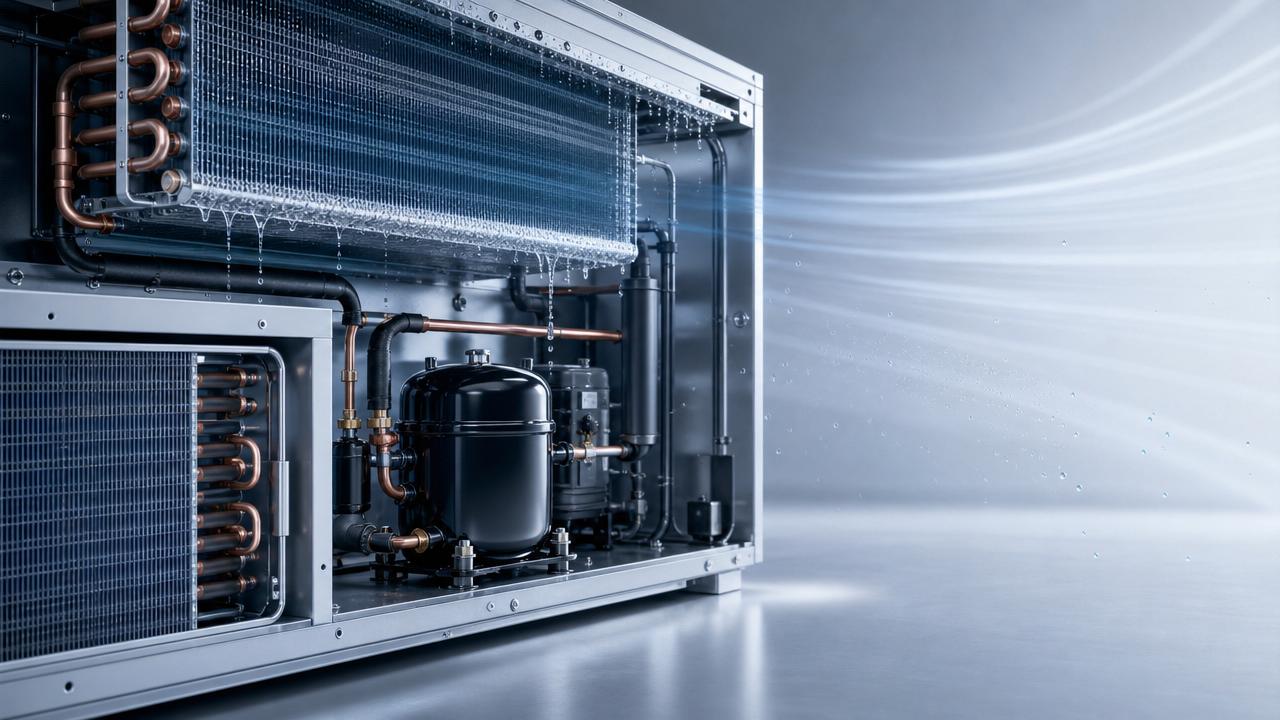
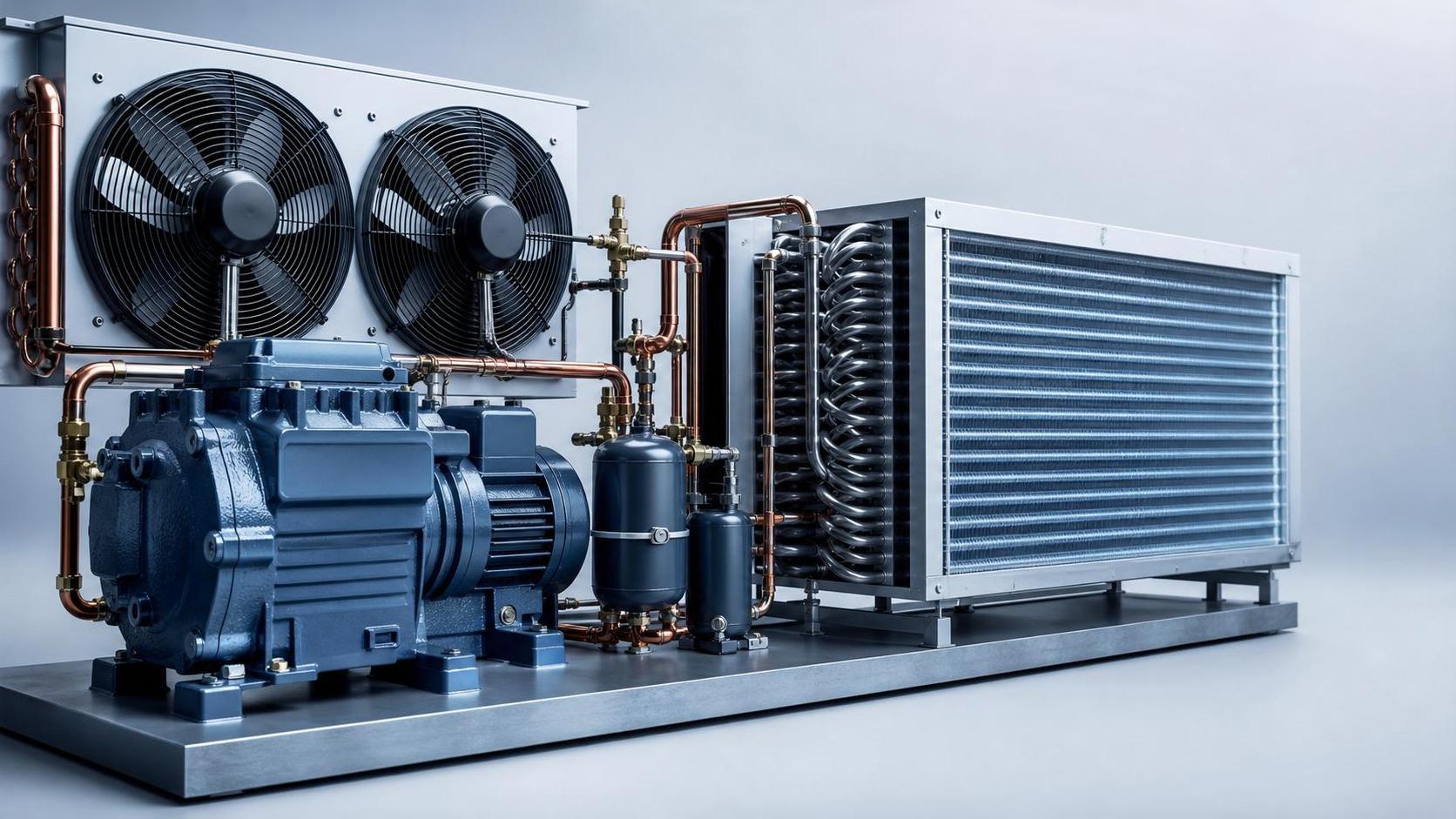
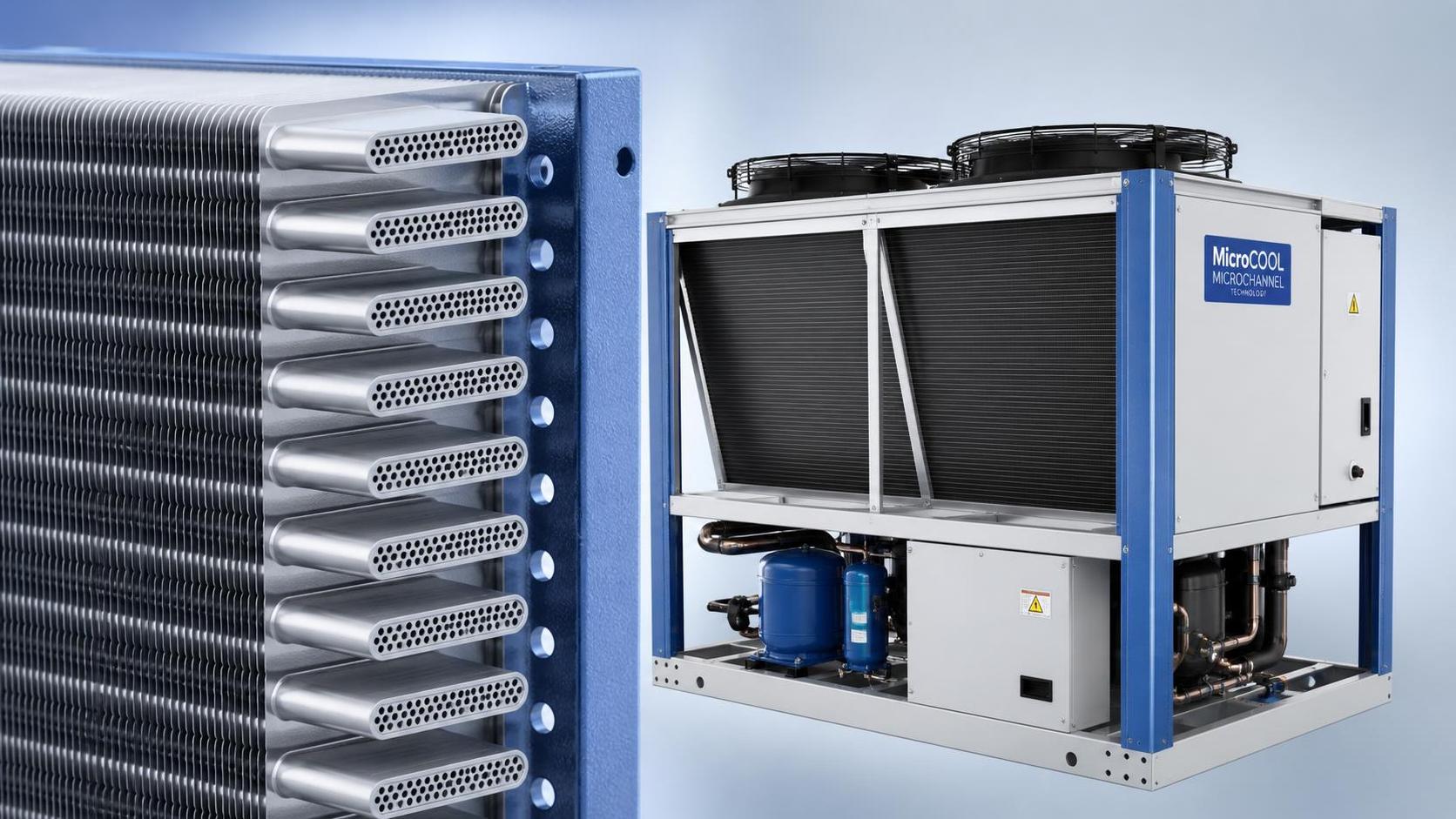
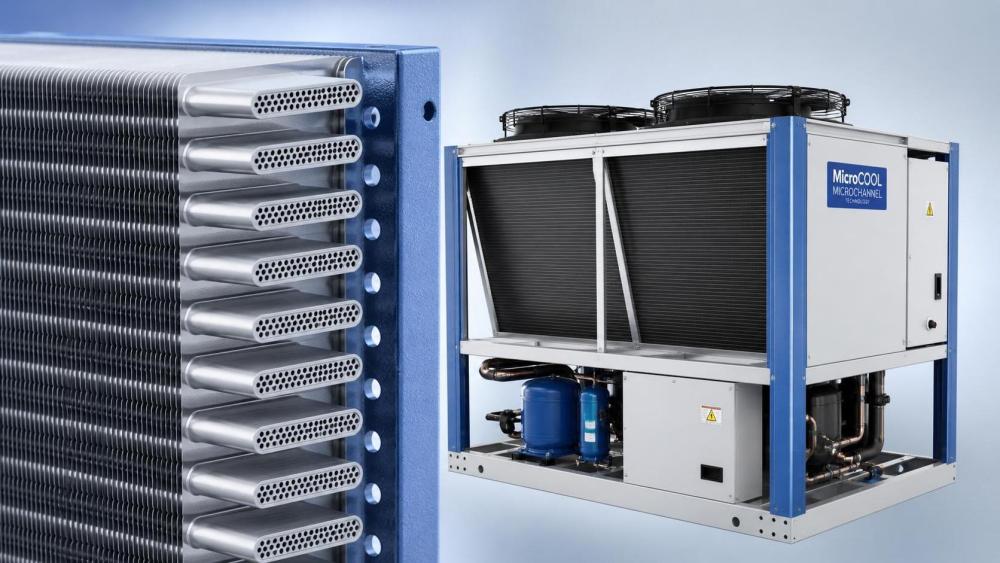
A conventional fin-and-tube coil normally circulates refrigerant through relatively large round tubes connected by return bends. A microchannel heat exchanger uses flattened aluminum tubes containing multiple small parallel ports. Refrigerant passes through these ports while air crosses louvered fins attached to the tube surface.
This construction affects refrigeration performance in several connected ways. The small hydraulic passages create a high surface-area-to-volume relationship, allowing heat to move between refrigerant and tube wall over a compact flow path. The flat tube profile can also present a favorable air-side shape, while louvered fins increase air contact with the metal surface. When correctly sized, the coil can reject or absorb the required heat with a smaller physical footprint and lower refrigerant inventory.
In a condenser, improved heat rejection can allow the refrigerant to condense at a lower saturation temperature. The compressor then works against a smaller pressure difference, which can improve system energy use. In an evaporator, effective heat absorption can support the required suction condition without unnecessarily large temperature differences. The benefit is therefore thermodynamic: the compressor and fans may need less work to deliver the same cooling duty.
However, a compact heat exchanger is not automatically a low-energy heat exchanger. A coil with insufficient face area, poor airflow distribution, or excessive refrigerant-side pressure drop can raise condensing temperature or lower evaporating temperature. Either condition can cancel the expected gain.
Where microchannel designs usually create measurable value
Microchannel technology is particularly relevant where refrigeration equipment is constrained by cabinet depth, rooftop footprint, refrigerant-charge targets, or large quantities of air-cooled condenser capacity. Commercial refrigeration cabinets, condensing units, packaged chillers, heat pumps, and certain ice-making systems can benefit when coil dimensions and airflow are tightly controlled.
Reduced refrigerant charge matters beyond material cost. A lower internal volume can simplify the system response to charge-sensitive refrigerants and can support equipment strategies aimed at reducing the environmental impact of refrigerant leakage. It does not remove the need for correct charge control. Small-volume circuits can be more sensitive to overcharge, undercharge, and uneven distribution between parallel paths.
For factory chillers, the design case is more conditional. Microchannel condensers can be attractive in air-cooled packages where space and fan power are significant constraints. Water-cooled chillers are governed by different heat-rejection conditions, and the selection must compare the complete condenser arrangement rather than assume that a microchannel coil will be superior.
In refrigerated display cabinets, the coil decision is connected to cabinet airflow, defrost behavior, lighting heat load, door or air-curtain performance, and product loading. A high-performing condenser does not compensate for poor evaporator airflow or frequent warm-air infiltration. Technical teams evaluating cabinet upgrades should treat the heat exchanger as part of the refrigeration circuit and the air-management system, not as an isolated component.
Efficiency gains depend on pressure drop and distribution
Heat transfer is only useful when refrigerant can move through the coil without excessive pressure loss. This is one of the most important evaluation points for microchannel heat exchangers. Their small ports improve surface contact, but they also require careful circuit design.
Refrigerant-side pressure drop reduces the pressure available for evaporation or increases the pressure required for condensation. In a direct-expansion evaporator, an excessive drop can lower the local saturation temperature and make capacity less stable. In a condenser, it can increase compressor discharge pressure. The coil must therefore be evaluated with the intended refrigerant, mass flow, circuit length, number of parallel paths, and expected part-load operation.
Distribution is equally important. Parallel microchannel paths do not all receive the same refrigerant flow unless the inlet distributor, header geometry, circuit arrangement, and installation orientation are appropriate. Uneven distribution may leave portions of the heat-transfer surface underused while other paths flood or run too dry. The result can be reduced capacity, unstable superheat, and misleading commissioning data.
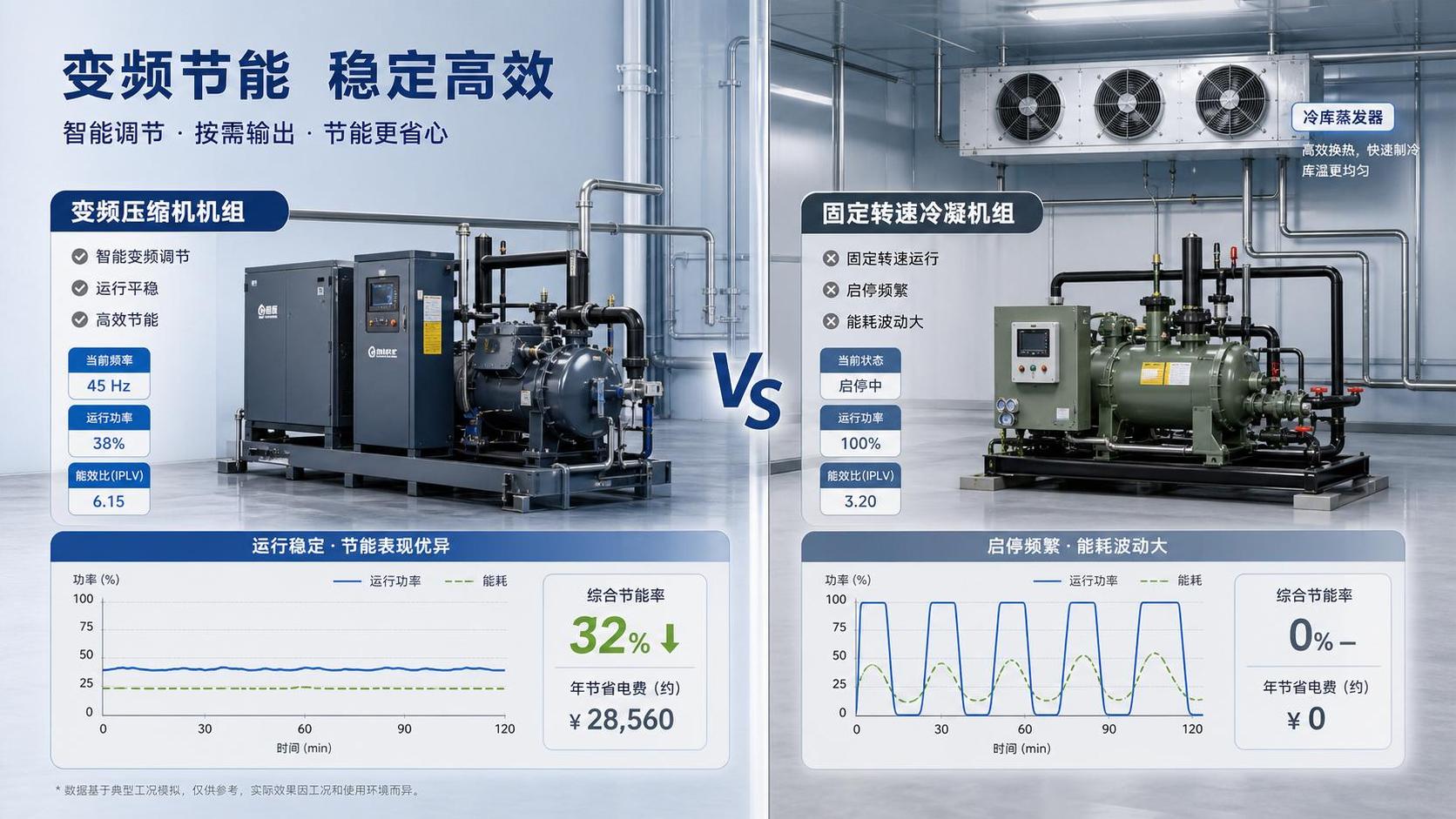
Variable-speed compressors and electronic expansion valves make this issue more visible because refrigerant flow changes substantially across the operating range. A coil that performs well at full load may show poor distribution at low load, during pull-down, or after a defrost cycle. Evaluation should include representative steady-state and transient conditions rather than one nominal rating point.
Air-side performance often decides the real result
Microchannel coils are frequently selected for lower air-side pressure drop and compact frontal area. Those characteristics can reduce fan energy or allow more capacity within a fixed enclosure. Yet the actual result depends on the complete air path: fan selection, shroud design, coil face velocity, bypass leakage, recirculation of hot condenser air, and fouling exposure.
A coil installed close to an obstruction may experience uneven airflow. Outdoor condensers may draw hot discharge air back into the inlet. In a cold-room condensing unit, lint, dust, grease, salt aerosols, or airborne debris may accumulate on the fin surface. A low initial pressure drop does not protect the system from poor maintenance access.
Microchannel fins can be closely spaced and mechanically delicate compared with some conventional coils. They should not be cleaned aggressively with unsuitable tools or excessive water pressure. Flattened fins and embedded debris restrict airflow, increasing condensing temperature and fan load. Selection should include an inspection of cleaning method, wash-water quality, drainage, coil access, and the local contamination profile.
Material compatibility and corrosion cannot be treated as secondary details
Many microchannel heat exchangers are aluminum assemblies. Aluminum supports light weight and effective heat transfer, but its corrosion behavior differs from copper-tube, aluminum-fin coils. Coastal air, industrial chemicals, cleaning agents, standing water, and galvanic contact with dissimilar metals can shorten coil life if not addressed at the equipment-design stage.
A coated coil may be appropriate in a corrosive environment, but coating must be considered as part of the thermal and maintenance design. A coating that protects the surface but traps contamination or is damaged during cleaning creates a different failure path. Mounting hardware, condensate pan materials, electrical grounding, and nearby metals also deserve review because corrosion risk is often created at interfaces rather than across the broad coil face.
Repairability is another practical boundary. A conventional copper-tube coil may sometimes be repaired in the field. Microchannel coils are commonly more difficult to repair reliably after damage or leakage and may require replacement. That does not make them unsuitable; it changes lifecycle planning. Sites with harsh handling conditions, limited parts availability, or long maintenance response times should include replacement logistics in the technical decision.
Do not assess a coil by capacity alone
A supplier capacity figure is only meaningful when the test conditions match the equipment duty. Comparing coils by nominal capacity without matching air temperature, air volume, entering refrigerant condition, superheat, subcooling, refrigerant type, and fouling assumption is a common procurement error.
This comparison also prevents a narrow focus on refrigerant charge. Lower charge can be beneficial, particularly where charge management and low-carbon refrigerant transition are active design considerations, but it is not a substitute for stable evaporator feeding, suitable oil circulation, or robust leakage detection and service procedures.
Different refrigeration applications need different judgments
Air-cooled commercial condensing units are often strong candidates because cabinet and rooftop space are limited, ambient conditions can be demanding, and the reduction in refrigerant volume may be useful. The priority is maintaining condensing performance during high ambient operation and ensuring the coil remains clean enough to preserve airflow.
Industrial air-cooled chillers require a broader review. Load variation, high process-water temperatures, fan control, and potential fouling should be evaluated together. For applications such as laser cooling or injection molding, process stability can be more valuable than a small improvement at a single design point. The selected coil must support stable leaving-water temperature under realistic load transitions.
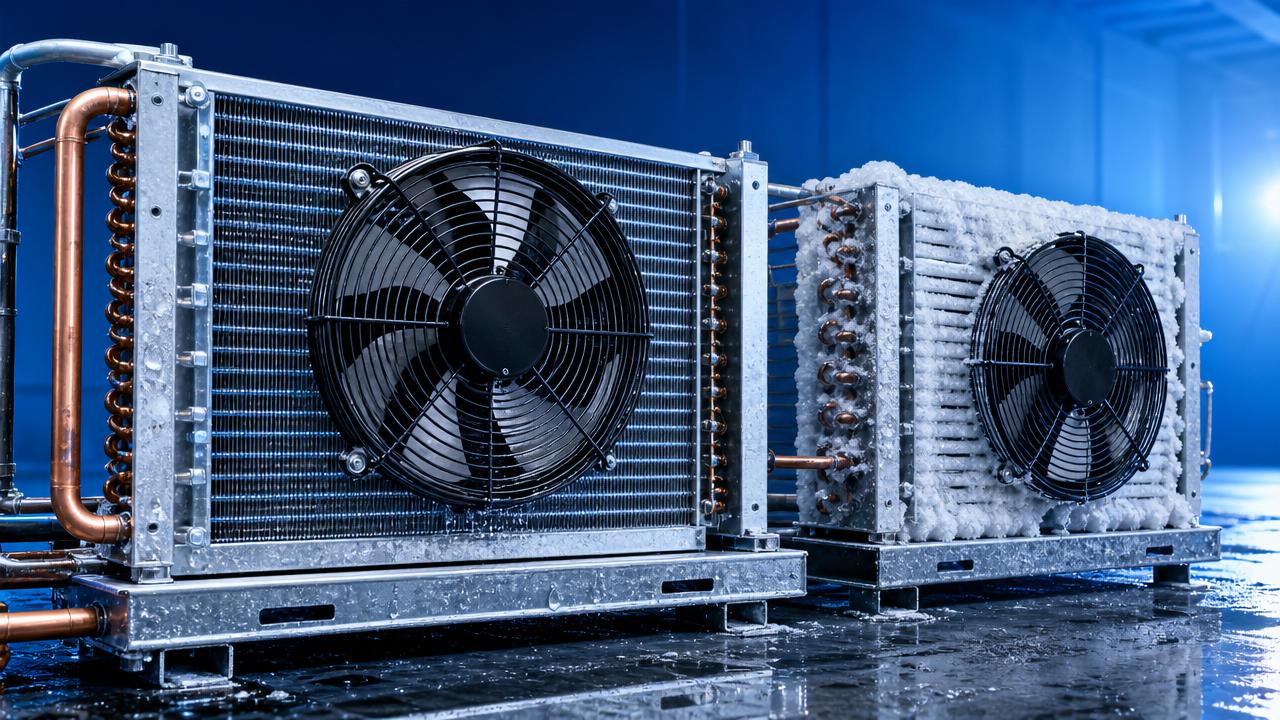
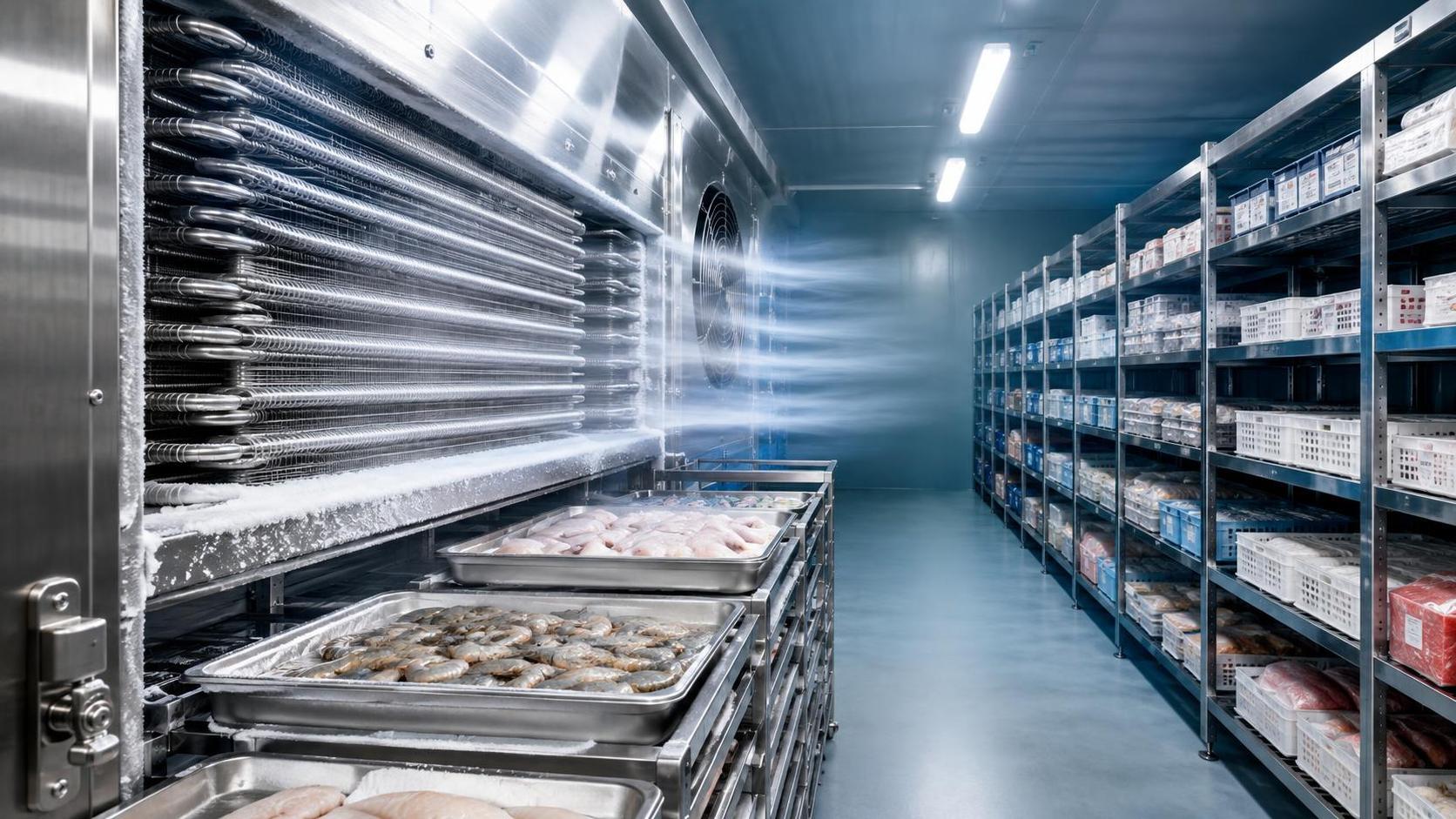
Cold storage systems place greater emphasis on reliability at low evaporating temperatures and on defrost interaction. Microchannel evaporators may be appropriate in selected equipment, but frost accumulation, drain-pan behavior, defrost heat distribution, and airflow recovery require close attention. A compact coil with reduced free airflow area can lose performance rapidly if frost management is not well matched to the duty cycle.
Ultra-low-temperature and cascade systems should be approached cautiously. These systems involve narrow operating margins, multiple refrigeration stages, and sensitive control relationships. A microchannel component may be useful in a particular heat-rejection or cascade-condenser role, but the decision should follow a full system analysis rather than a general efficiency claim.
A practical selection sequence
Technical evaluators can avoid most poor matches by establishing the operating boundary before comparing coil constructions.
- Define the required cooling or heat-rejection duty across ambient, load, and part-load conditions.
- Map the refrigerant circuit, including expected pressure drop, flow distribution, charge range, and oil-management requirements.
- Model or test the complete air path, not only the coil, including fan power, bypass, and discharge-air recirculation.
- Assess fouling, corrosion, cleaning access, and field replacement constraints at the intended site.
- Review controls at startup, low load, defrost, and abnormal airflow conditions.
- Compare lifecycle performance using retained capacity and service practicality, not initial capacity alone.
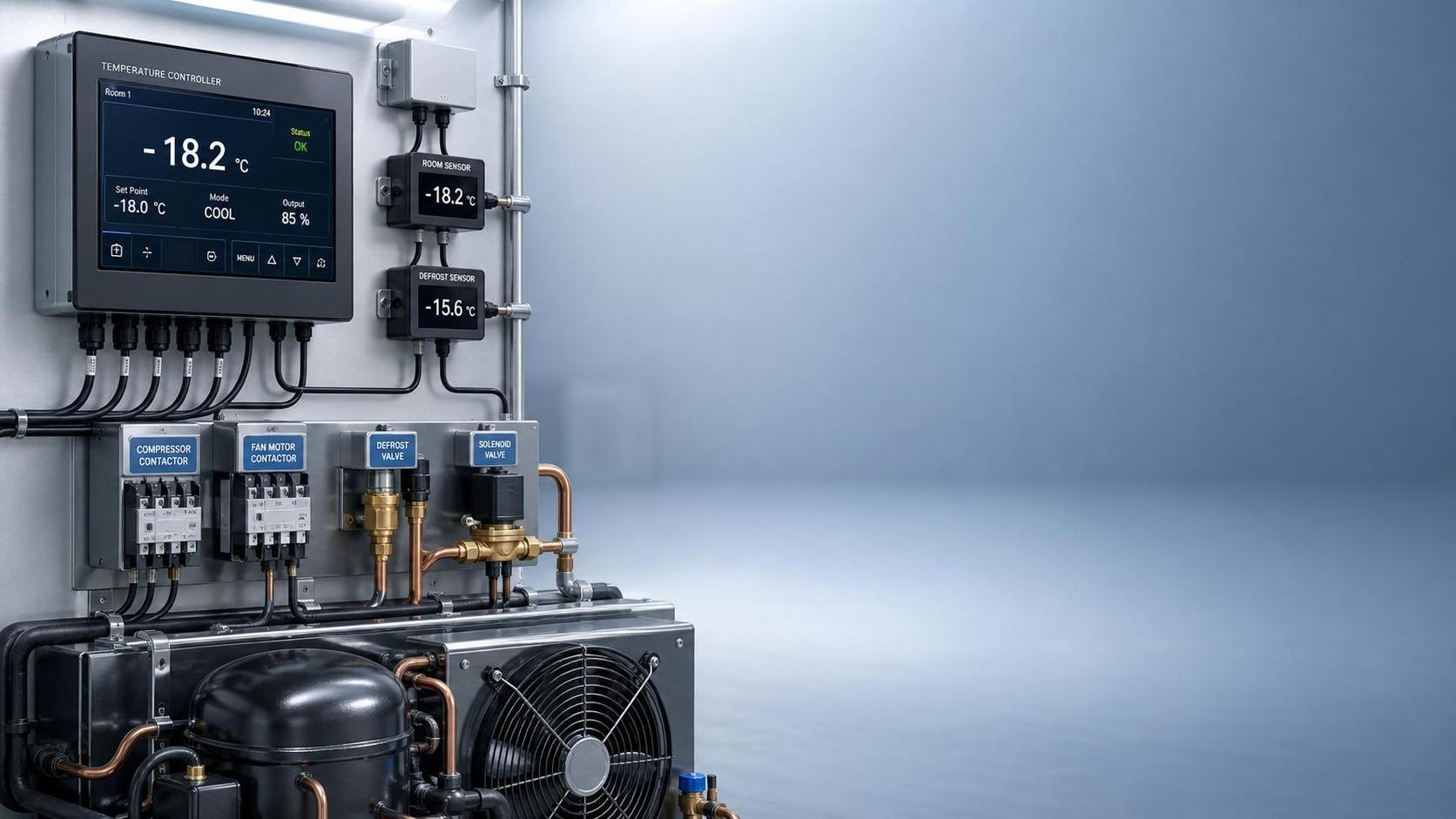
For teams assessing commercial cold-chain equipment, this is where an intelligence-led view is useful: coil selection needs to align with refrigerant strategy, digital temperature control, compressor behavior, and the operating profile of the cabinet, cold room, chiller, or ice-making system. A component-level improvement becomes a system-level efficiency gain only when these conditions are coordinated.
When a conventional coil may still be the better choice
Microchannel is not the default answer for every refrigeration retrofit. A conventional fin-and-tube coil can remain appropriate where field repairability is critical, corrosion exposure is difficult to control, the existing circuit architecture cannot be redesigned for proper refrigerant distribution, or the available maintenance process is not suitable for delicate louvered fins.
It may also be the lower-risk option when a replacement must match an existing unit without changes to controls, fans, piping, or cabinet airflow. Installing a more compact coil into a system designed around a different coil geometry can create unforeseen fan operating points and refrigerant-control problems. In retrofit work, physical fit is not evidence of thermodynamic compatibility.
The strongest case for a microchannel heat exchanger is therefore a system-level one: it can deliver higher heat-transfer effectiveness within a compact package, lower refrigerant volume, and potentially lower air-moving energy. The result depends on disciplined matching of circuit design, airflow, controls, environmental exposure, and maintenance practice. That is the standard by which the technology should be evaluated.
Recommended News
 Thermodynamic Tech TrendsTemperature Control Problems That Quietly Ruin Product QualityAnalyst :Prof. Sarah Lin
 Thermodynamic Tech TrendsHow heat exchange technology shapes system reliabilityAnalyst :Prof. Sarah Lin
 Thermodynamic Tech TrendsAus Scientists Break Through Anhydrous Proton-Conducting MembraneAnalyst :Prof. Sarah Lin
 Thermodynamic Tech TrendsHow variable frequency cooling cuts peak energy costsAnalyst :Prof. Sarah Lin
 Thermodynamic Tech TrendsHeat exchange technology flaws that raise operating costsAnalyst :Prof. Sarah Lin
 Thermodynamic Tech TrendsWhat makes eco-friendly cooling practical in daily use?Analyst :Prof. Sarah Lin
 Thermodynamic Tech TrendsWhat heat exchange technology cuts cooling energy wasteAnalyst :Prof. Sarah Lin
 Thermodynamic Tech TrendsLow carbon refrigeration is changing project planningAnalyst :Prof. Sarah Lin
 Thermodynamic Tech TrendsHeat Exchange Technology Is Changing Cooling DesignAnalyst :Prof. Sarah Lin
 Thermodynamic Tech TrendsWhat limits heat exchange efficiency in real systems?Analyst :Prof. Sarah Lin
 Thermodynamic Tech TrendsIndustrial Refrigeration System Selection: Key Capacity, Refrigerant, and Load FactorsAnalyst :Prof. Sarah Lin
 Thermodynamic Tech TrendsVariable Frequency Cooling Selection Guide: How to Match Load Range, COP, and Control StrategyAnalyst :Prof. Sarah Lin
 Thermodynamic Tech TrendsHeat Exchange Technology in Refrigeration: Which Design Improves Capacity and Defrost Efficiency?Analyst :Prof. Sarah Lin
![]() Thermodynamic Tech TrendsMagnetic Bearing Technology Explained: How Oil-Free Compression Improves Chiller EfficiencyAnalyst :Prof. Sarah Lin
Thermodynamic Tech TrendsMagnetic Bearing Technology Explained: How Oil-Free Compression Improves Chiller EfficiencyAnalyst :Prof. Sarah Lin Thermodynamic Tech TrendsVariable Frequency Cooling Explained: How It Improves Refrigeration Efficiency and Load ControlAnalyst :Prof. Sarah Lin
 Thermodynamic Tech TrendsHeat Exchange Efficiency: Which Design Factors Matter Most in Industrial Cooling?Analyst :Prof. Sarah Lin
 Thermodynamic Tech TrendsHeat Exchange Technology Comparison: Plate, Shell-and-Tube, or Microchannel?Analyst :Prof. Sarah Lin
 Thermodynamic Tech TrendsIndustrial Cooling Systems Explained: Which Setup Fits Food, Pharma, and Process Plants?Analyst :Prof. Sarah Lin
 Thermodynamic Tech TrendsVariable Frequency Cooling vs Fixed-Speed Systems: Which Cuts Energy Costs Better?Analyst :Prof. Sarah Lin
 Thermodynamic Tech TrendsTemperature Control Systems Explained: Key Components, Control Logic, and Common UsesAnalyst :Prof. Sarah Lin
 Thermodynamic Tech TrendsHow Heat Exchange Efficiency Affects Compressor Load and System StabilityAnalyst :Prof. Sarah Lin
 Thermodynamic Tech TrendsEnergy Saving Low Carbon Cooling: Which Metrics Actually Matter in System Evaluation?Analyst :Prof. Sarah Lin
 Thermodynamic Tech TrendsHow to Compare a Heat Transfer Technology Manufacturer for Custom Process Cooling ProjectsAnalyst :Prof. Sarah Lin
 Thermodynamic Tech TrendsChoosing an Industrial Cooling Systems Supplier: 7 Evaluation Criteria Before RFQAnalyst :Prof. Sarah Lin
 Thermodynamic Tech TrendsHeat Transfer Technology Air Cooler: Key Design Factors for Stable Cooling PerformanceAnalyst :Prof. Sarah Lin
 Thermodynamic Tech TrendsEnergy Efficient Refrigeration Systems with Heat Recovery: Where the Savings Really Come FromAnalyst :Prof. Sarah Lin
 Thermodynamic Tech TrendsWhat Determines Heat Exchange Technology Price in Industrial Cooling Projects?Analyst :Prof. Sarah Lin
 Thermodynamic Tech TrendsHow to Select Heat Exchange Plates for Corrosion Resistance and Thermal EfficiencyAnalyst :Prof. Sarah Lin
 Thermodynamic Tech TrendsHow Microchannel Heat Exchangers Improve Refrigeration System EfficiencyAnalyst :Prof. Sarah Lin
 Thermodynamic Tech TrendsHeat Transfer Technology for Blast Freezers: Speed, Efficiency, and DesignAnalyst :Prof. Sarah Lin
 Thermodynamic Tech TrendsHow to Size Heat Exchange Systems for Refrigeration Plants at Peak LoadAnalyst :Prof. Sarah Lin