Industry News
Curation by industry experts
Hot Articles
- Thermodynamic Tech TrendsHow to Size Heat Exchange Systems for Refrigeration Plants at Peak Load
- Parallel Compressor RacksHow to Size Reciprocating Compressors for Cold Storage Load and Temperature Range
- Flake Ice MachinesHow to Size a Commercial Ice Dispenser for Peak Demand in Foodservice Operations
Popular Tags
How eco-friendly refrigeration cuts compliance risk
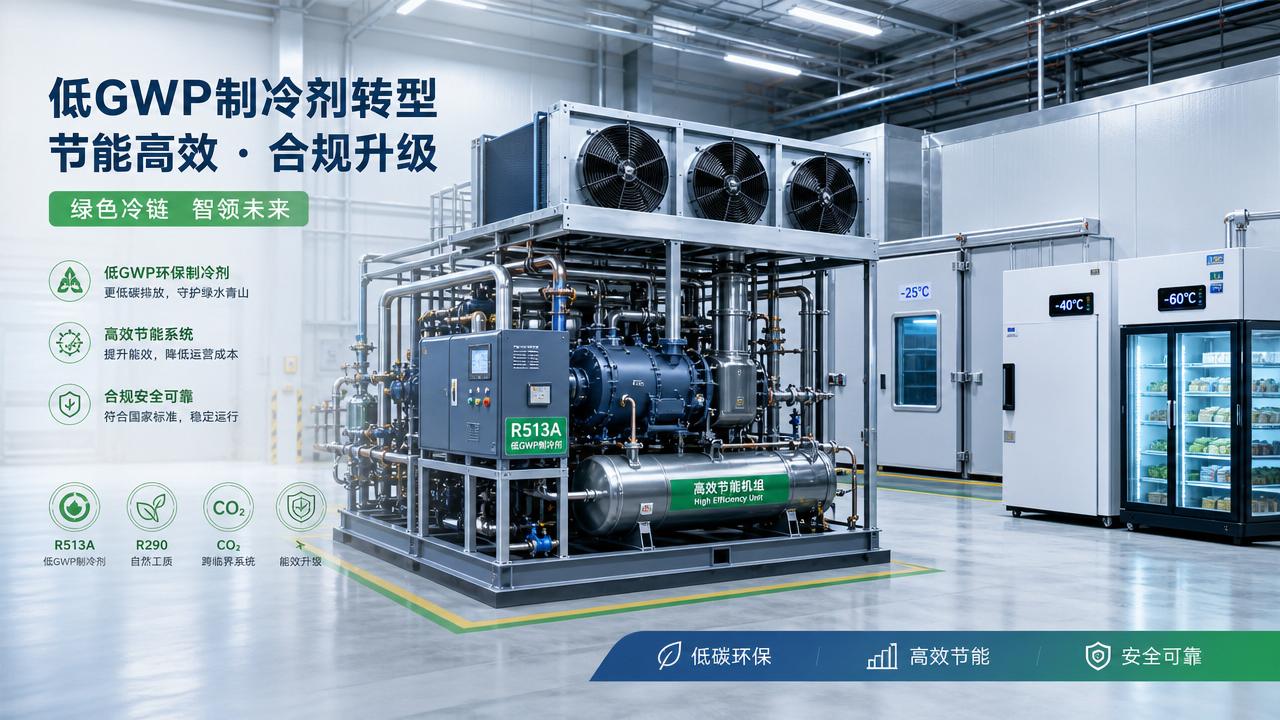
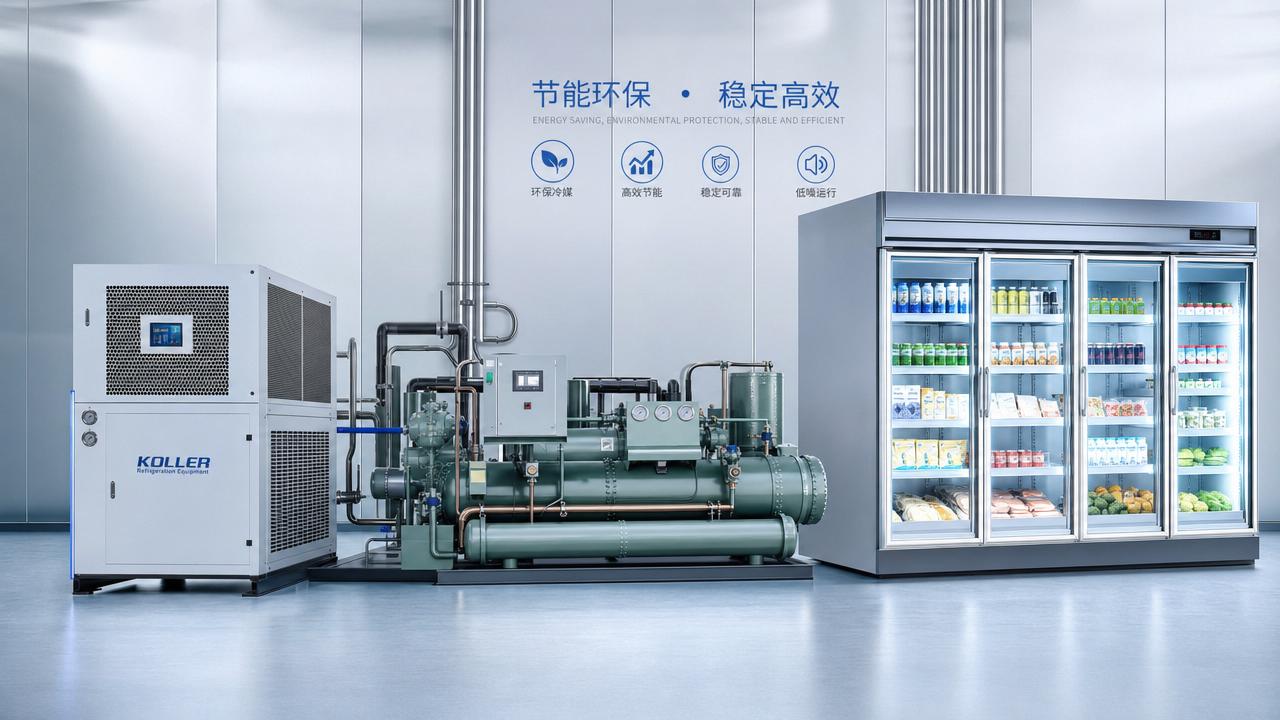
As environmental rules tighten and refrigerant standards shift worldwide, eco-friendly refrigeration is becoming a strategic tool for business resilience. It is no longer only a sustainability upgrade. In cold storage, industrial cooling, food retail, and medical deep-freezing, system choices now affect compliance exposure, export continuity, insurance confidence, and lifecycle cost control.
For businesses operating across borders, refrigerant decisions sit at the intersection of regulation, engineering, and risk management. A lower-impact system can reduce exposure to F-Gas restrictions, carbon reporting pressure, leak liabilities, and retrofit disruption. That is why eco-friendly refrigeration now matters as much to legal readiness as it does to energy performance.
Why a checklist approach reduces compliance risk
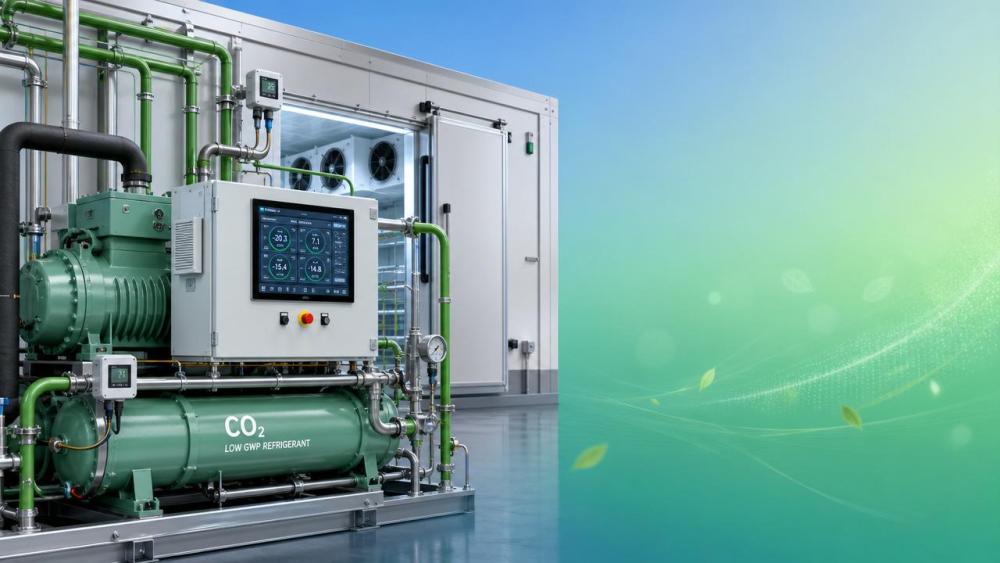
Compliance failures rarely come from one dramatic mistake. They usually build through overlooked refrigerant phase-down rules, incomplete documentation, poor leak controls, and equipment selections that age badly under new standards.
A checklist approach makes eco-friendly refrigeration practical. It helps compare natural refrigerants, HFO-based blends, containment requirements, energy efficiency, service access, and future retrofit pathways before capital is locked in.
This is especially relevant in the broad commercial refrigeration landscape covered by CCRS, where industrial chillers, cold storage compressors, ice systems, display cabinets, and ultra-low temperature equipment all face different technical and regulatory triggers.
Core checklist for eco-friendly refrigeration decisions
- Map all target markets first, then verify each region’s refrigerant bans, GWP thresholds, labeling duties, and servicing restrictions before selecting any cooling architecture.
- Prioritize low-GWP refrigerants with a realistic service ecosystem, including technician training, spare parts access, safety procedures, and approved component availability.
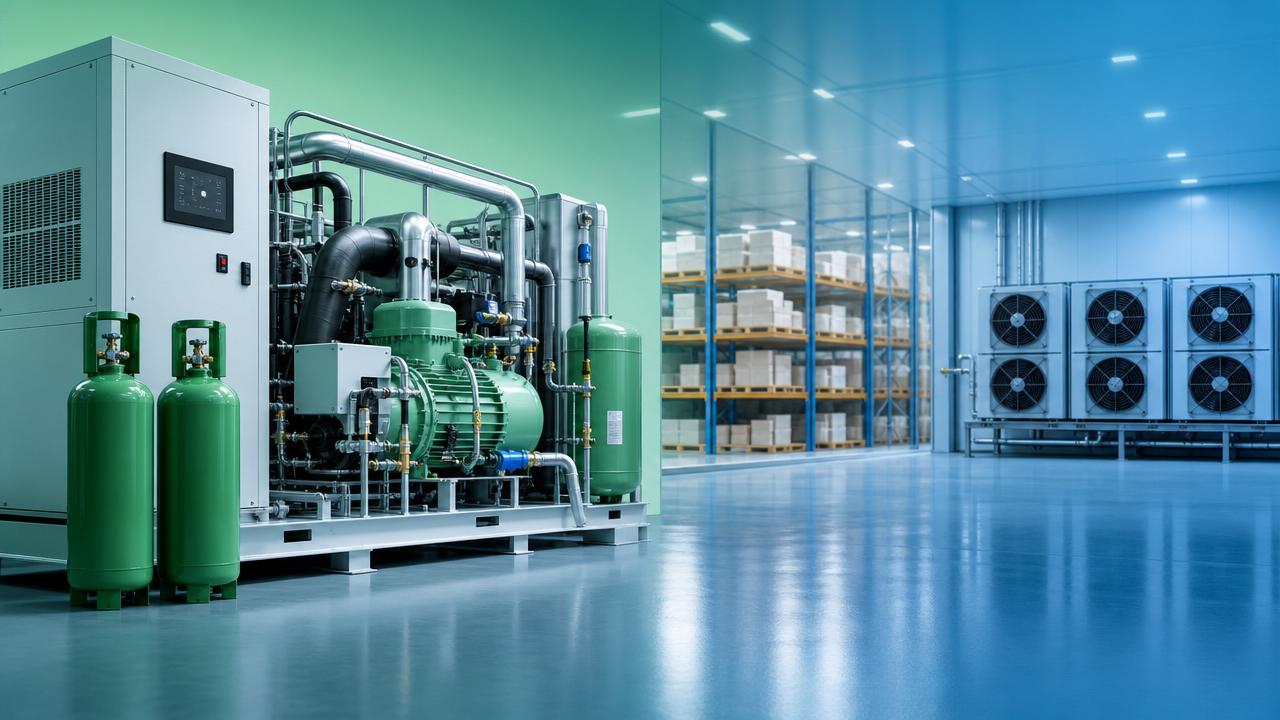
- Check whether the proposed system uses CO2, ammonia, hydrocarbons, or HFO blends, and match that choice to facility ventilation, charge limits, and hazard controls.
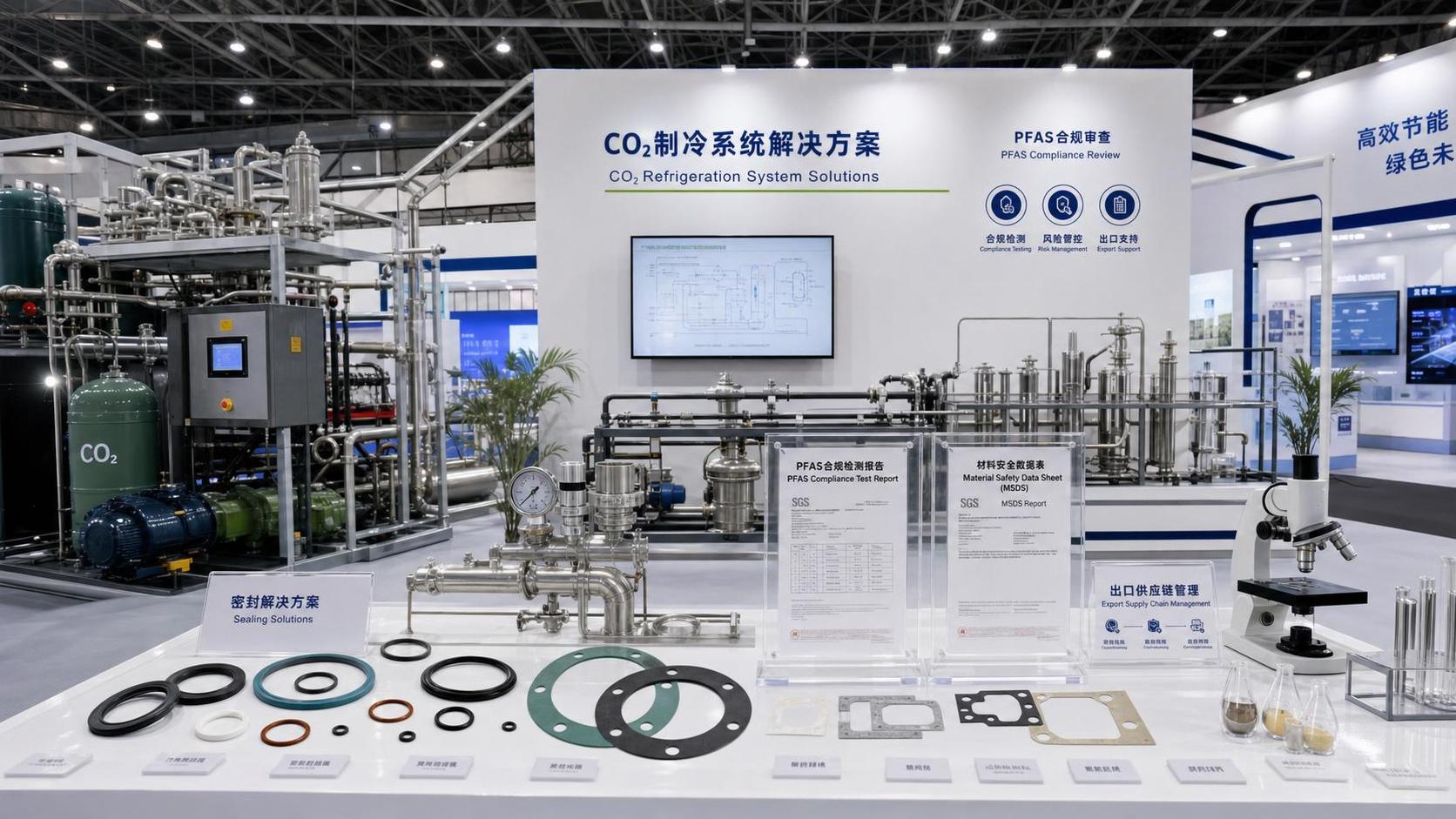
- Review full equipment documentation, including refrigerant type, leakage rate targets, pressure ratings, test records, and declarations needed for customs or audits.
- Compare seasonal energy performance, not only nameplate efficiency, because weak part-load control can increase emissions and attract scrutiny under carbon reporting frameworks.
- Audit leak detection, alarm response, and maintenance intervals, since compliance risk often rises faster from uncontrolled leakage than from nominal refrigerant selection.
- Evaluate retrofit flexibility so the system can adapt if refrigerant supply tightens, taxes increase, or future standards make the current charge uneconomic.
- Confirm component compatibility across compressors, valves, lubricants, seals, and heat exchangers to avoid failures that can trigger releases and emergency shutdowns.
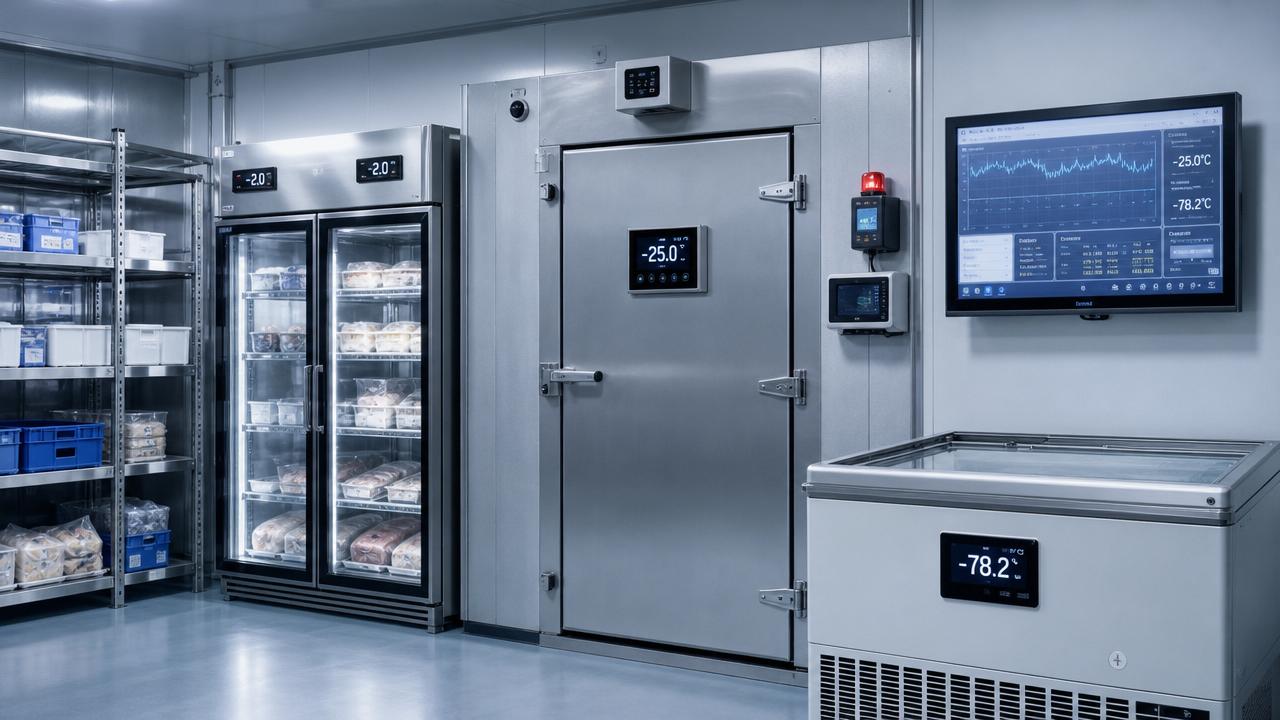
- Require digital monitoring for temperature, pressure, superheat, and energy use, because verifiable operating data supports both compliance defense and optimization.
- Document end-of-life recovery and refrigerant handling procedures early, ensuring disposal, reclamation, and transport plans align with local environmental obligations.
How eco-friendly refrigeration applies across key scenarios
Cold storage and distribution hubs
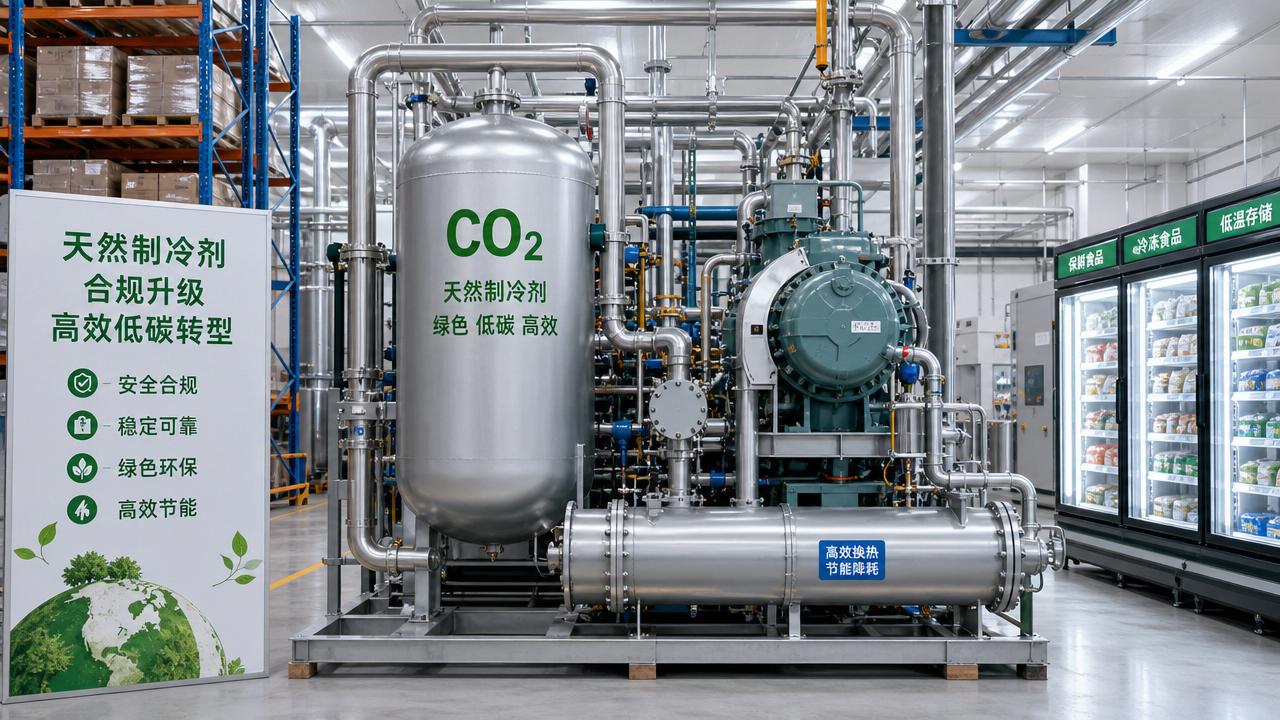
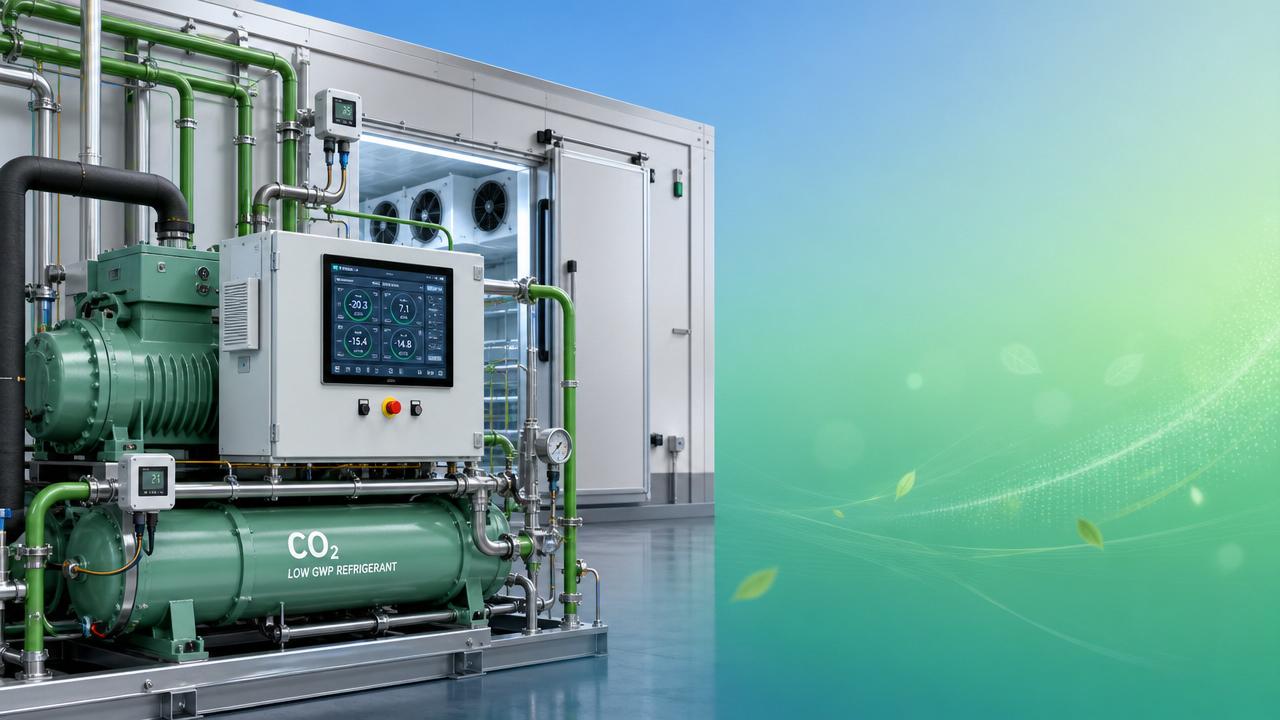
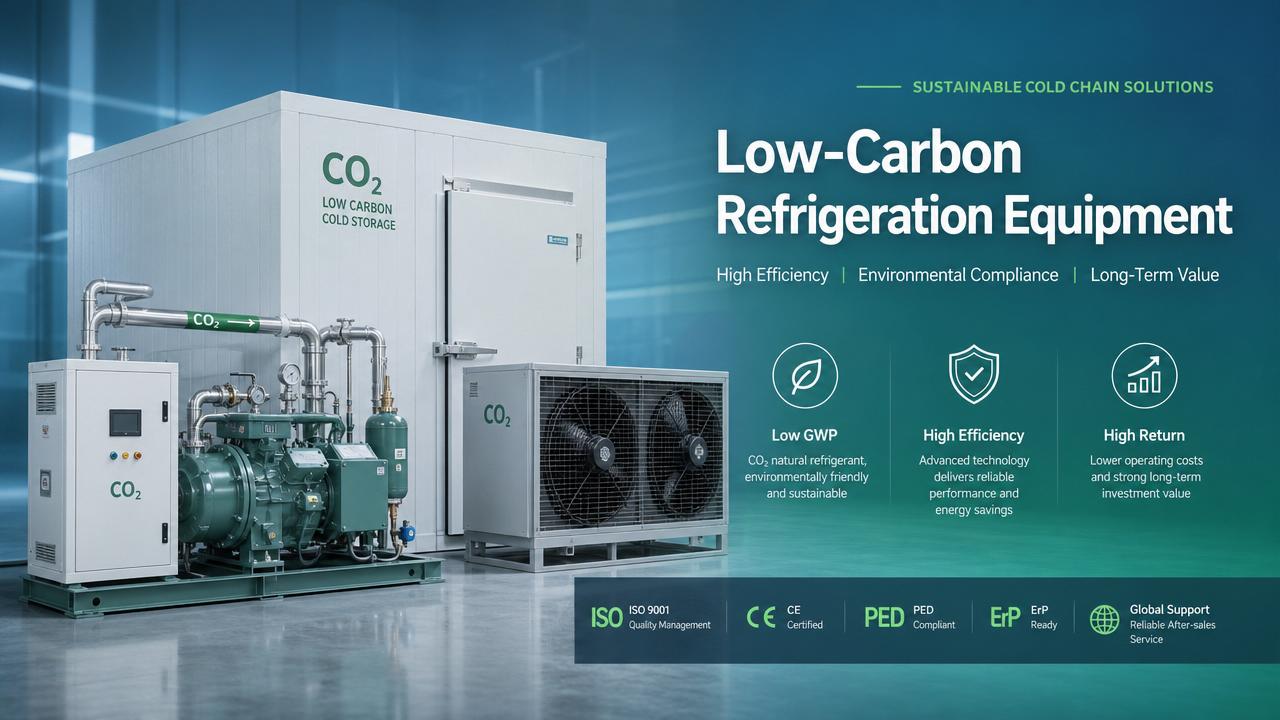
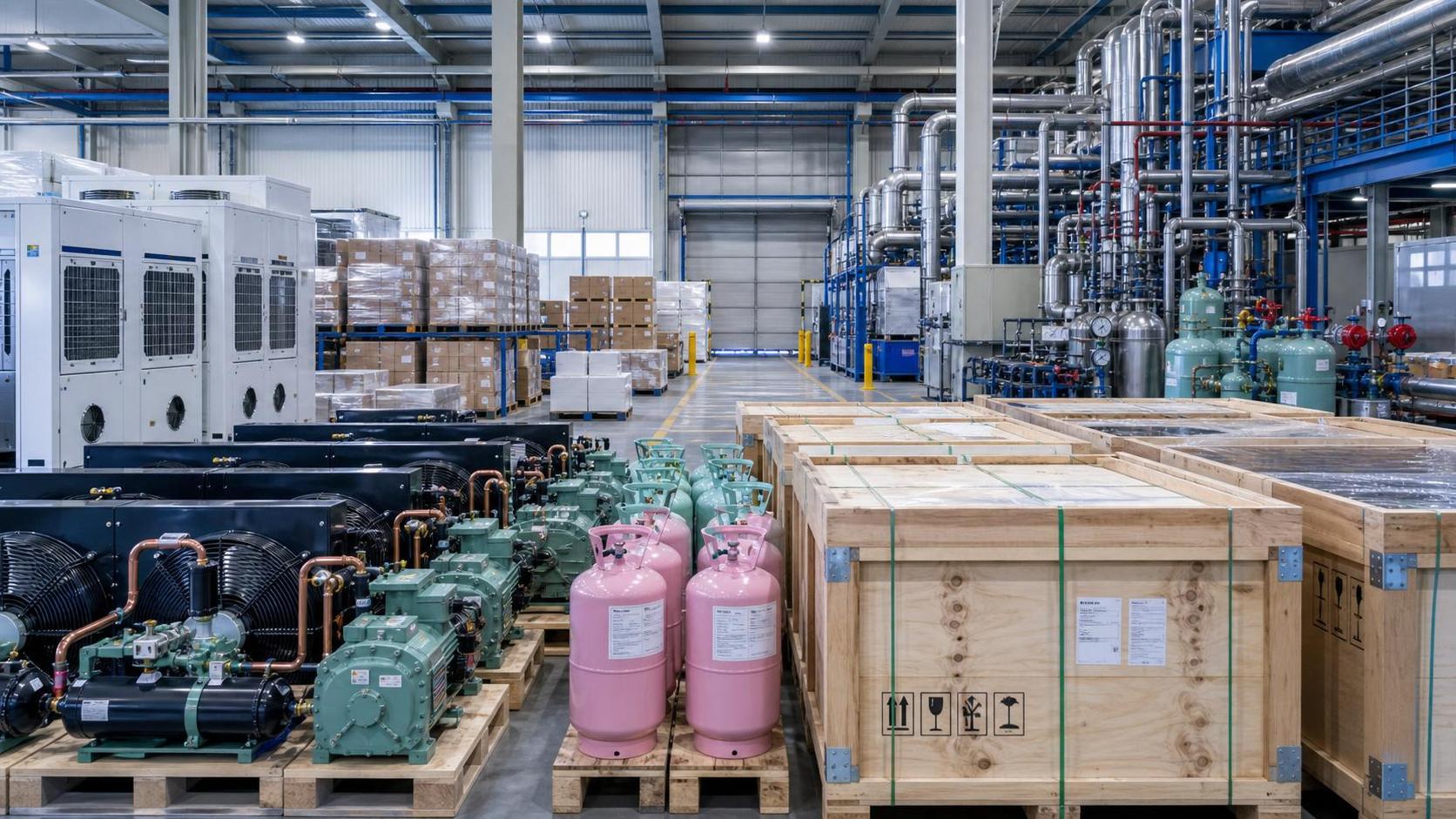
In large cold storage, eco-friendly refrigeration often means moving toward CO2 transcritical systems, ammonia-based plant design, or optimized cascade arrangements. The compliance advantage comes from lower GWP exposure and better alignment with long-term environmental policy.
These sites should pay special attention to pressure design, emergency ventilation, leak response plans, and operator training. Regulatory fit is not created by refrigerant choice alone. It depends on safe integration across the whole plant.
Industrial chillers and process cooling
For factories, compliance risk often sits beside energy intensity. Process chillers using low-GWP refrigerants, variable-speed control, and magnetic bearing technologies can reduce both direct refrigerant risk and indirect emissions from electricity use.
Where export exposure exists, documentation quality becomes critical. Equipment specifications, refrigerant declarations, and performance records should be structured for cross-border review, not only for internal engineering files.
Commercial refrigeration cabinets and food retail
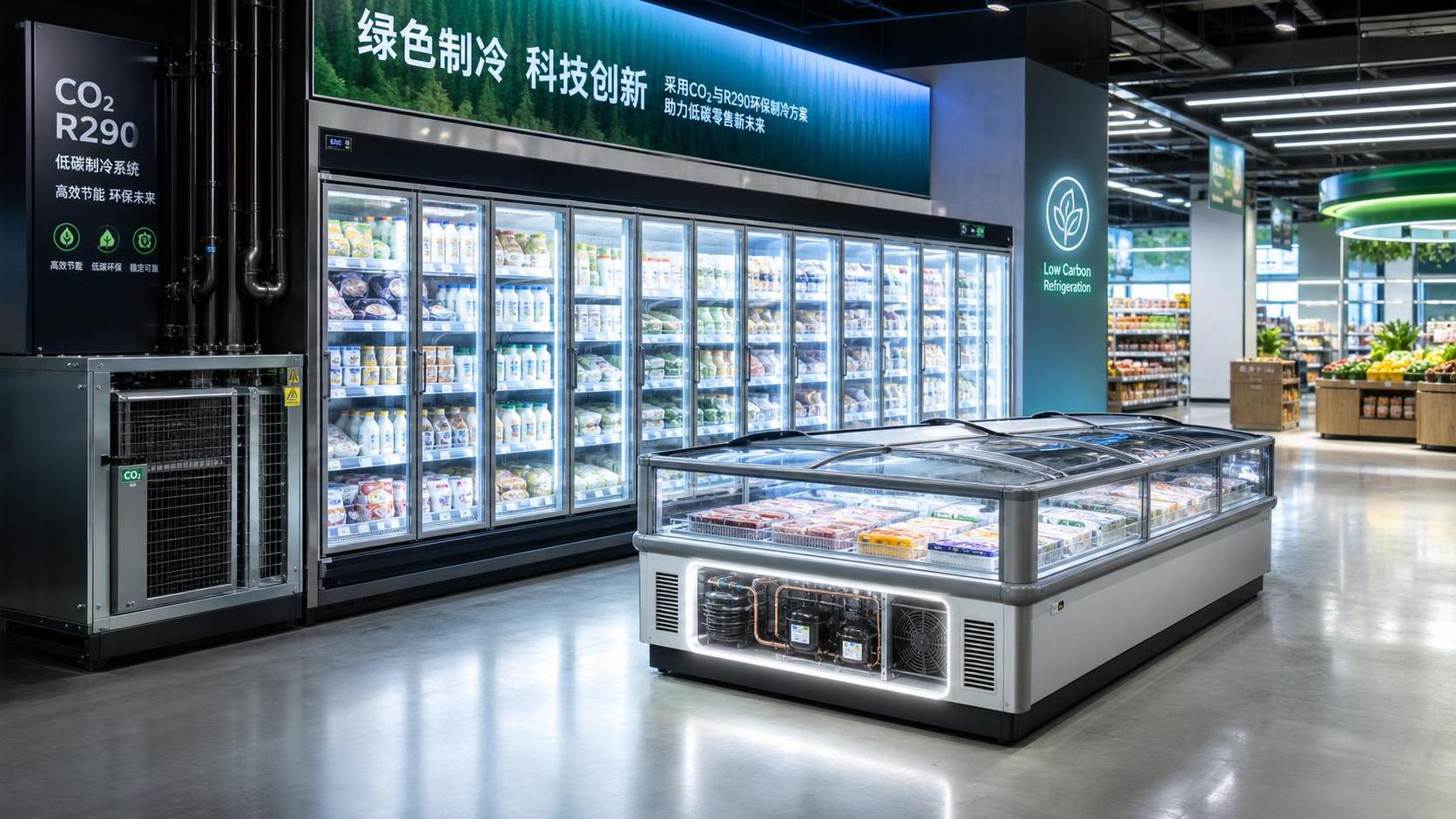
Retail refrigeration faces visible public scrutiny. Hydrocarbon cabinets and other low-impact solutions support eco-friendly refrigeration goals, but only when charge size, airflow design, anti-fog performance, and maintenance practice remain tightly controlled.
Frequent door openings, defrost cycles, and lighting loads can undermine promised efficiency. Poor field setup may also create product temperature deviations, which become both food safety and compliance concerns.
Medical deep-freezing and ultra-low temperature storage
In biomedicine, eco-friendly refrigeration must never compromise temperature stability. Ultra-low temperature freezers need careful evaluation of cascade systems, refrigerant safety, holdover capability, alarm systems, and backup power integration.
The compliance question extends beyond emissions. It includes sample protection, audit trails, and evidence that greener technology still preserves critical materials under extreme operating conditions.
Commonly overlooked risks
Assuming “low GWP” automatically means low risk
A low-GWP refrigerant can still create compliance problems if flammability, toxicity, charge management, or technician readiness are ignored. Eco-friendly refrigeration works only when the surrounding safety framework is mature.
Ignoring service network limitations
Some systems look attractive on paper but lack local maintenance support. That gap can delay repairs, increase leakage duration, and leave sites exposed during inspections or incident reviews.
Focusing only on purchase price
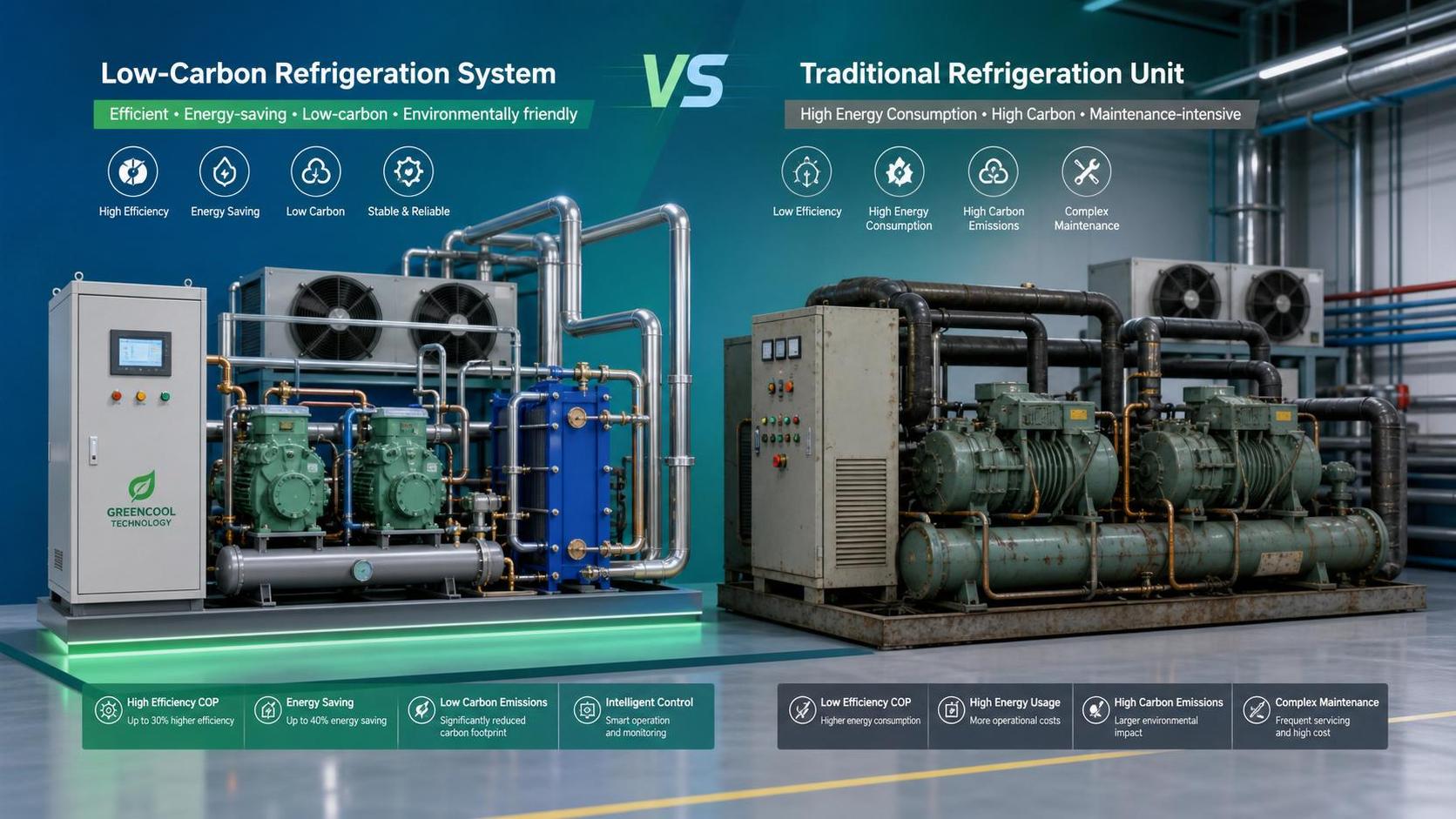
Cheaper legacy systems may become expensive under taxes, phase-down pressure, or retrofit mandates. Total compliance cost includes documentation, refrigerant replenishment, energy use, downtime, and eventual conversion.
Leaving data collection until after installation
Without baseline and live operating data, it becomes difficult to prove that eco-friendly refrigeration targets are being met. Missing records weaken both optimization efforts and regulatory defense.
Practical execution steps
- Start with a refrigerant inventory covering installed base, leak history, charge size, and market exposure.
- Rank assets by regulatory urgency, energy waste, and replacement complexity.
- Run a compliance screen before issuing specifications for new equipment or retrofits.
- Standardize documentation templates for refrigerants, service logs, and recovery records.
- Install remote monitoring where temperature integrity and leak response are mission critical.
- Train technical teams on the exact safety profile of each approved refrigerant family.
- Review the roadmap annually as standards, refrigerant pricing, and export rules evolve.
Where system portfolios span chillers, compressors, cabinets, ice equipment, and deep-cryogenic storage, a centralized intelligence process adds value. Tracking policy change, thermodynamic performance, and refrigerant economics together reduces fragmented decision-making.
Conclusion and next action
The real advantage of eco-friendly refrigeration is not limited to lower emissions. It cuts compliance risk by aligning equipment strategy with evolving refrigerant law, safer operations, better documentation, and stronger long-term adaptability.
The next step is simple: review every critical cooling asset against a structured checklist. Identify where refrigerant choice, leakage control, service readiness, and monitoring still fall short. In a market shaped by tighter standards, eco-friendly refrigeration is quickly becoming a core requirement for resilient operations.
Recommended News
 Eco-Refrigerant & ComplianceF-Gas Regulations Are Changing Equipment Choices Faster Than ExpectedAnalyst :Dr. Henrik Weber
 Eco-Refrigerant & ComplianceEco-Friendly Refrigeration: What Looks Green but Performs Poorly?Analyst :Dr. Henrik Weber
 Eco-Refrigerant & ComplianceNatural Refrigerants: Are Compliance Benefits Worth the Transition Cost?Analyst :Dr. Henrik Weber
 Eco-Refrigerant & ComplianceWhat drives low carbon refrigeration adoption in 2026?Analyst :Dr. Henrik Weber
 Eco-Refrigerant & ComplianceEco-friendly cooling is changing compliance planning fastAnalyst :Dr. Henrik Weber
 Eco-Refrigerant & ComplianceLow carbon cooling trends that could reshape investmentsAnalyst :Dr. Henrik Weber
 Eco-Refrigerant & ComplianceHow F-Gas regulations are changing refrigerant decisionsAnalyst :Dr. Henrik Weber
 Eco-Refrigerant & ComplianceIs eco-friendly refrigeration worth the higher upfront costAnalyst :Dr. Henrik Weber
 Eco-Refrigerant & ComplianceWhy low carbon cooling is becoming a compliance priorityAnalyst :Dr. Henrik Weber
 Eco-Refrigerant & ComplianceLow carbon refrigeration options that cut long-term costsAnalyst :Dr. Henrik Weber
 Eco-Refrigerant & ComplianceWhat buyers miss when choosing eco-friendly refrigerationAnalyst :Dr. Henrik Weber
 Eco-Refrigerant & ComplianceWhy low carbon refrigeration is becoming a board issueAnalyst :Dr. Henrik Weber
 Eco-Refrigerant & ComplianceWhat F-Gas regulations mean for equipment choices in 2026Analyst :Dr. Henrik Weber
![]() Eco-Refrigerant & ComplianceIndonesia Launches Green Refrigeration Channel for R290 Cold CabinetsAnalyst :Dr. Henrik Weber
Eco-Refrigerant & ComplianceIndonesia Launches Green Refrigeration Channel for R290 Cold CabinetsAnalyst :Dr. Henrik Weber Eco-Refrigerant & ComplianceWhy low carbon cooling is becoming a safer long betAnalyst :Dr. Henrik Weber
 Eco-Refrigerant & ComplianceWhat makes eco-friendly cooling cheaper over time?Analyst :Dr. Henrik Weber
 Eco-Refrigerant & ComplianceF-Gas regulations are changing how cooling gets approvedAnalyst :Dr. Henrik Weber
 Eco-Refrigerant & ComplianceHow eco-friendly refrigeration cuts compliance riskAnalyst :Dr. Henrik Weber
 Eco-Refrigerant & ComplianceHow low carbon cooling cuts compliance risk in 2026Analyst :Dr. Henrik Weber
 Eco-Refrigerant & ComplianceLow Carbon Refrigeration: Compare Refrigerants, Energy Use, and ComplianceAnalyst :Dr. Henrik Weber
 Eco-Refrigerant & ComplianceEco-Friendly Cooling Options: Refrigerants, Efficiency, and Compliance ChecksAnalyst :Dr. Henrik Weber
![]() Eco-Refrigerant & ComplianceWhat Are Natural Refrigerants? Types, GWP Limits, and Where They Fit BestAnalyst :Dr. Henrik Weber
Eco-Refrigerant & ComplianceWhat Are Natural Refrigerants? Types, GWP Limits, and Where They Fit BestAnalyst :Dr. Henrik Weber Eco-Refrigerant & ComplianceEco-Friendly Cooling vs Conventional Systems: What Buyers Should Compare FirstAnalyst :Dr. Henrik Weber
 Eco-Refrigerant & ComplianceEco-Friendly Refrigeration vs Conventional Systems: Refrigerants, Energy Use, and ComplianceAnalyst :Dr. Henrik Weber
 Eco-Refrigerant & ComplianceLow Carbon Refrigeration: Key Standards, Refrigerant Options, and ROI FactorsAnalyst :Dr. Henrik Weber
 Eco-Refrigerant & ComplianceTemperature Control Standards for Food Storage: Critical Limits, Logging, and Audit ChecksAnalyst :Dr. Henrik Weber
 Eco-Refrigerant & ComplianceLow Carbon Cooling Options Explained: Refrigerants, Compliance, and System Trade-OffsAnalyst :Dr. Henrik Weber
 Eco-Refrigerant & ComplianceDigital Refrigeration vs Conventional Controls: What Improves Monitoring and Compliance?Analyst :Dr. Henrik Weber
 Eco-Refrigerant & ComplianceLow Carbon Cooling Options for Commercial Refrigeration: CO2, Ammonia, and Hybrid SystemsAnalyst :Dr. Henrik Weber
 Eco-Refrigerant & ComplianceLow Carbon Cooling Options Compared: CO2, Ammonia, and HFO Systems for ComplianceAnalyst :Dr. Henrik Weber
 Eco-Refrigerant & ComplianceIndustrial Refrigeration Systems Buying Guide: Lifecycle Cost, Efficiency, and ComplianceAnalyst :Dr. Henrik Weber
 Eco-Refrigerant & ComplianceEco-Friendly Cooling Options: Refrigerants, Energy Use, and Compliance Factors ComparedAnalyst :Dr. Henrik Weber
 Eco-Refrigerant & ComplianceNatural Refrigerants vs HFCs: How to Compare Compliance, Safety, and System DesignAnalyst :Dr. Henrik Weber
 Eco-Refrigerant & ComplianceHow to Read Specification-Oriented Product Guides for Refrigeration EquipmentAnalyst :Dr. Henrik Weber
 Eco-Refrigerant & ComplianceLow Carbon Refrigeration Options for Supermarkets: CAPEX, Energy Use, and Compliance ComparedAnalyst :Dr. Henrik Weber
 Eco-Refrigerant & ComplianceRACC 2026 to Host PFAS Compliance Briefing in HangzhouAnalyst :Dr. Henrik Weber
 Eco-Refrigerant & ComplianceEPA Rule Challenge Raises HFC Supply Chain ConcernsAnalyst :Dr. Henrik Weber
 Eco-Refrigerant & ComplianceLow Carbon Refrigeration Systems vs Conventional Setups: Which Delivers Lower Lifecycle Cost?Analyst :Dr. Henrik Weber
 Eco-Refrigerant & ComplianceLow GWP Refrigeration Explained: Refrigerants, Regulations, and System Trade-OffsAnalyst :Dr. Henrik Weber
 Eco-Refrigerant & ComplianceLow Carbon Refrigeration Systems Retrofit: When to Upgrade and Which Changes Matter MostAnalyst :Dr. Henrik Weber