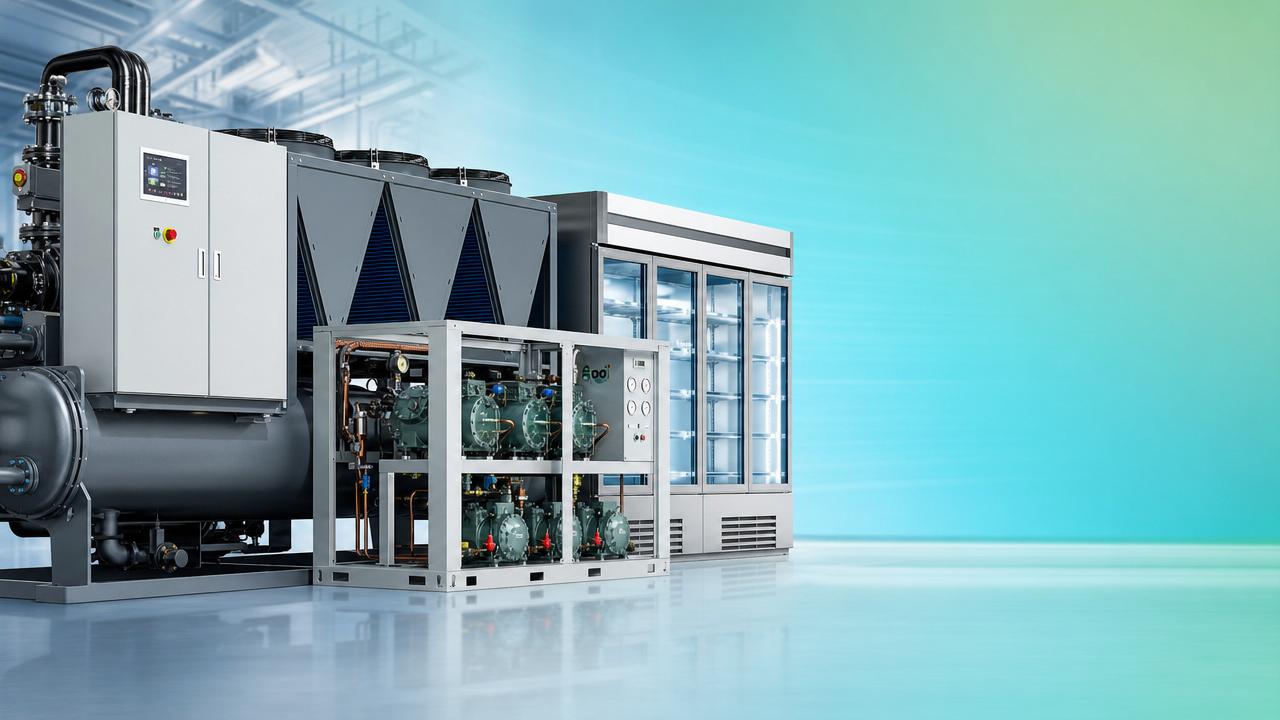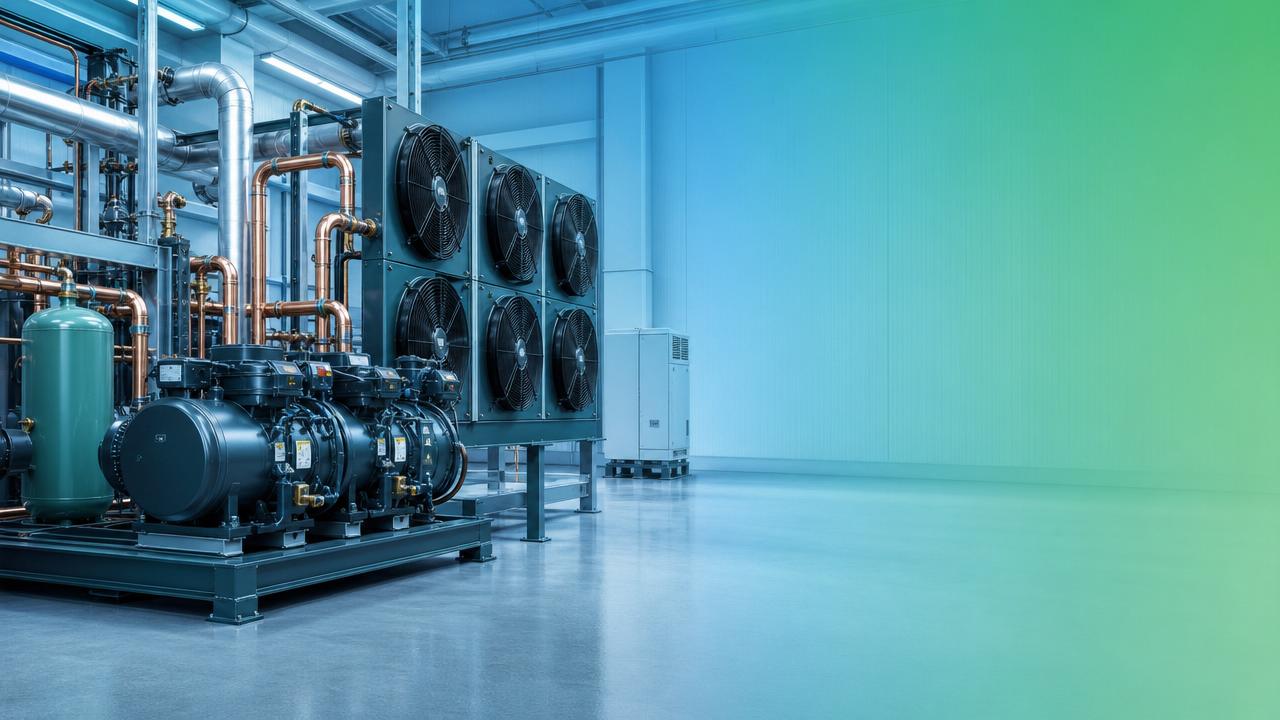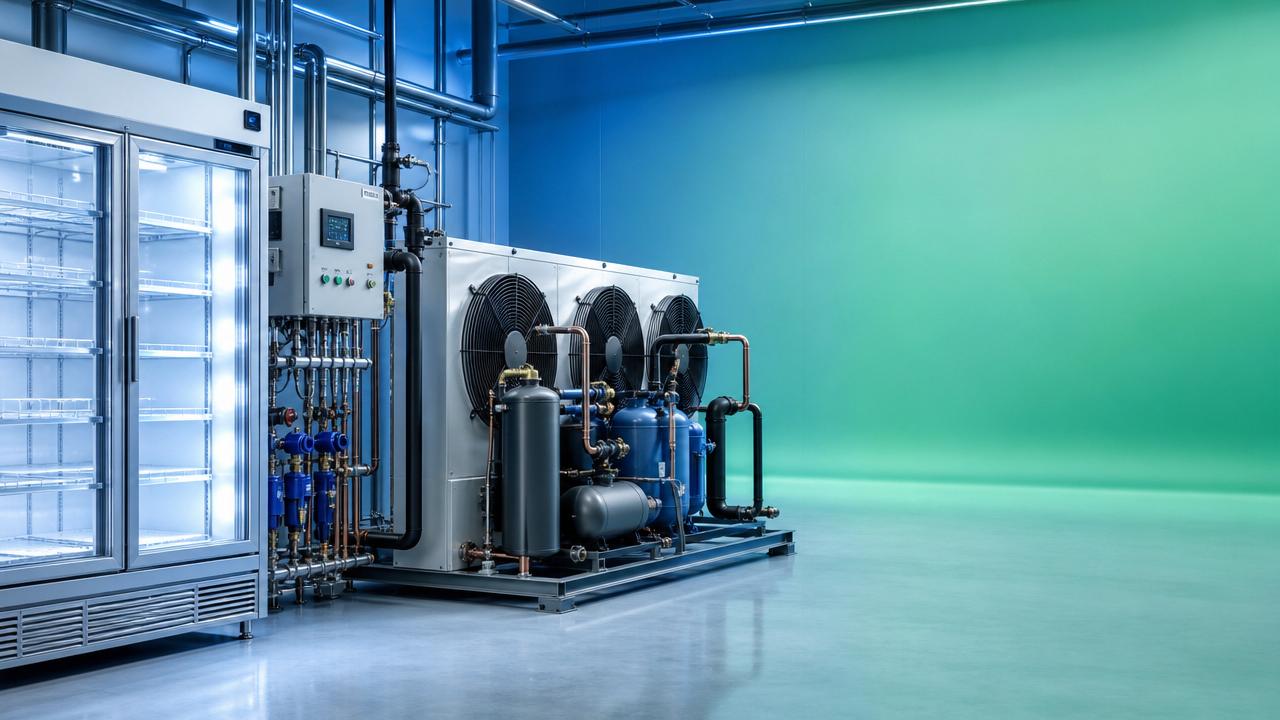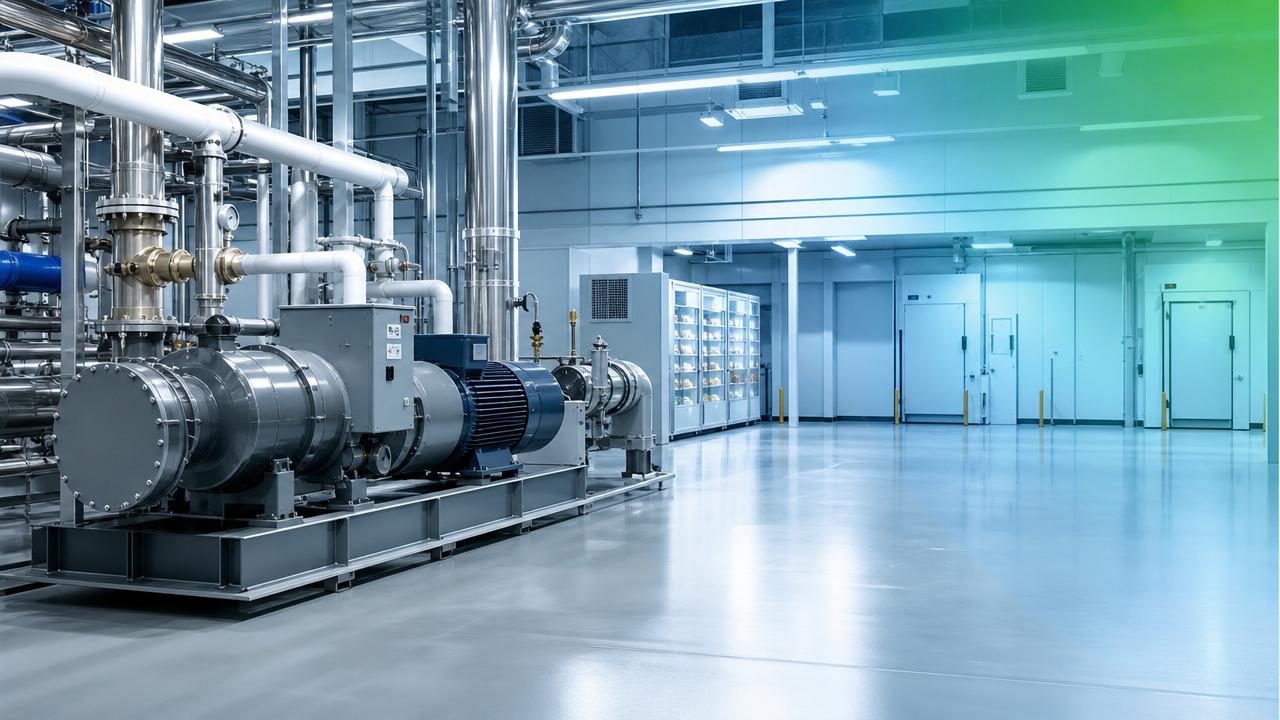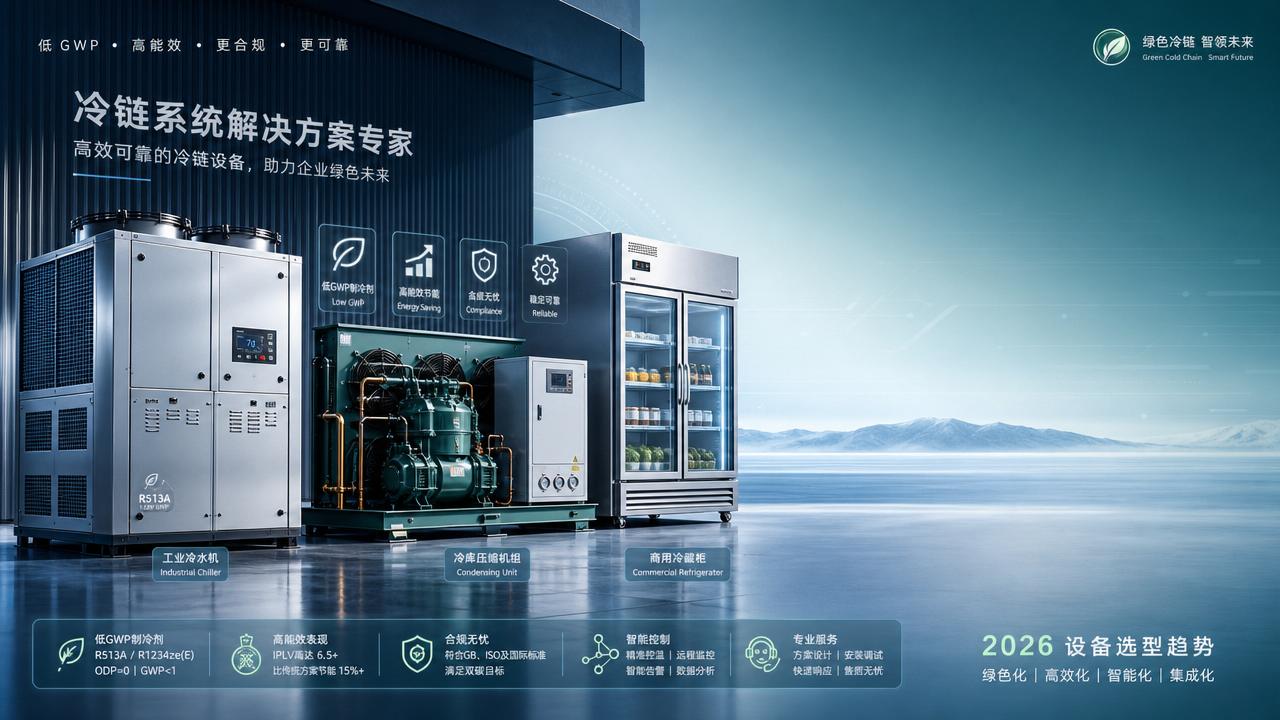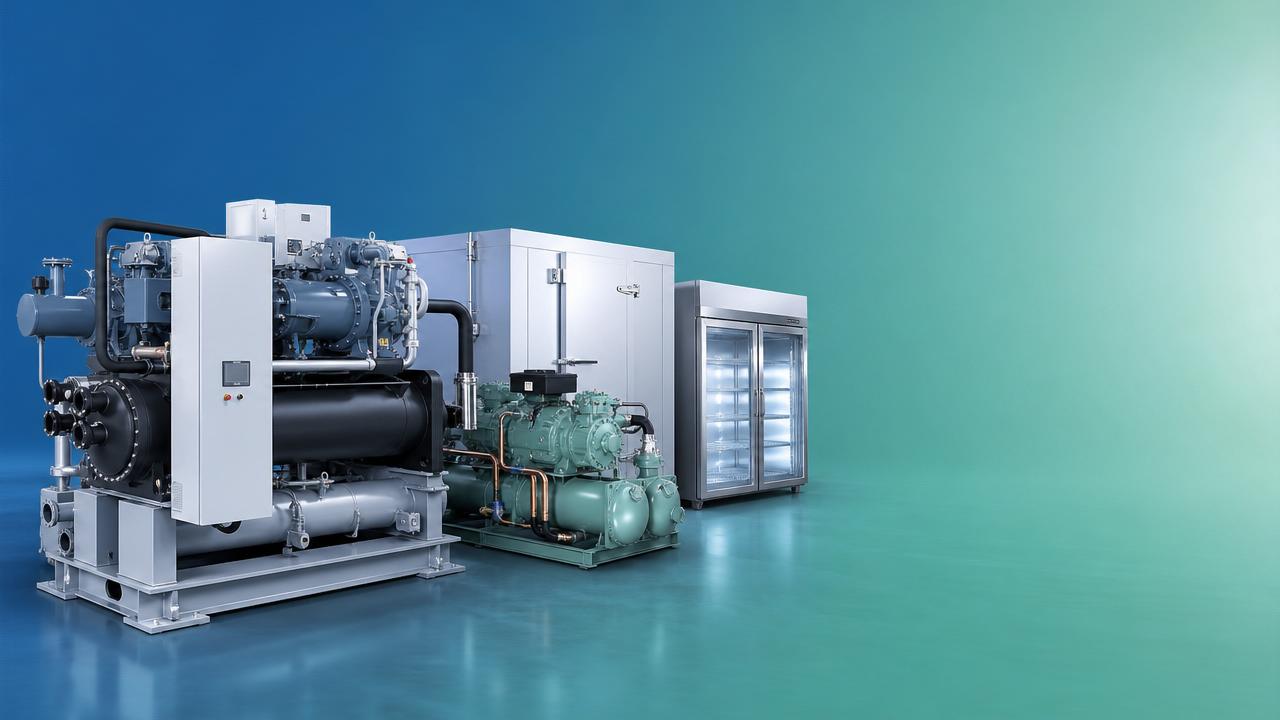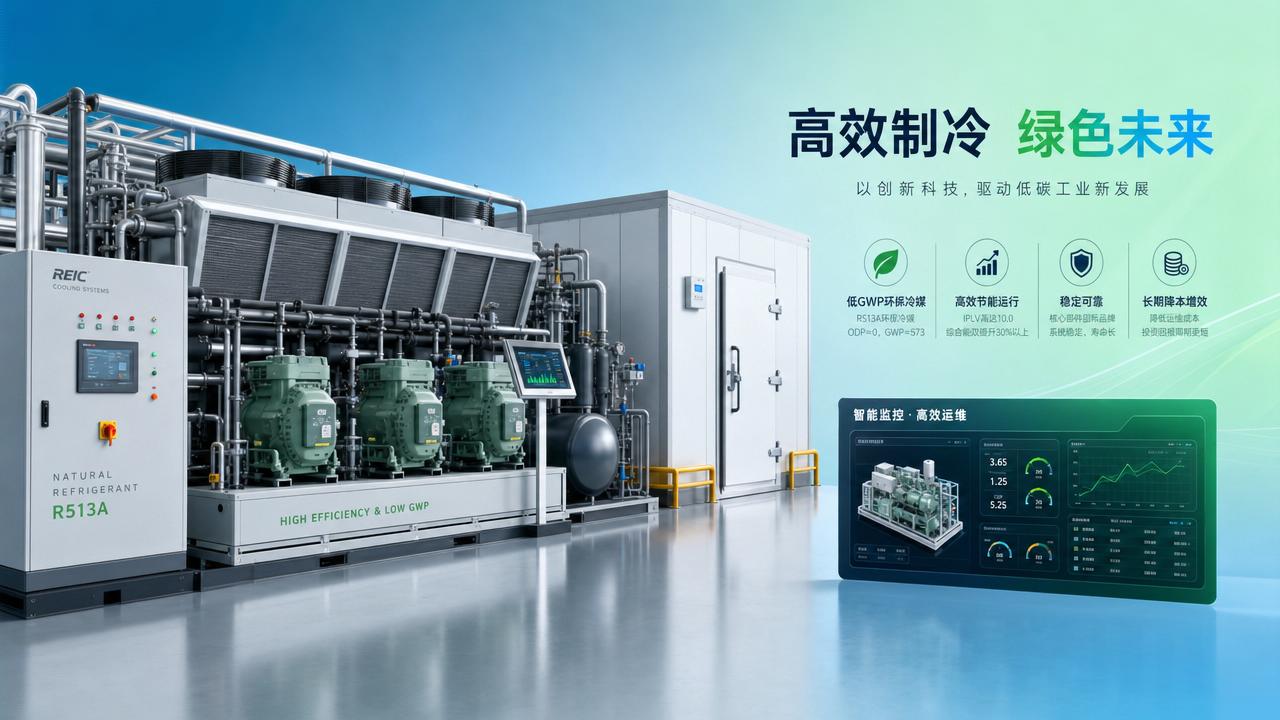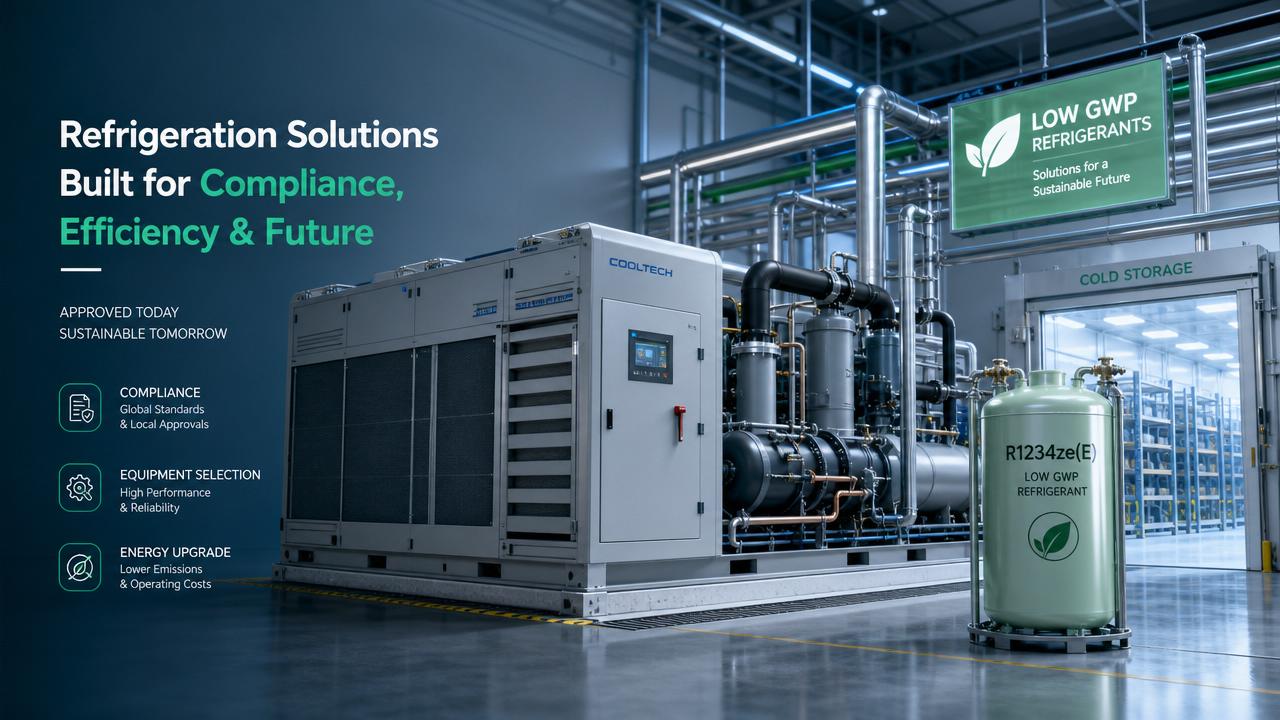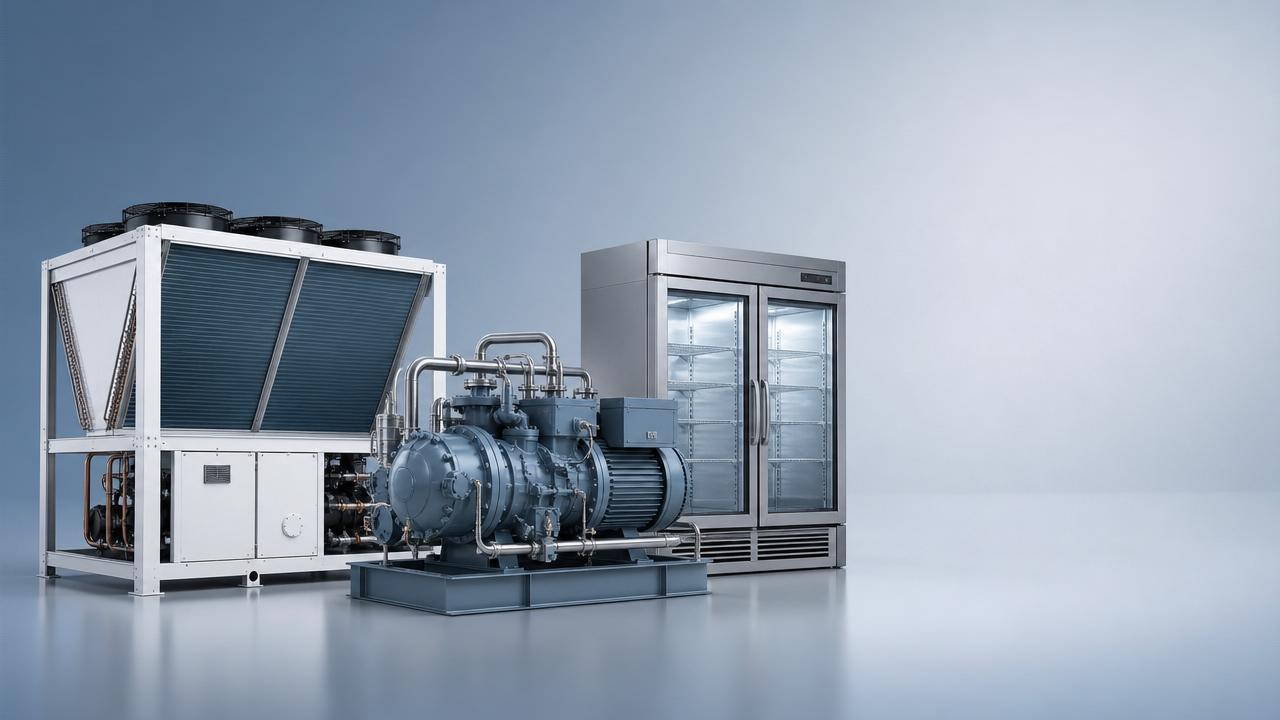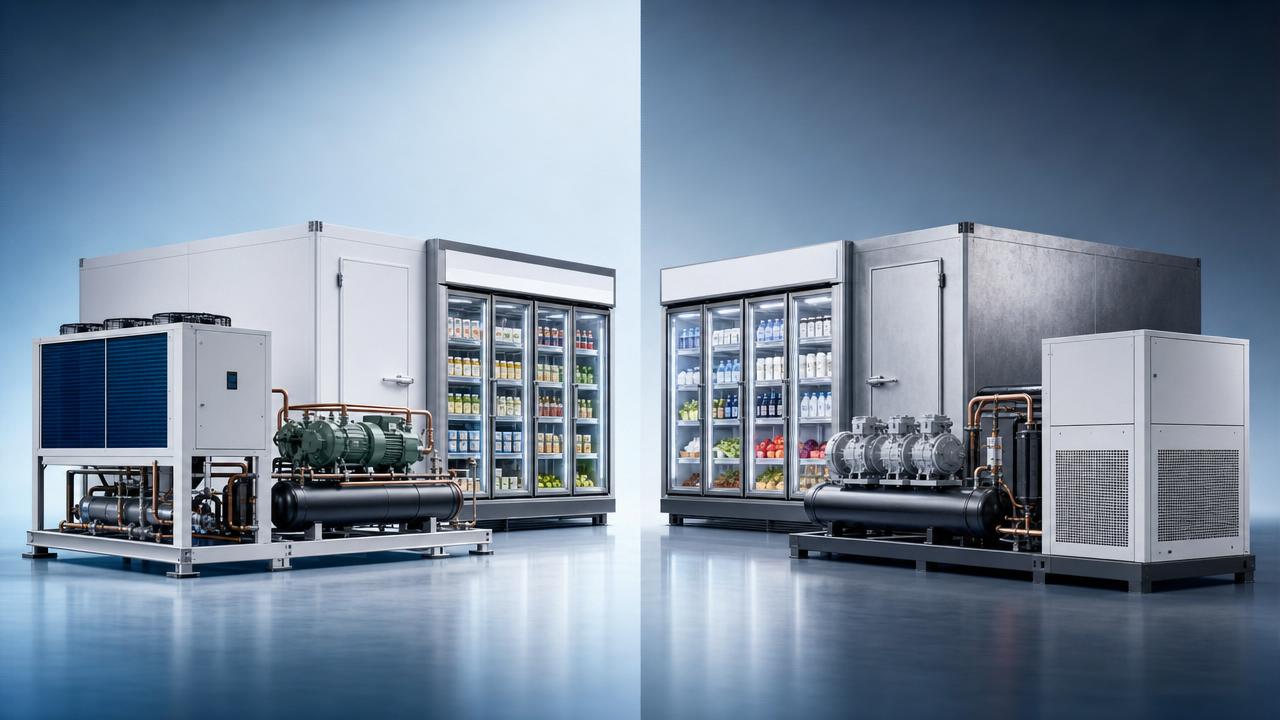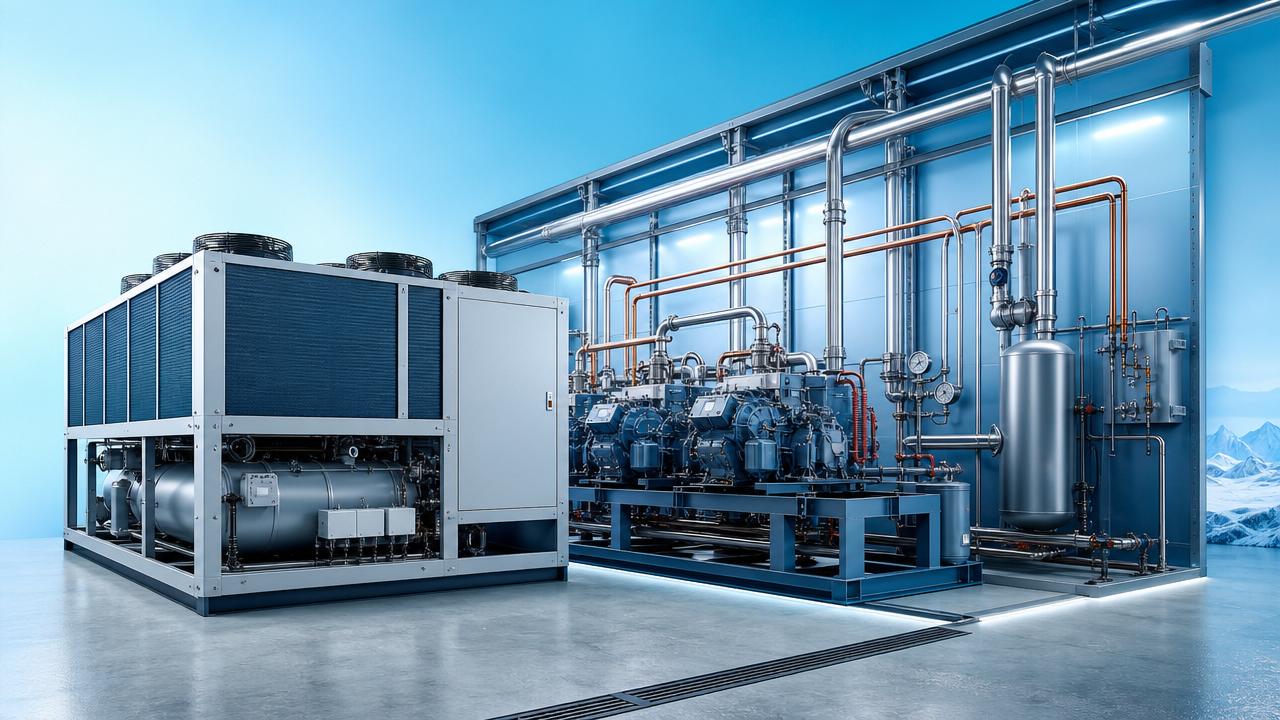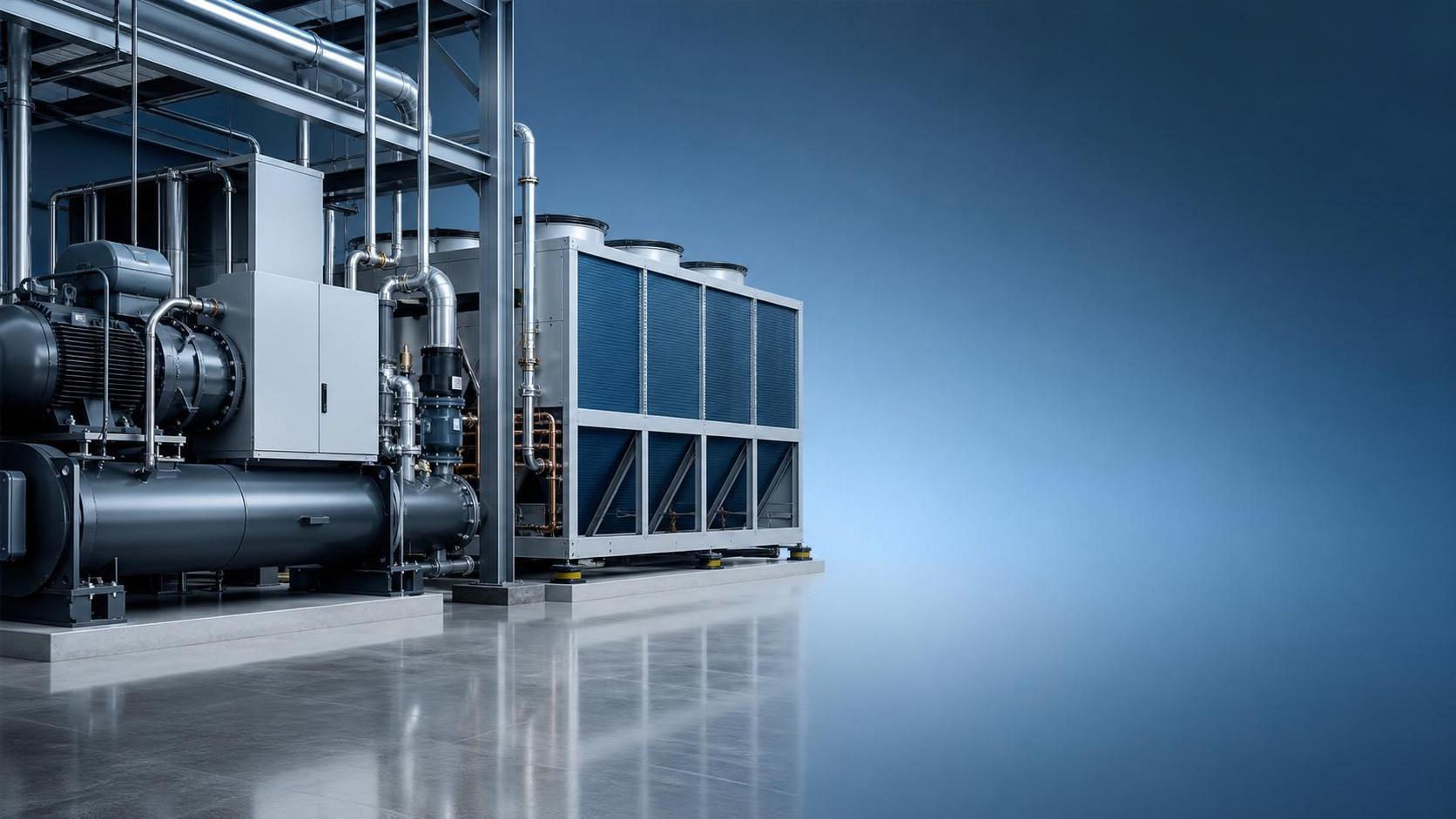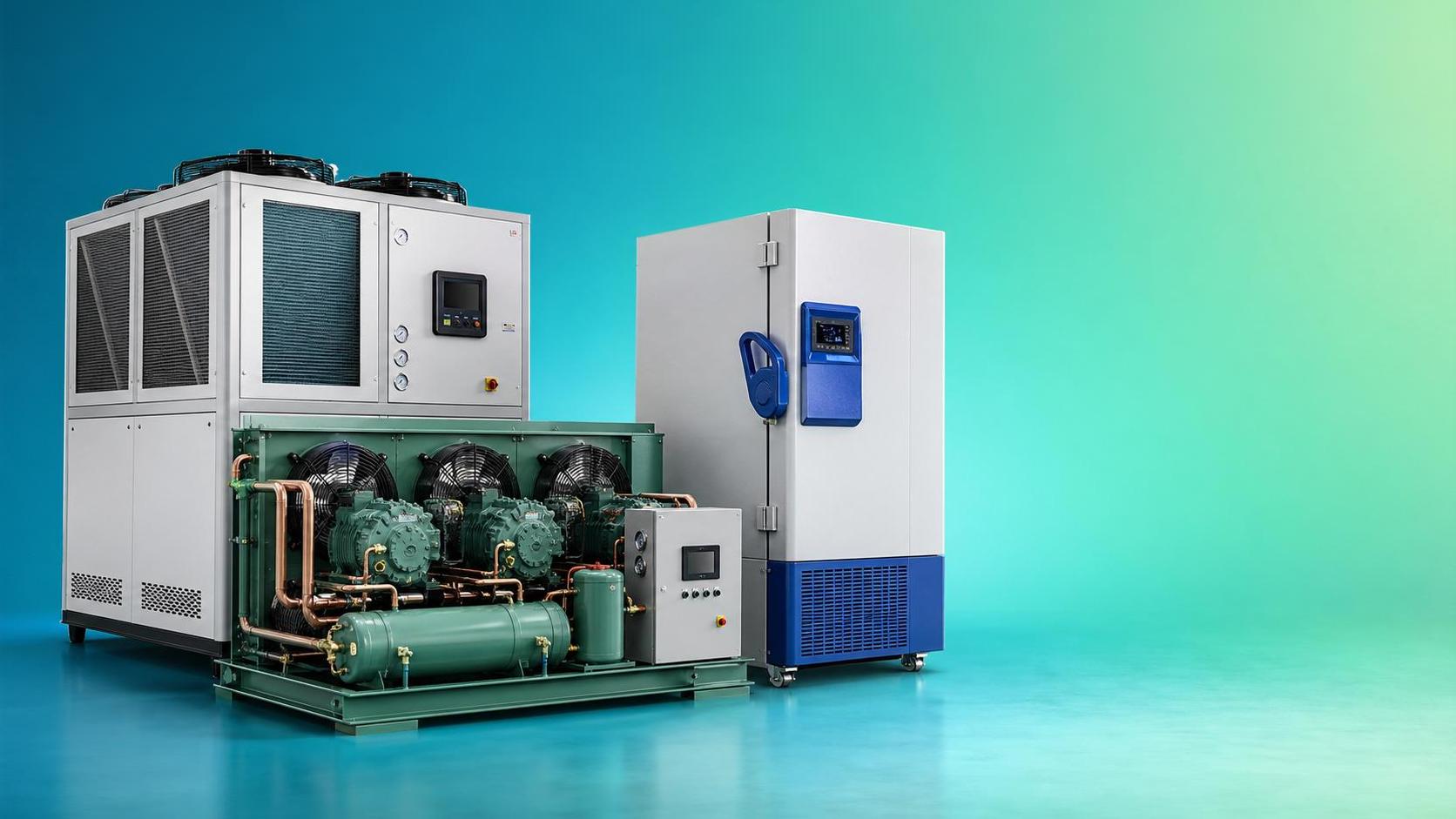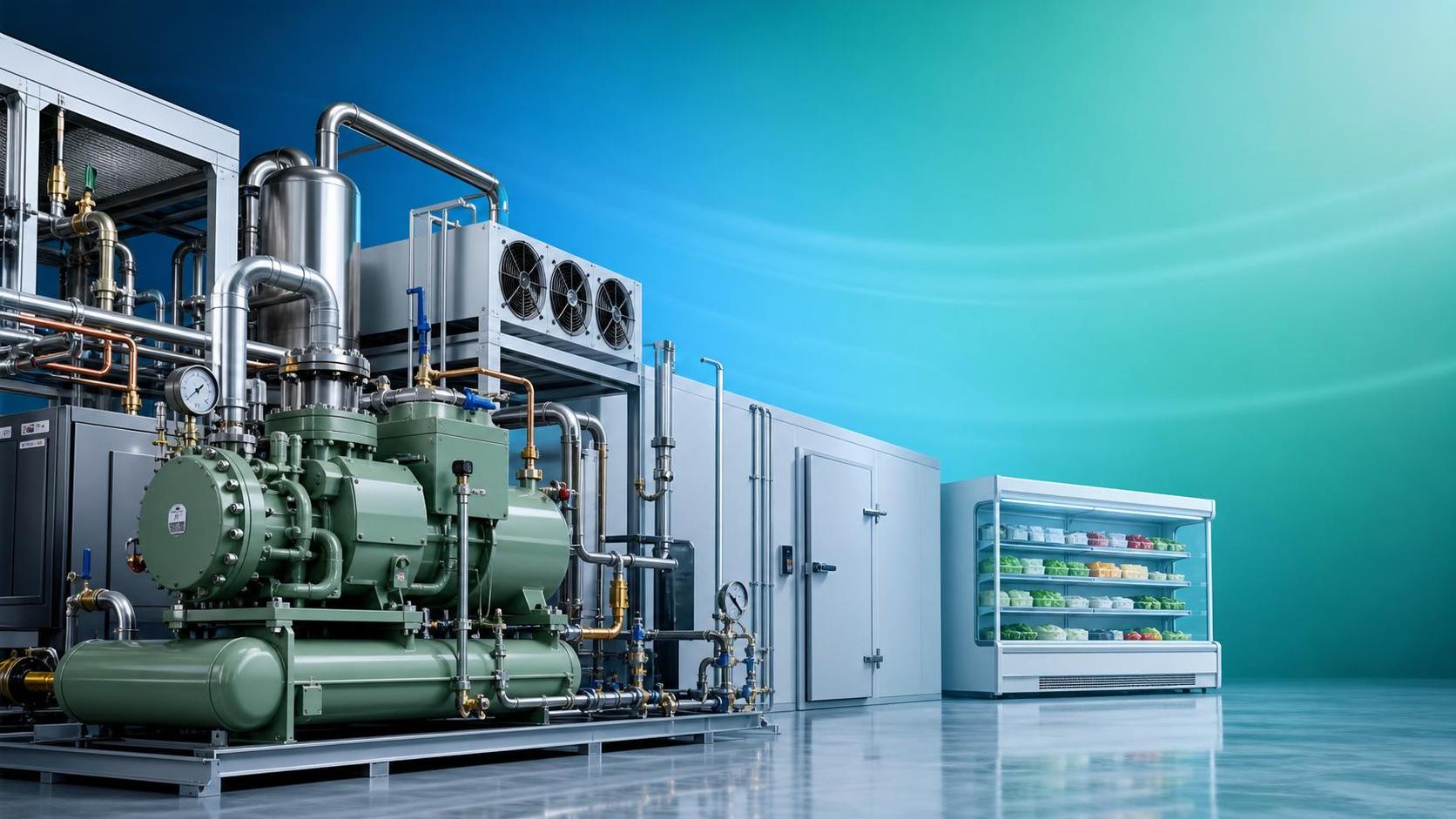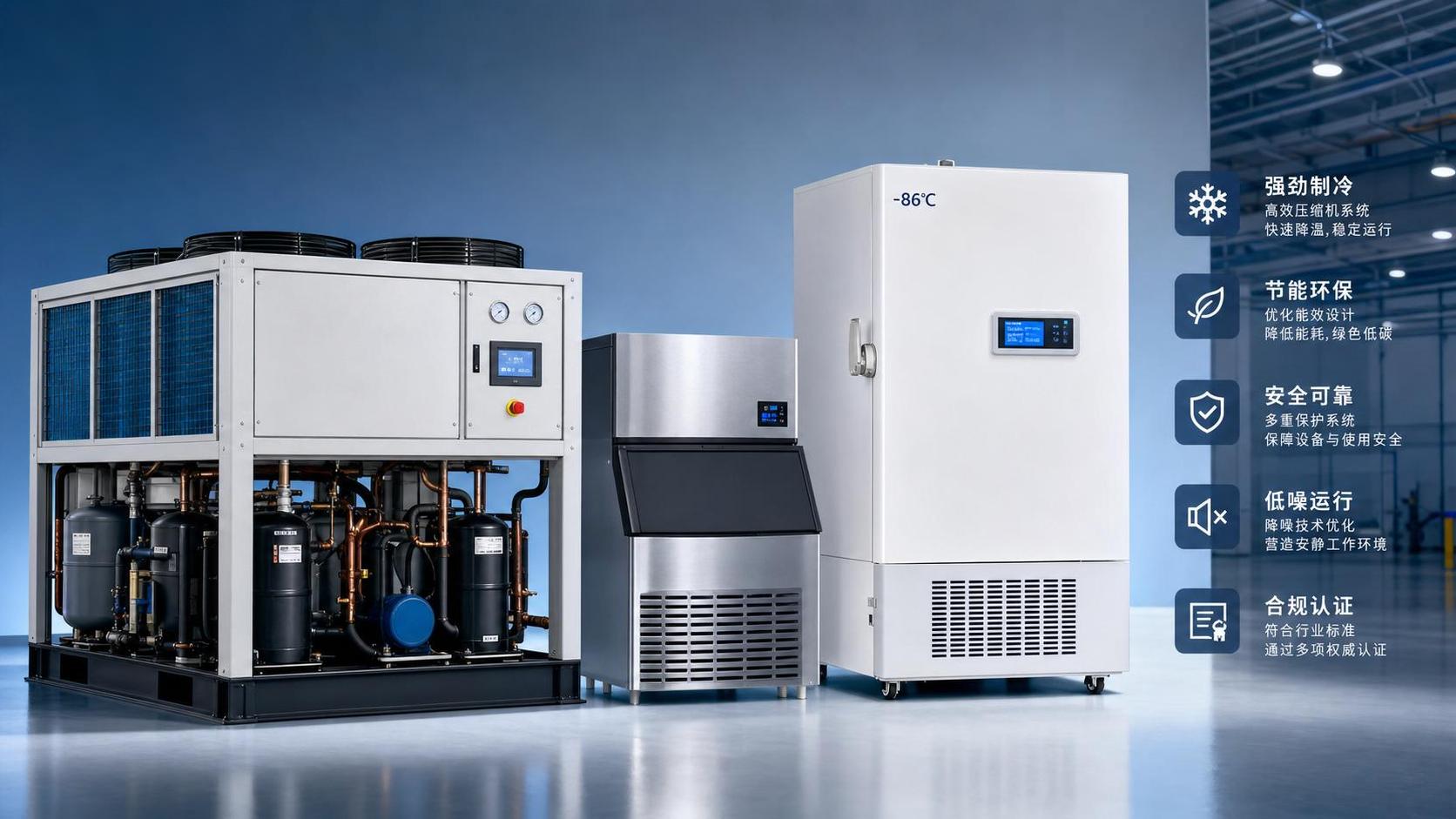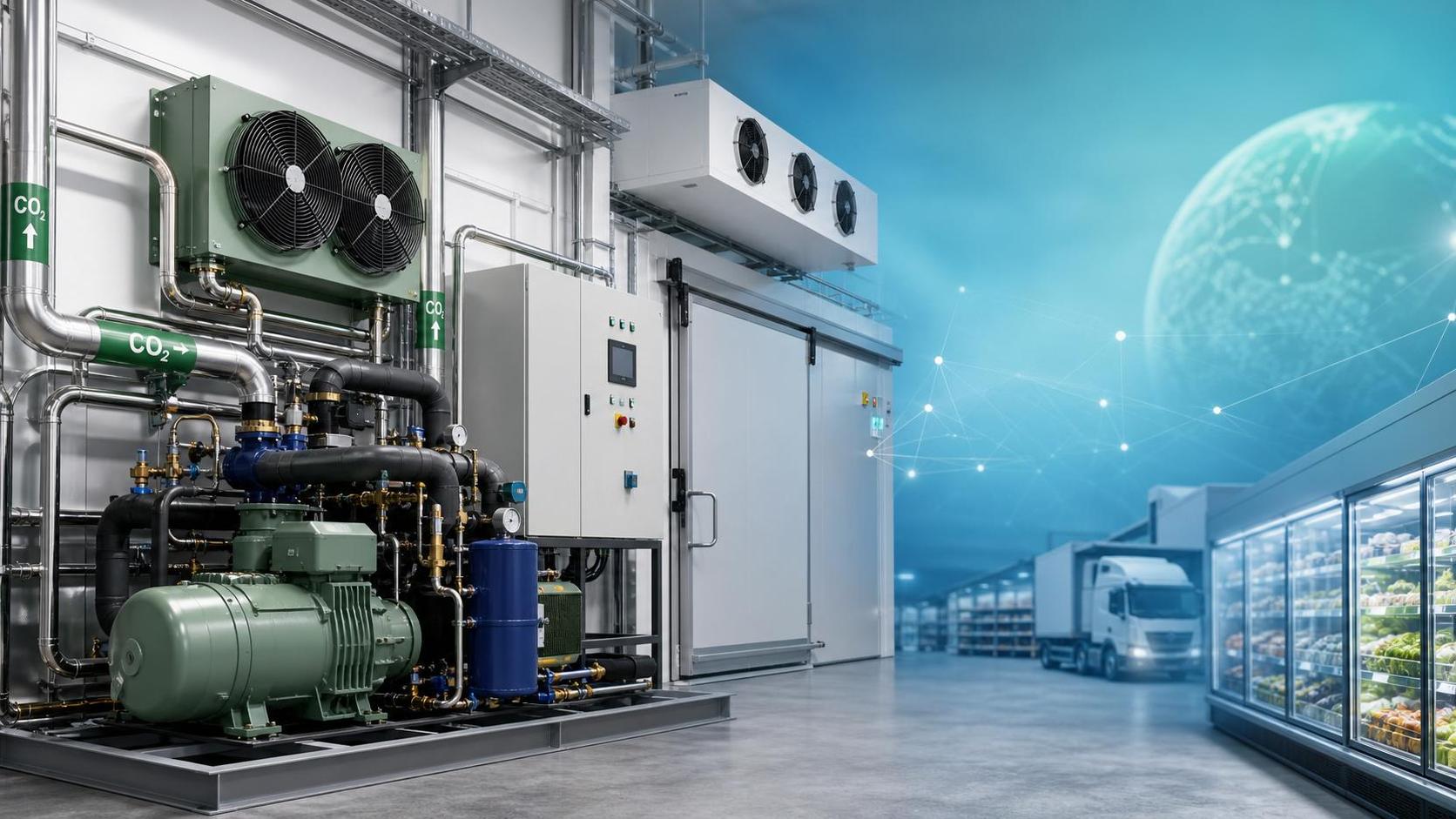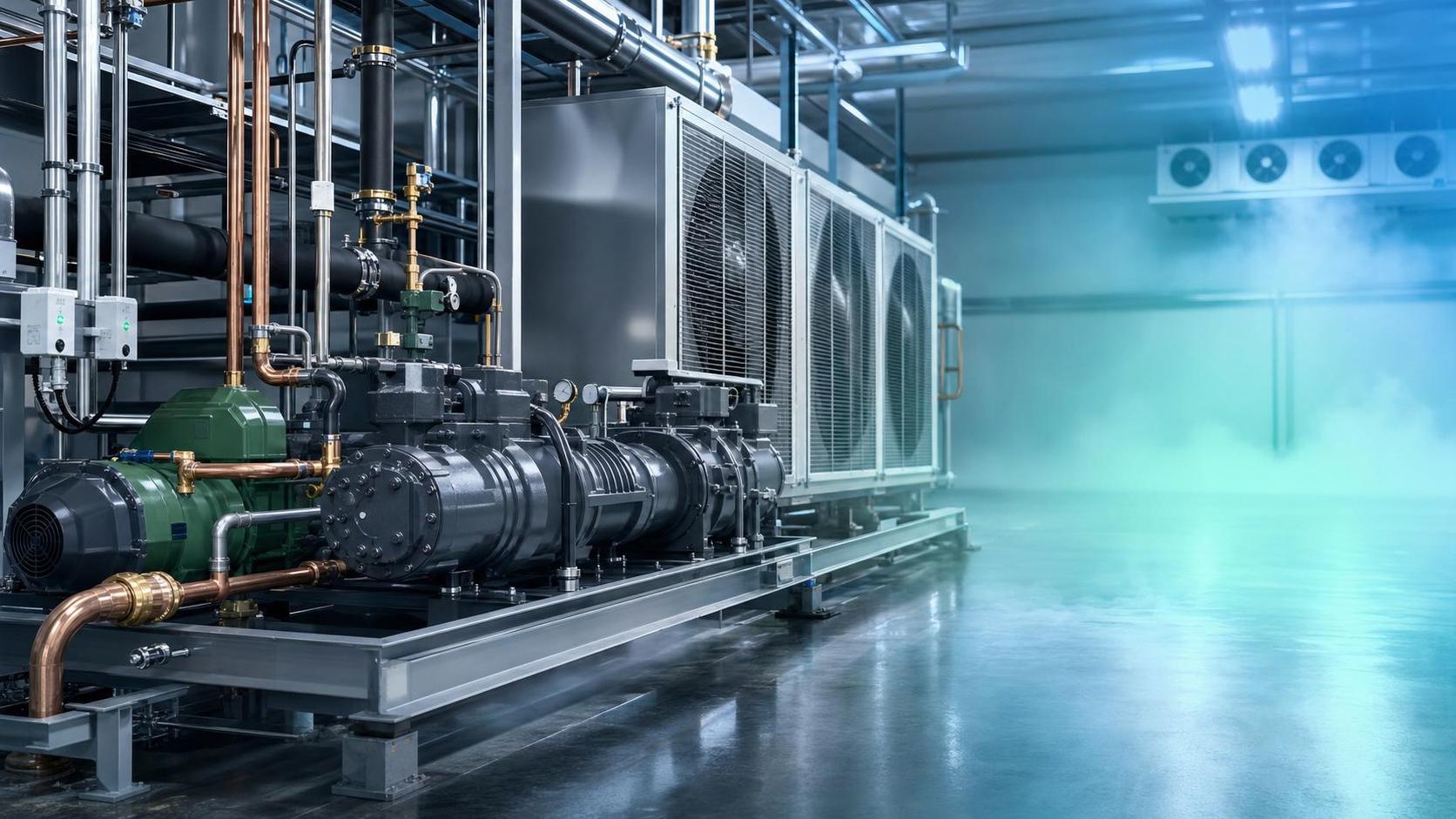
In 2026, refrigeration choices will become board-level compliance decisions. As F-Gas restrictions tighten, energy reporting expands, and buyers scrutinize supply-chain emissions, low carbon cooling offers more than efficiency gains—it reduces regulatory exposure, protects export access, and strengthens bid competitiveness. For enterprise decision makers, the shift to natural refrigerants, smarter controls, and high-efficiency cold-chain systems is no longer optional. It is a strategic path to lower risk, stabilize operating costs, and future-proof cooling assets in a rapidly decarbonizing global market.
For enterprise leaders, the central question is no longer whether cooling equipment can meet today’s temperature requirement. The question is whether it can survive tomorrow’s compliance environment.
Low carbon cooling matters because refrigeration sits at the intersection of refrigerant regulation, electricity consumption, food safety, pharmaceutical integrity, and customer climate commitments.
In 2026, these factors will increasingly affect financing, insurance, public procurement, export qualification, and long-term asset value across cold storage and industrial cooling operations.
Why cooling compliance risk is rising in 2026
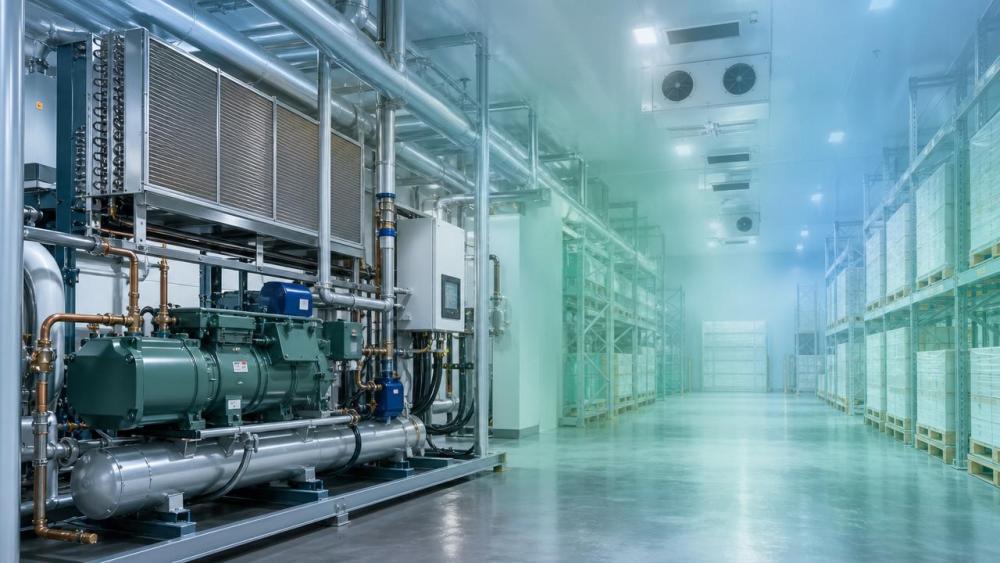
The compliance risk around cooling is rising because regulators are targeting both direct and indirect emissions from refrigeration systems.
Direct emissions come from refrigerant leakage, especially high-GWP hydrofluorocarbons used in legacy chillers, compressors, display cabinets, and ultra-low temperature systems.
Indirect emissions come from electricity demand, which can be substantial in cold stores, food retail networks, ice plants, laboratories, and process cooling facilities.
F-Gas phasedowns, refrigerant bans, carbon reporting rules, and energy performance expectations are converging into one operating reality for asset owners.
Companies that continue buying short-life, high-GWP equipment may face accelerated obsolescence, service restrictions, higher refrigerant prices, and reduced resale value.
For exporters, the risk is sharper. Equipment accepted in one market may be rejected in another due to refrigerant limits or efficiency standards.
This is why low carbon cooling is becoming a risk-control strategy, not simply an engineering preference or sustainability statement.
What enterprise decision makers should worry about first
Executives should first assess whether current cooling assets create exposure to future refrigerant availability, regulatory penalties, and customer procurement requirements.
A cold-chain hub, for example, may operate profitably today while carrying hidden risk from high-GWP compressor racks approaching regulatory end-of-life.
A supermarket chain may face rising maintenance costs if display cabinets depend on refrigerants being phased down across key markets.
A pharmaceutical facility may have validated ultra-low temperature freezers that are technically reliable but energy-intensive and difficult to justify under ESG audits.
Industrial chillers used for plastics, lasers, chemicals, or data-driven manufacturing can also become compliance concerns when energy intensity is reported externally.
The priority is not replacing every asset immediately. The priority is identifying which systems could threaten operations, contracts, or market access.
Decision makers need a risk map that ranks equipment by refrigerant type, leakage history, energy use, age, replacement lead time, and business criticality.
How low carbon cooling reduces regulatory exposure
Low carbon cooling reduces exposure in three practical ways: it lowers refrigerant-related risk, improves energy performance, and produces stronger compliance evidence.
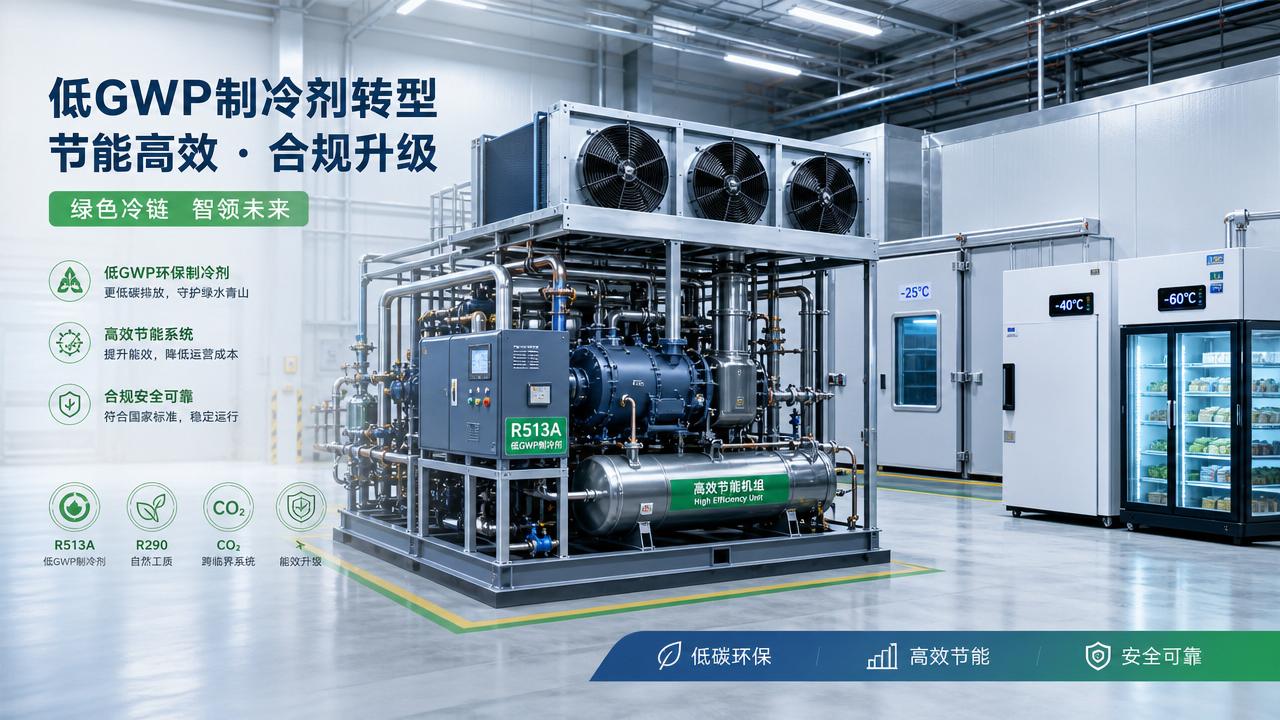
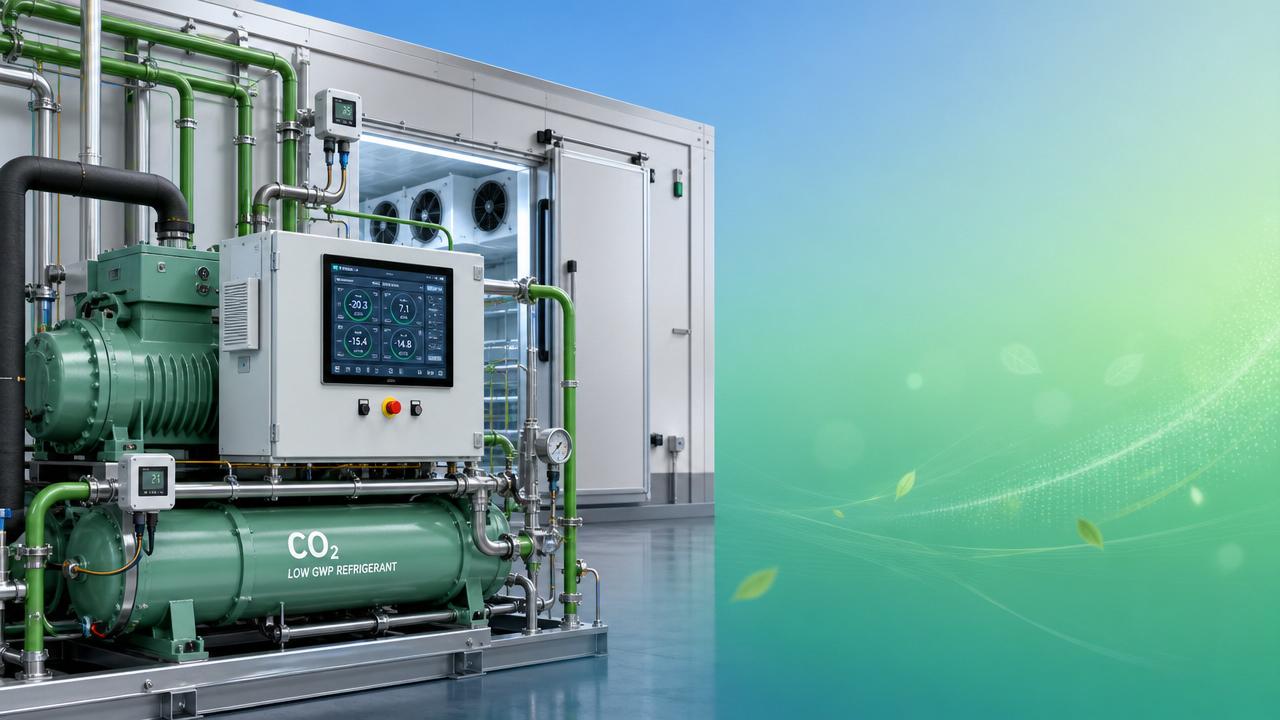
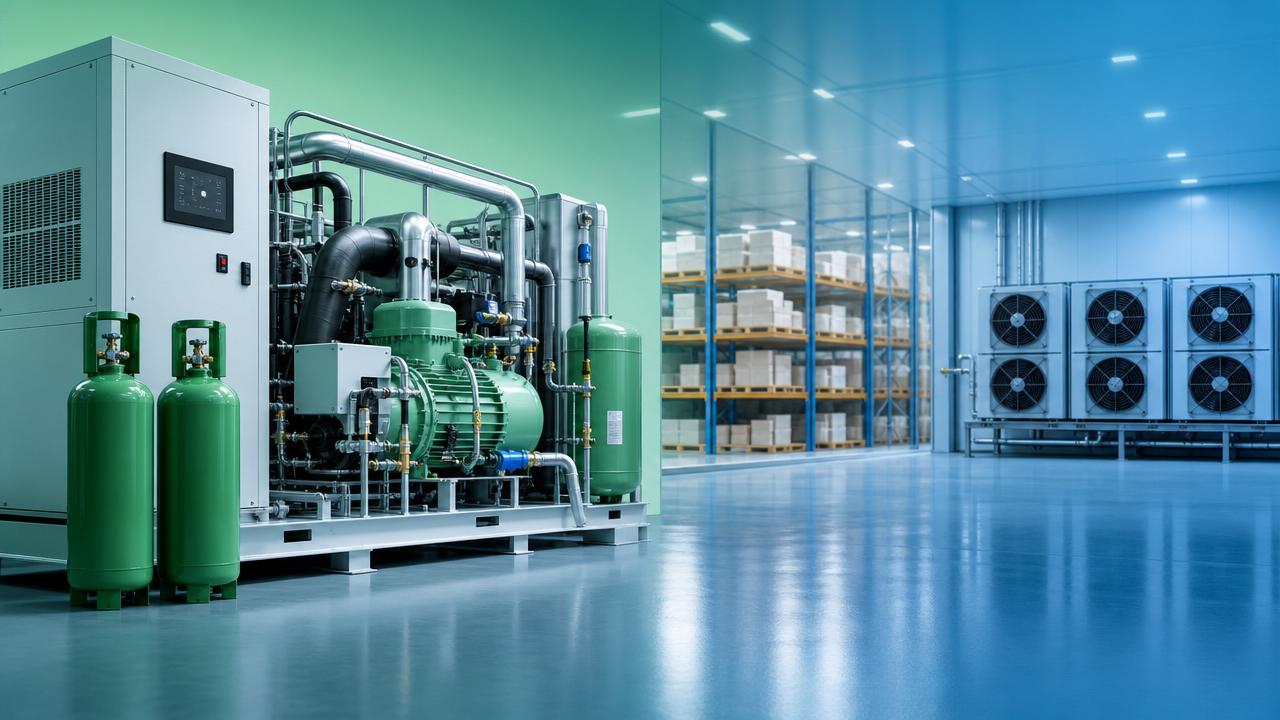
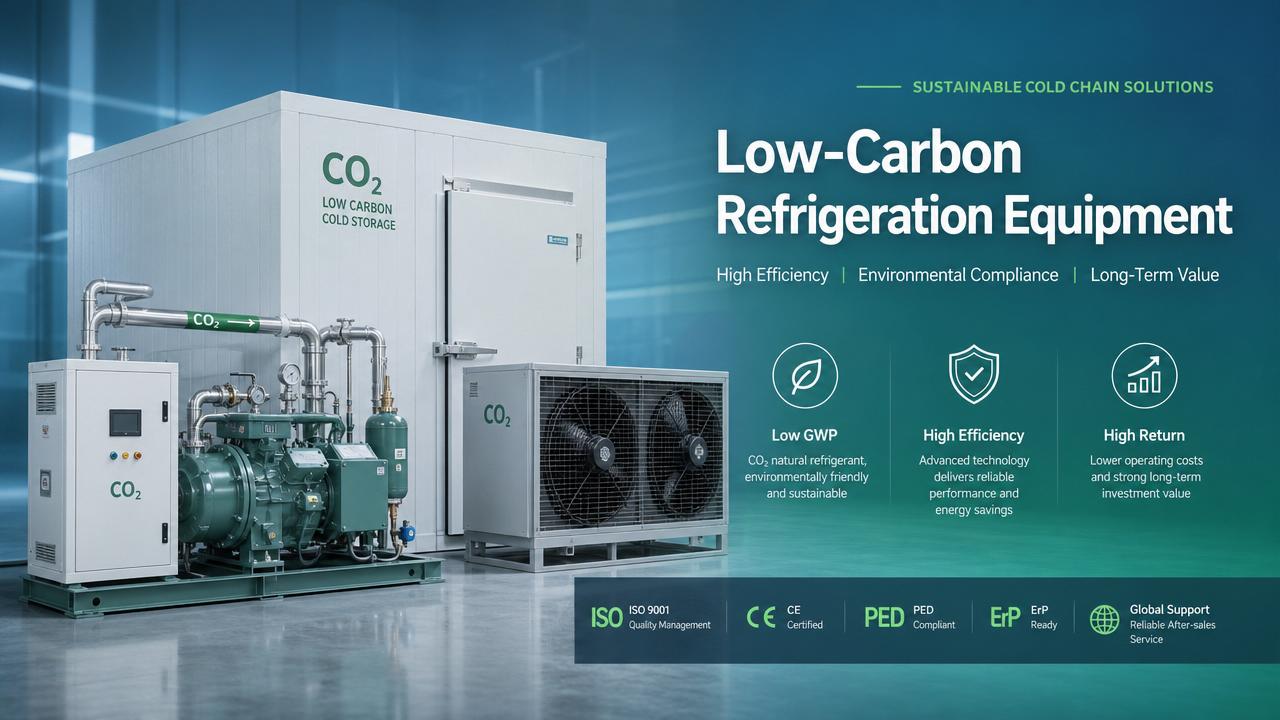
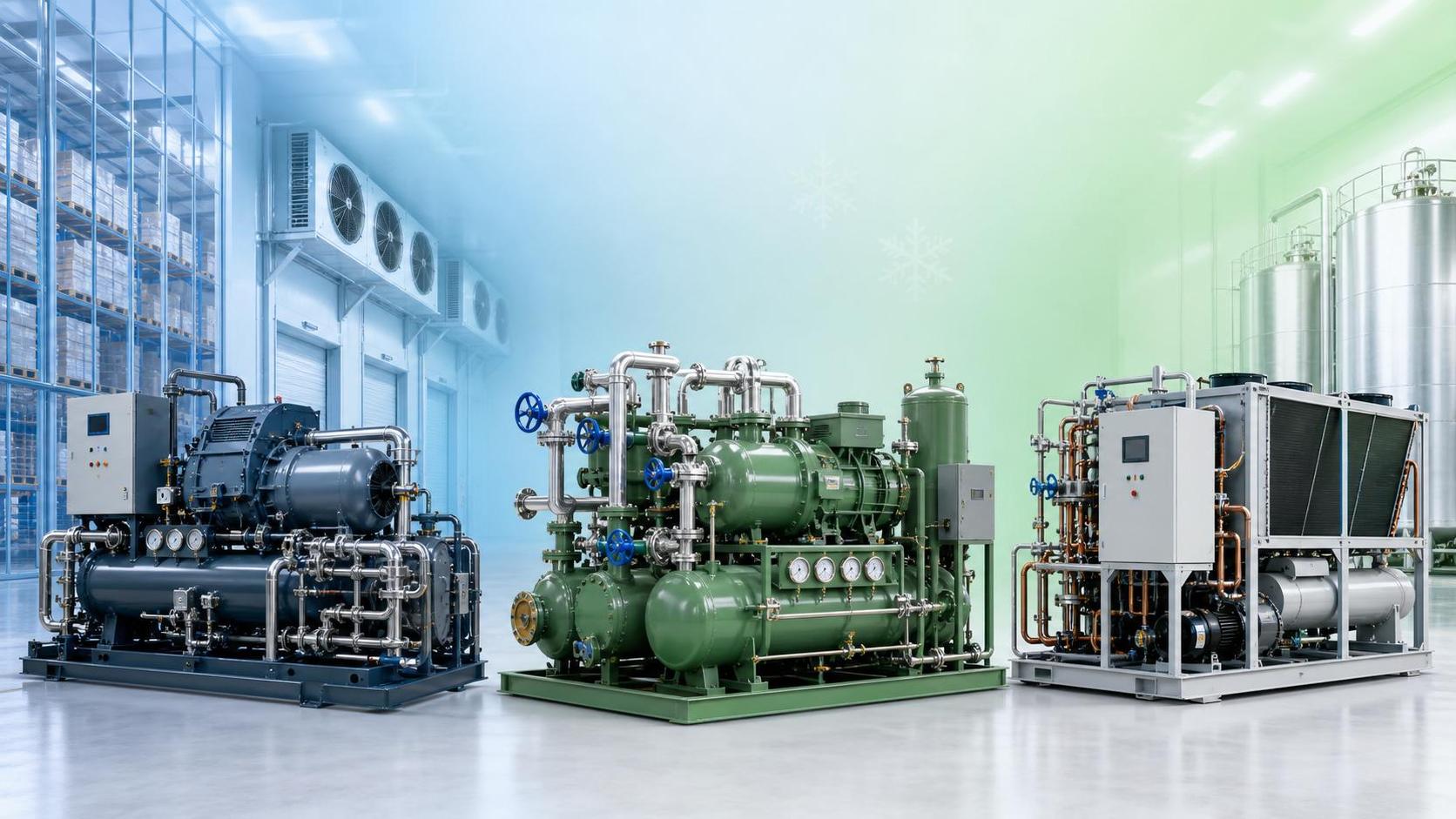
Natural refrigerants such as CO2, ammonia, hydrocarbons, and carefully applied low-GWP alternatives reduce dependence on substances targeted by F-Gas restrictions.
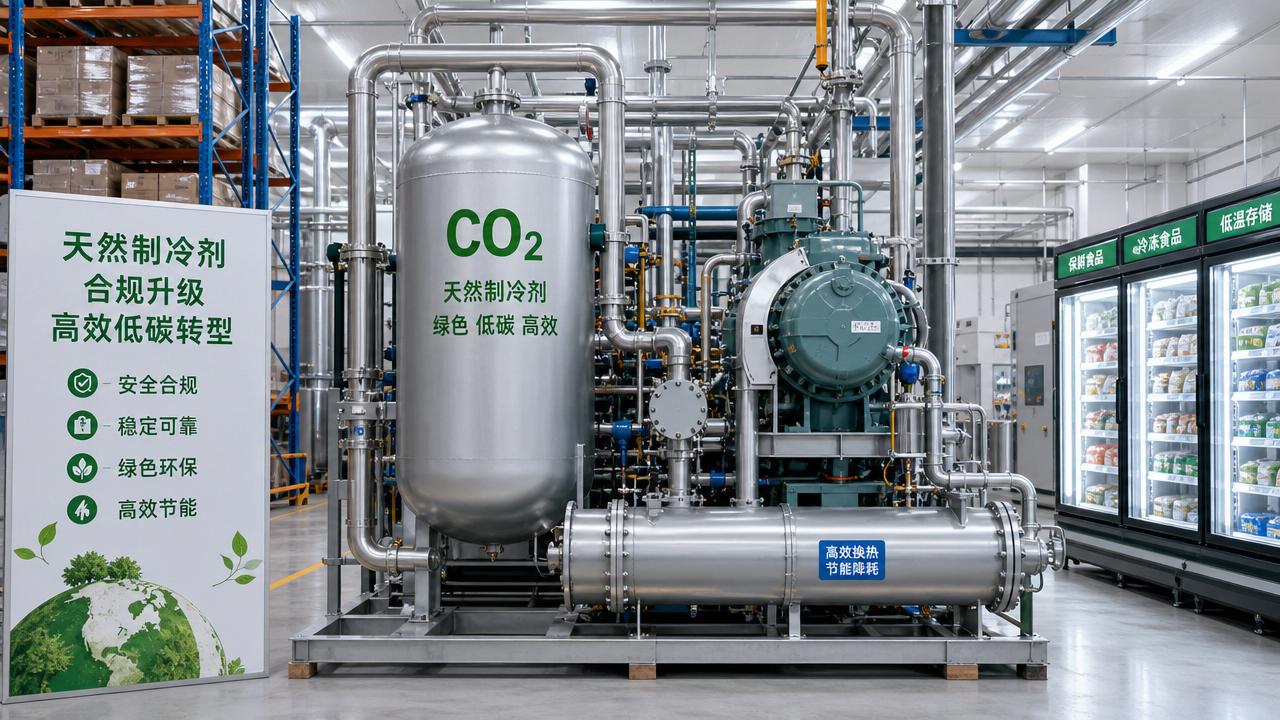
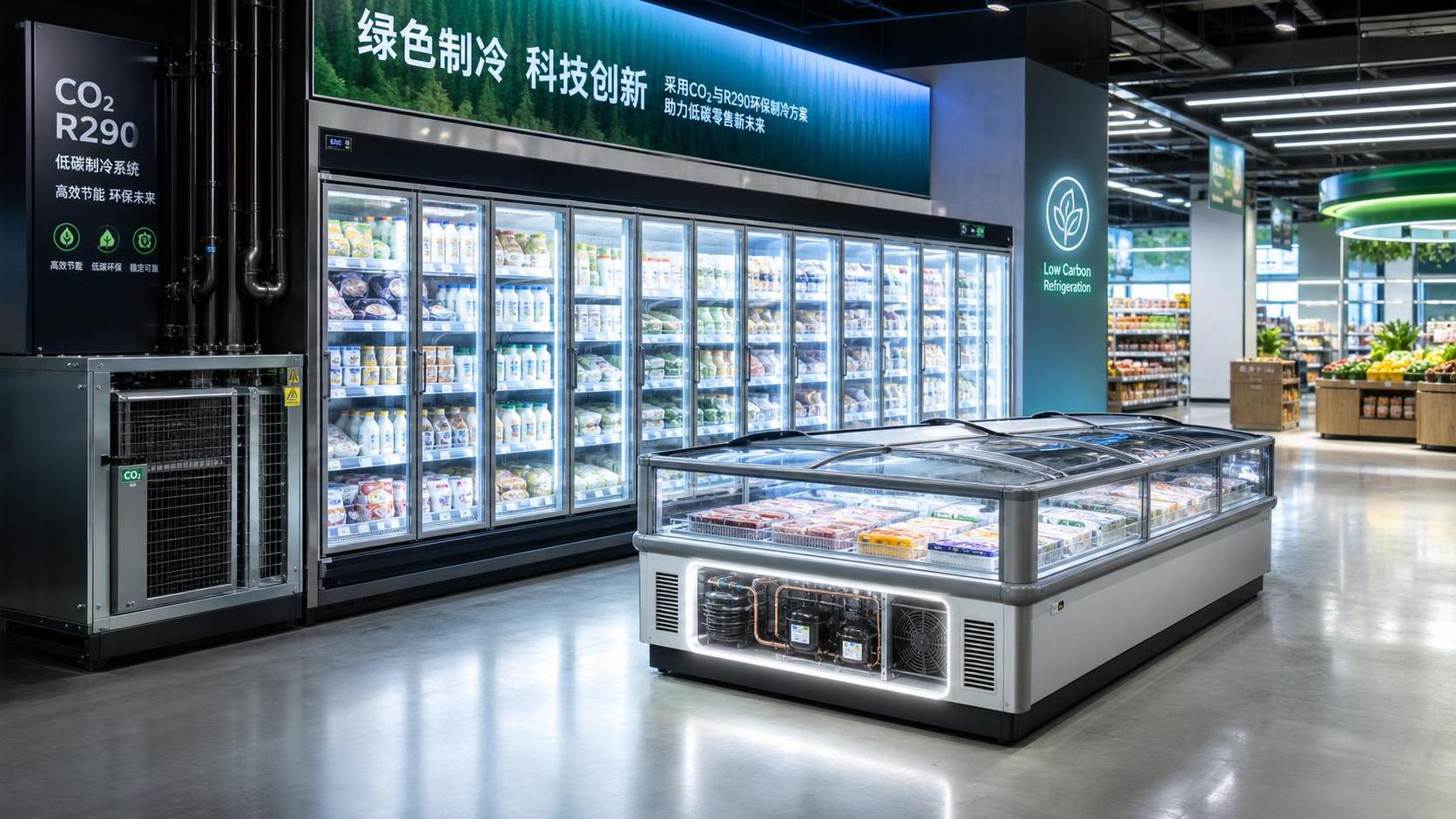
CO2 transcritical systems are increasingly relevant for retail and cold storage because they support low-GWP compliance while delivering strong temperature performance.
Ammonia remains highly effective in large industrial refrigeration where safety design, skilled operation, and regulatory controls are professionally managed.
Hydrocarbons can work well in compact commercial cabinets and certain self-contained systems, provided charge limits and safety standards are followed.
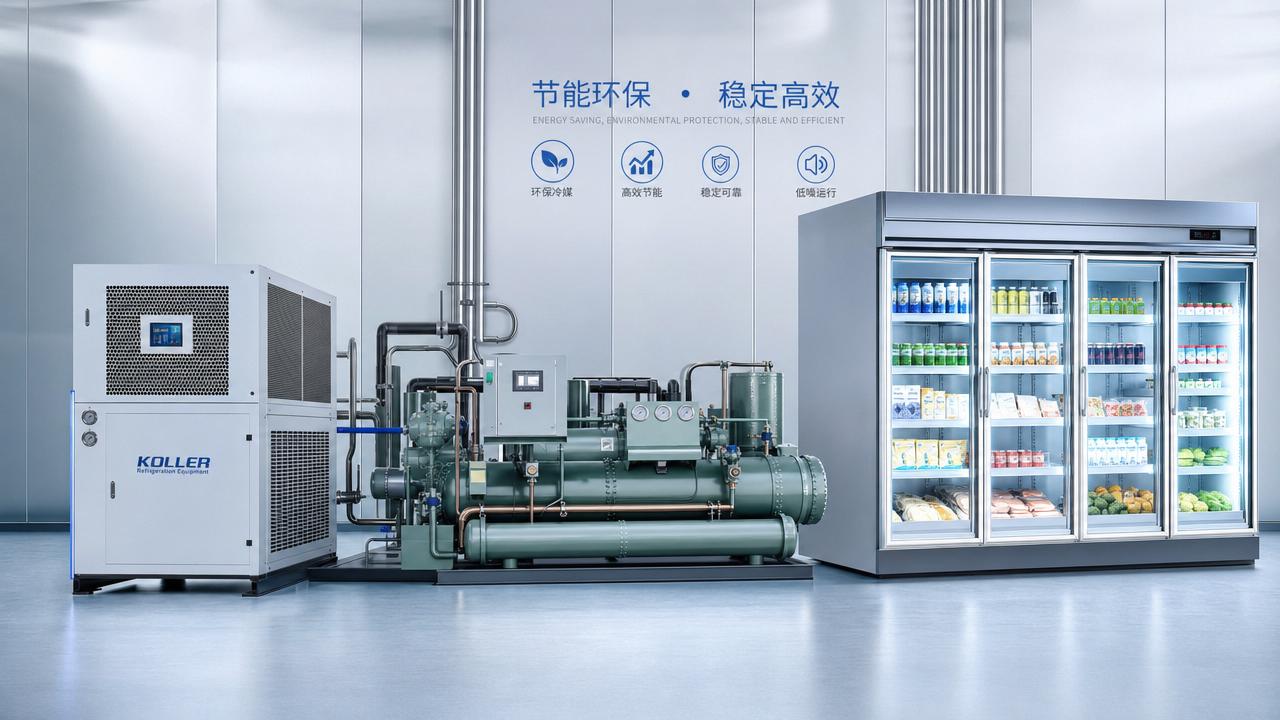
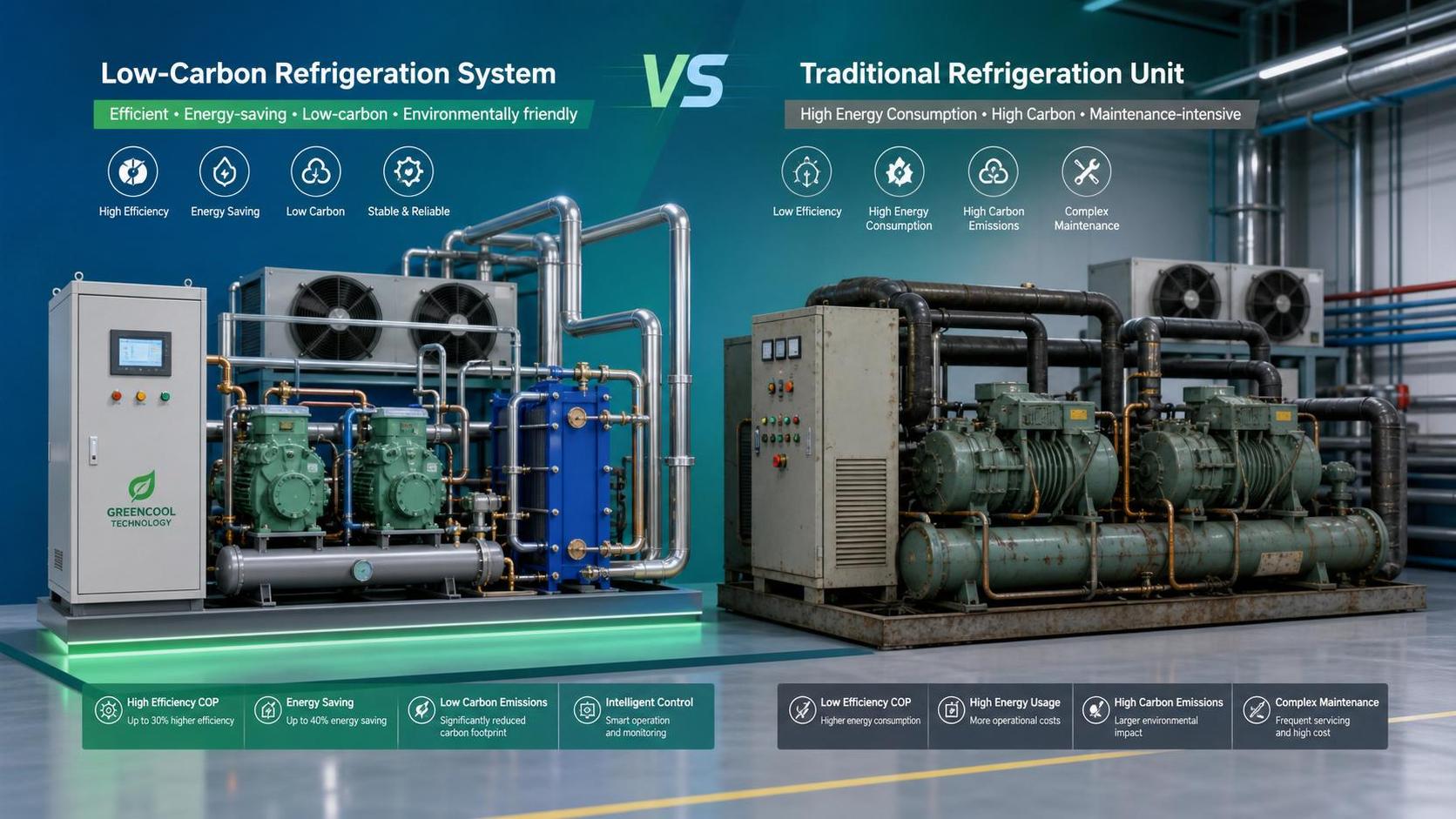
Beyond refrigerants, variable-speed compressors, magnetic bearing chillers, optimized condensers, heat recovery, and AI defrosting help reduce electricity demand.
Lower energy consumption supports compliance with building standards, carbon accounting requirements, customer audits, and internal emissions reduction targets.
The strongest projects combine refrigerant transition with efficiency upgrades, because regulators and customers increasingly examine total climate impact.
The business case goes beyond lower power bills
Energy savings are important, but they are only one part of the financial argument for low carbon cooling.
The larger business case includes avoided retrofit urgency, lower refrigerant procurement risk, reduced downtime exposure, and stronger qualification for premium contracts.
When refrigerants become scarce or heavily controlled, service costs can rise quickly and unpredictably, especially for older systems with leakage issues.
Modern low carbon systems can also improve temperature stability, helping reduce product loss in fresh food, seafood, meat, vaccines, and biological materials.
For cold storage operators, even a small improvement in temperature control can protect margins when inventory value is high.
For pharmaceutical and life science facilities, compliance failures can trigger batch loss, documentation problems, and reputational damage beyond direct energy expense.
In public tenders and multinational procurement, low carbon cooling can strengthen bid scoring because buyers increasingly evaluate lifecycle emissions.
The return on investment should therefore include avoided compliance disruption, contract retention, asset longevity, and brand credibility, not only kilowatt-hour reduction.
Which cooling assets should be prioritized
The first priority should be systems using high-GWP refrigerants, especially where leakage rates are high or servicing depends on restricted substances.
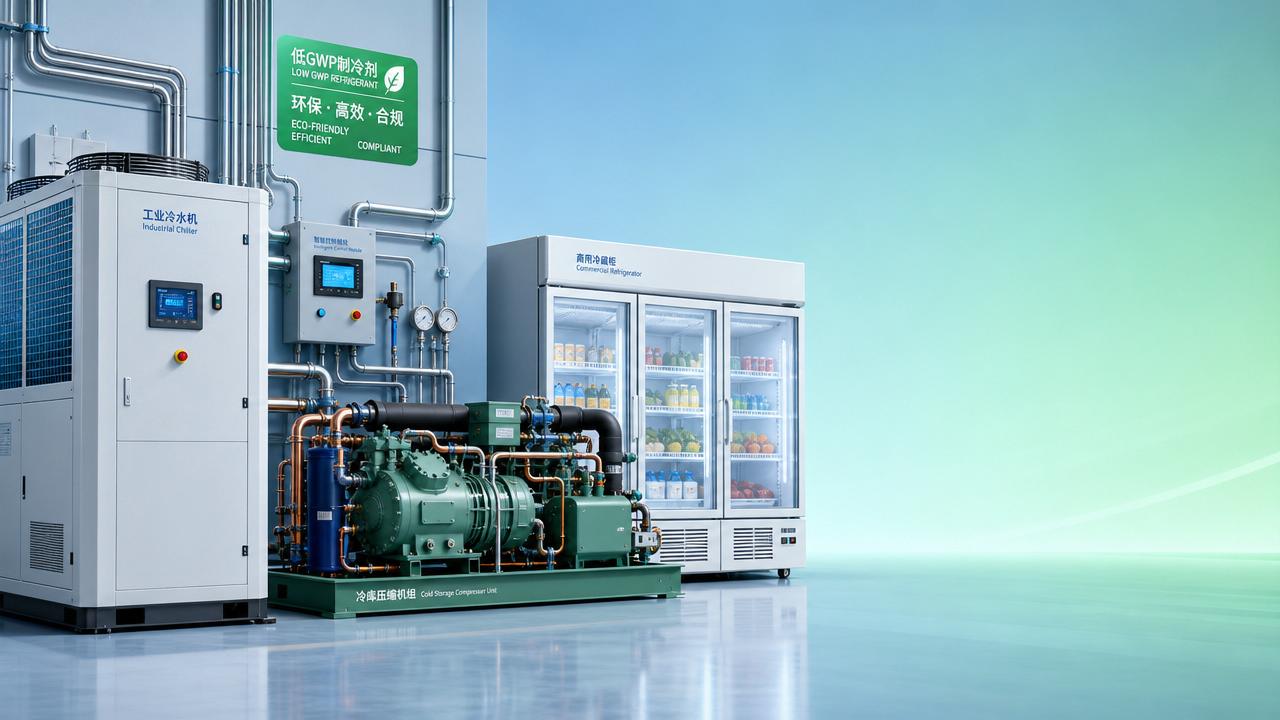
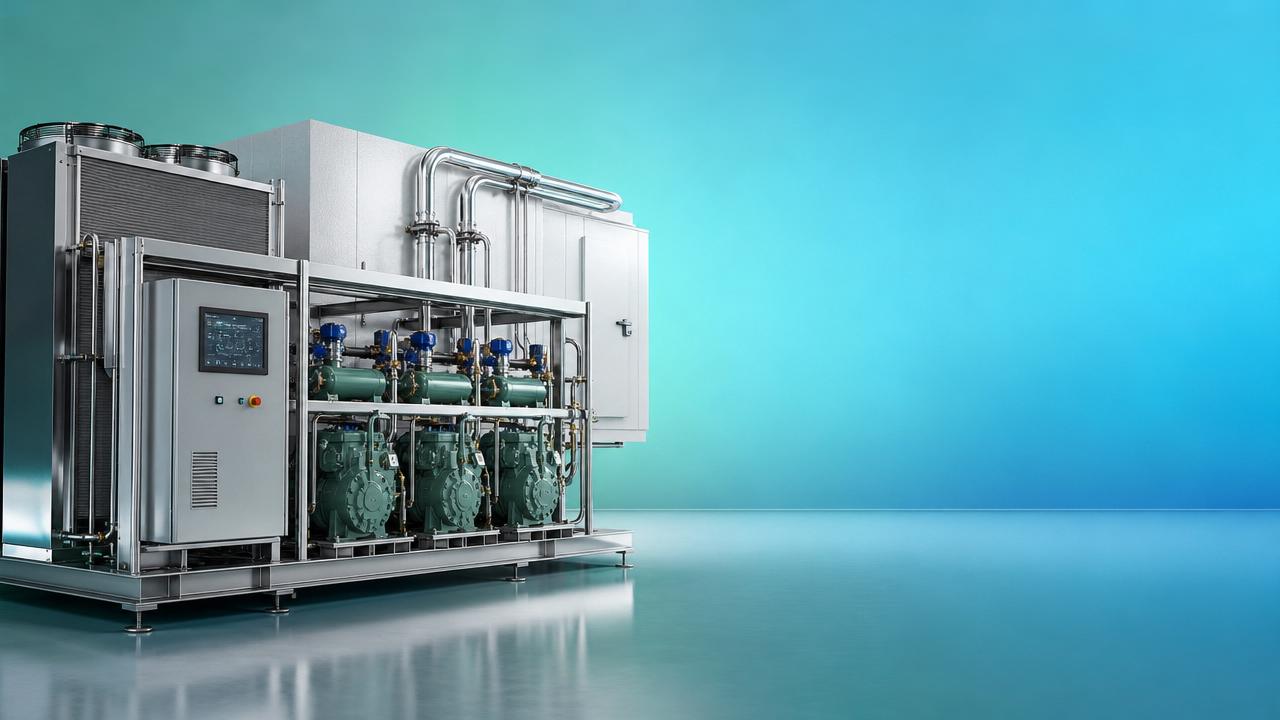
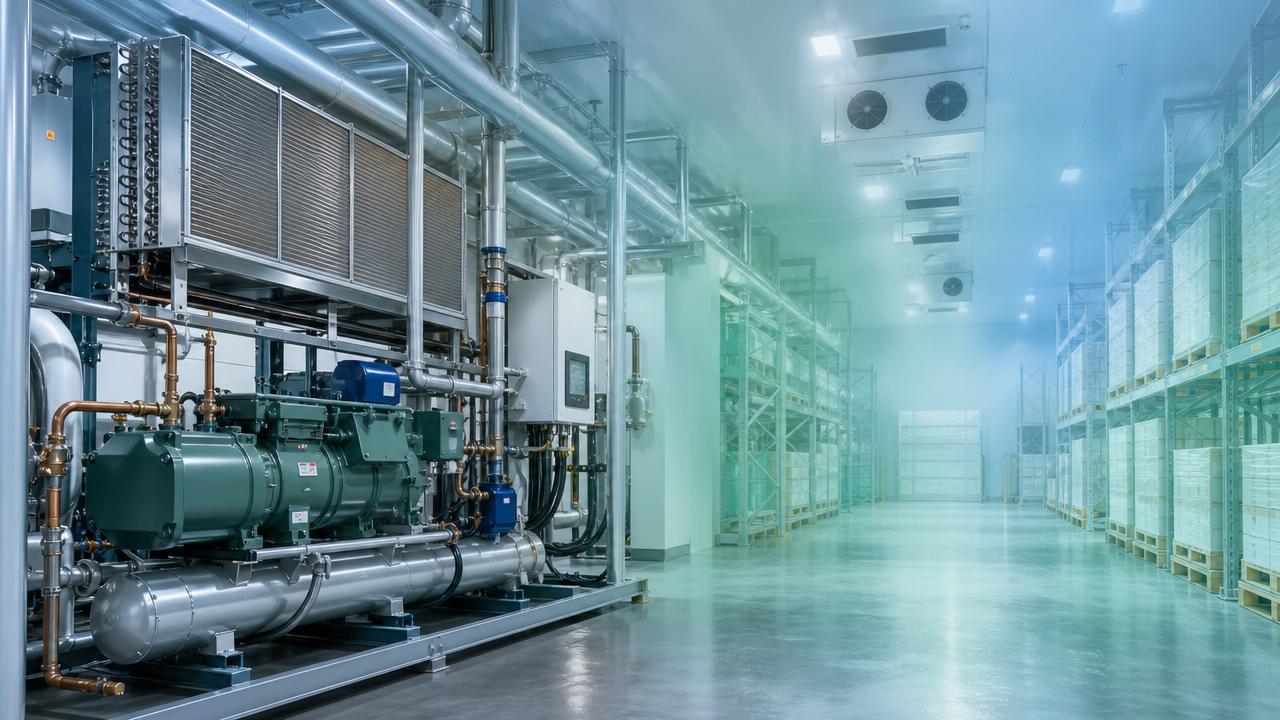
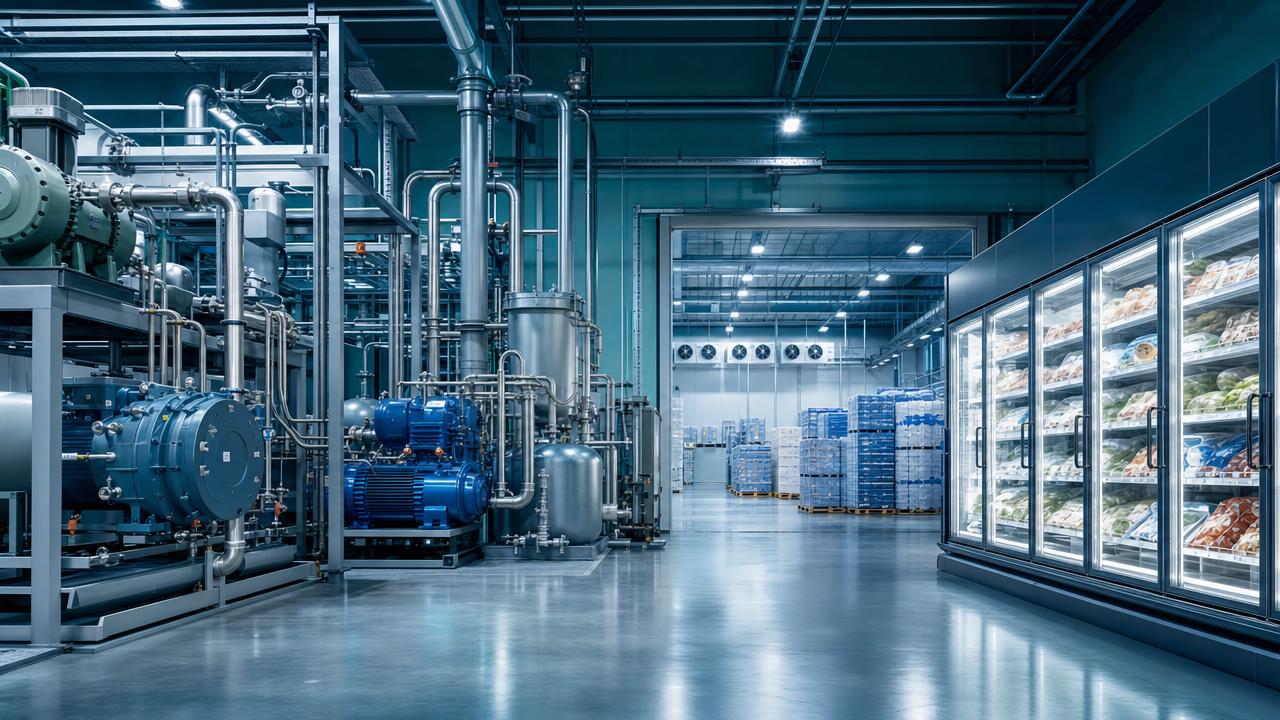
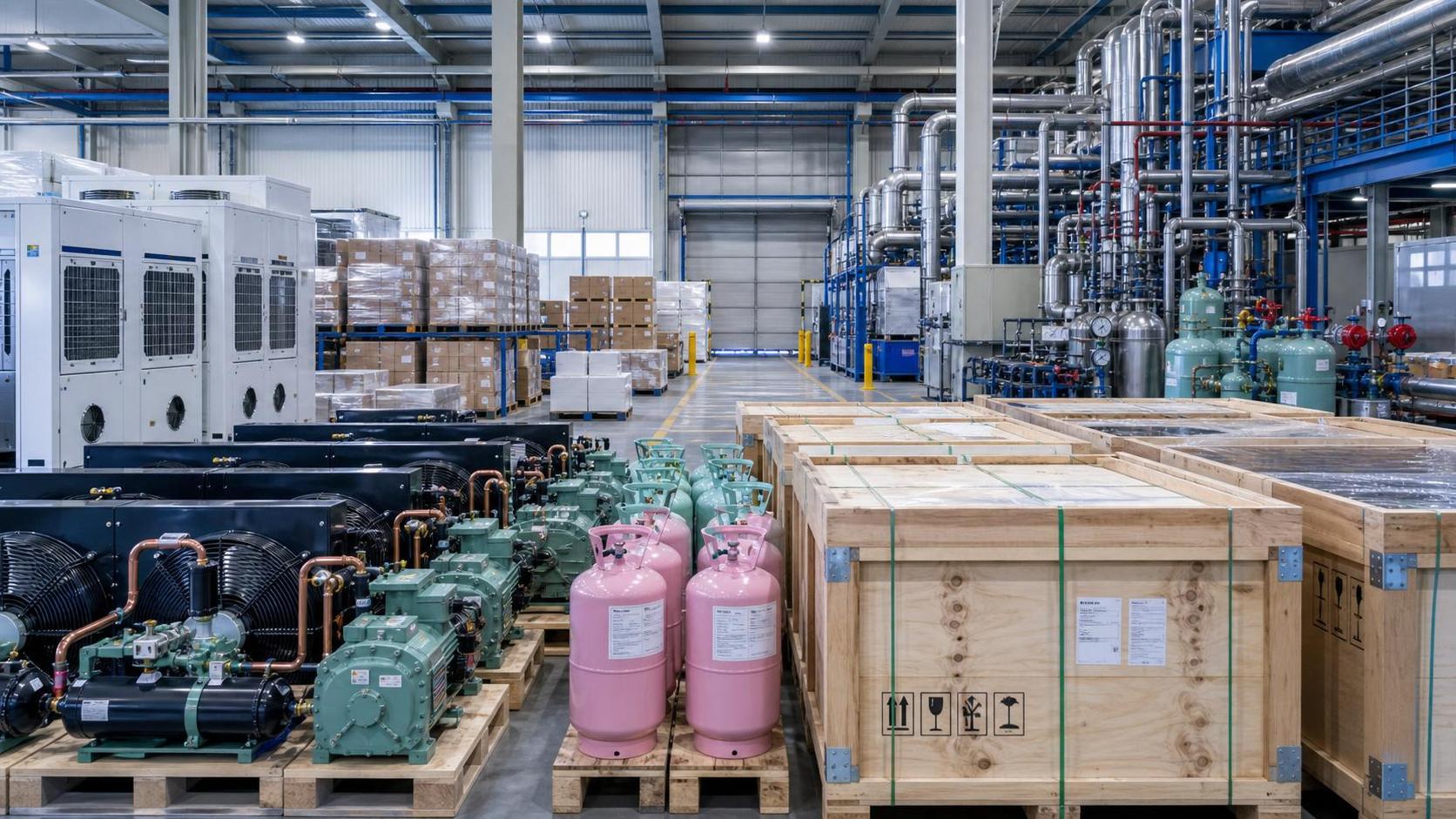
Cold storage compressor racks are often high-impact targets because they run continuously and protect large volumes of temperature-sensitive inventory.
Commercial refrigeration cabinets should be reviewed across store networks, since fragmented assets can create significant cumulative emissions and maintenance complexity.
Industrial chillers should be assessed where cooling downtime can halt production, damage molds, reduce laser precision, or compromise process stability.
Commercial ice machines deserve attention when they serve fisheries, construction, logistics, and food processing applications with high output and heavy energy loads.
Ultra-low temperature freezers should be evaluated carefully because they combine strict temperature requirements with high energy intensity and compliance sensitivity.
Executives should prioritize equipment that is business-critical, inefficient, refrigerant-exposed, difficult to service, or located in jurisdictions with aggressive regulation.
This prioritization prevents scattered spending and helps organizations build a phased transition plan aligned with capital budgets.
How to evaluate suppliers and avoid greenwashing
Not every low carbon cooling claim deserves confidence. Decision makers should require technical evidence, not broad sustainability language.
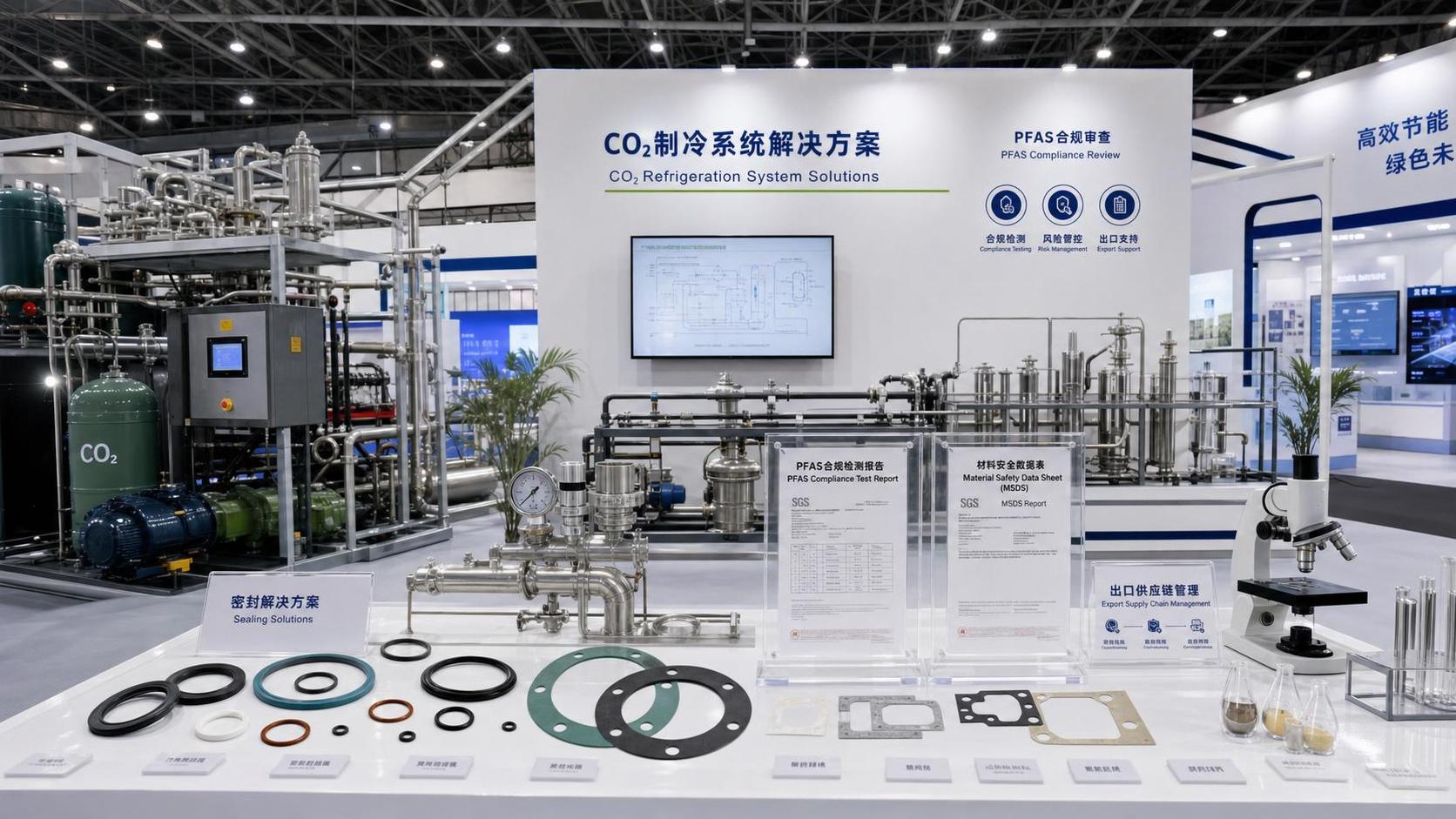
Useful evidence includes refrigerant GWP data, seasonal energy performance, leakage control design, compressor efficiency curves, and documented operating references.
For export-oriented buyers, suppliers should explain how equipment aligns with target-market refrigerant rules, safety codes, and efficiency certification requirements.
For cold-chain operators, vendors should demonstrate performance under realistic ambient temperatures, door-opening patterns, load fluctuations, and defrost cycles.
For industrial users, evaluation should include process stability, redundancy, part availability, service network depth, and integration with plant controls.
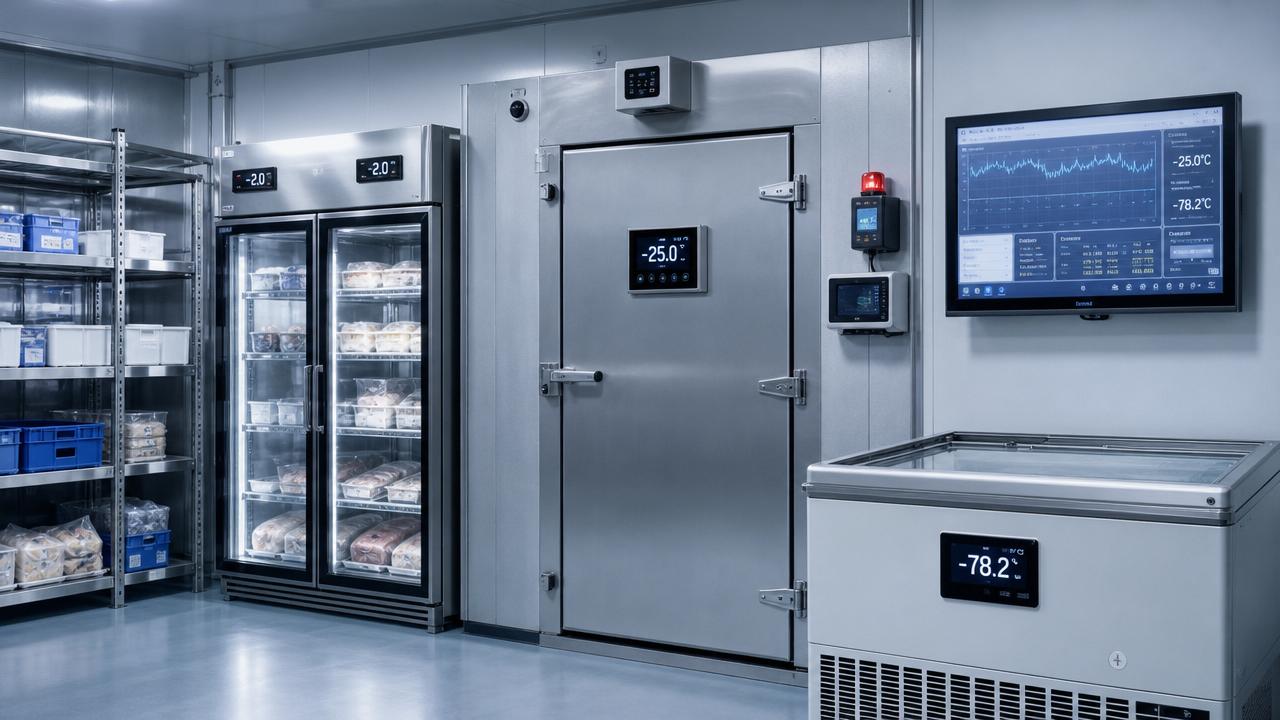
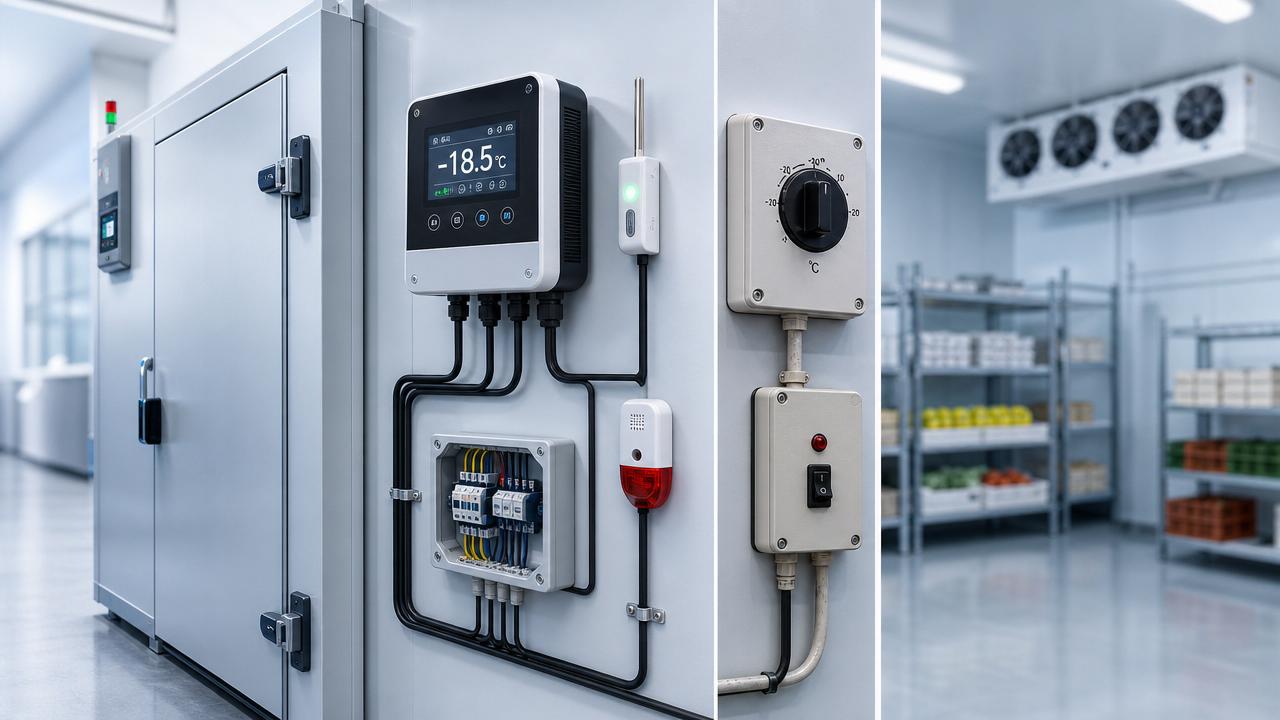
Digital monitoring is also important. Systems that track temperature, pressure, energy consumption, and alarms create evidence for audits and operational improvement.
Decision makers should avoid selecting equipment only on purchase price, because compliance risk often appears later in service, reporting, and replacement costs.
A credible supplier should help quantify lifecycle cost, emissions reduction, regulatory alignment, and operational risk before procurement approval.
Building a practical transition roadmap
A successful roadmap begins with an asset inventory covering refrigerant type, charge size, leakage rate, energy consumption, maintenance cost, and operating age.
The next step is regulatory screening. Each major market or facility location should be checked against upcoming refrigerant and energy requirements.
Companies should then classify systems into four groups: urgent replacement, planned retrofit, enhanced monitoring, and acceptable short-term operation.
Urgent replacements usually involve high leakage, high-GWP refrigerants, poor efficiency, or equipment that threatens compliance in near-term procurement cycles.
Planned retrofits can include compressor upgrades, controls optimization, heat exchanger improvements, refrigerant conversion, or cabinet replacement during store refurbishment.
Enhanced monitoring is useful where assets remain viable but need better data for reporting, energy management, and leak detection.
Short-term operation may be acceptable for newer efficient systems, provided refrigerant availability and service obligations remain manageable.
The roadmap should connect technical projects with financial planning, because cooling upgrades often compete with other capital investment priorities.
Where ROI is strongest in 2026
ROI is often strongest in facilities with continuous cooling loads, expensive electricity, strict temperature requirements, or high-value stored goods.
Cold storage hubs can gain from efficient compressor packs, evaporator optimization, intelligent defrosting, and heat recovery for ancillary processes.
Retail networks may benefit from cabinets with better air curtains, doors, lighting, anti-fog systems, and smart controls that reduce energy waste.
Industrial plants can reduce production risk by upgrading chillers to variable-frequency or magnetic bearing designs with better part-load performance.
Life science organizations can improve resilience by combining efficient ultra-low freezers with monitoring, redundancy planning, and validated temperature documentation.
Ice production facilities can benefit from improved evaporator design, condenser performance, and operational scheduling based on electricity tariffs.
In many cases, the best ROI appears when replacement is coordinated with expansion, refurbishment, capacity upgrades, or compliance-driven certification work.
This timing reduces installation disruption and allows organizations to treat decarbonization as part of strategic modernization.
The risks of delaying low carbon cooling decisions
Delay can feel financially conservative, but it may increase exposure when regulations tighten faster than capital planning cycles.
Companies that wait may face limited equipment availability, longer project lead times, higher service costs, and rushed procurement decisions.
They may also lose tender competitiveness if buyers require emissions data or low-GWP refrigeration as part of supplier qualification.
Older cooling systems can create hidden operational vulnerability through refrigerant leaks, inefficient defrosting, poor controls, and declining compressor reliability.
In sectors such as food, medicine, and high-end manufacturing, cooling failure is not a minor maintenance issue.
It can become a product safety event, contract breach, shipment delay, or regulatory documentation failure.
Delaying action also weakens internal reporting quality, because outdated systems often lack the monitoring required for reliable carbon and energy disclosure.
By contrast, early planning allows companies to negotiate better, phase investment rationally, and choose systems that match future compliance expectations.
What a board-level cooling decision should include
A board-level cooling decision should include risk, cost, compliance, operational continuity, and strategic market positioning.
The first question is whether existing systems expose the company to refrigerant bans, service restrictions, or customer emissions requirements.
The second question is whether energy performance supports long-term operating cost control and carbon disclosure obligations.
The third question is whether the selected technology fits the application, safety environment, workforce capability, and maintenance ecosystem.
The fourth question is whether the supplier can provide credible data, lifecycle modeling, and support across relevant operating regions.
The fifth question is whether the investment strengthens business competitiveness, including procurement eligibility, export access, resilience, and product protection.
When these questions are answered together, low carbon cooling becomes a governance decision rather than a facilities department upgrade.
This is the mindset enterprises need as refrigeration moves deeper into climate, safety, and supply-chain compliance frameworks.
Conclusion: low carbon cooling is a compliance shield
In 2026, low carbon cooling will help enterprises reduce regulatory uncertainty, improve energy performance, and protect access to demanding markets.
The strongest value comes from combining low-GWP refrigerants, efficient equipment, smart controls, monitoring, and a phased asset transition plan.
For decision makers, the practical task is clear: identify the riskiest cooling assets before regulation or customers force urgent action.
Companies that move early can turn refrigeration modernization into lower exposure, stronger bids, better resilience, and more predictable operating costs.
Cooling will remain essential to food, medicine, industry, retail, and advanced manufacturing. The difference is that compliance will define its future value.