Industry News
Curation by industry experts
Hot Articles
- Thermodynamic Tech TrendsHow to Size Heat Exchange Systems for Refrigeration Plants at Peak Load
- Parallel Compressor RacksHow to Size Reciprocating Compressors for Cold Storage Load and Temperature Range
- Flake Ice MachinesHow to Size a Commercial Ice Dispenser for Peak Demand in Foodservice Operations
Popular Tags
RACC 2026 to Host PFAS Compliance Briefing in Hangzhou
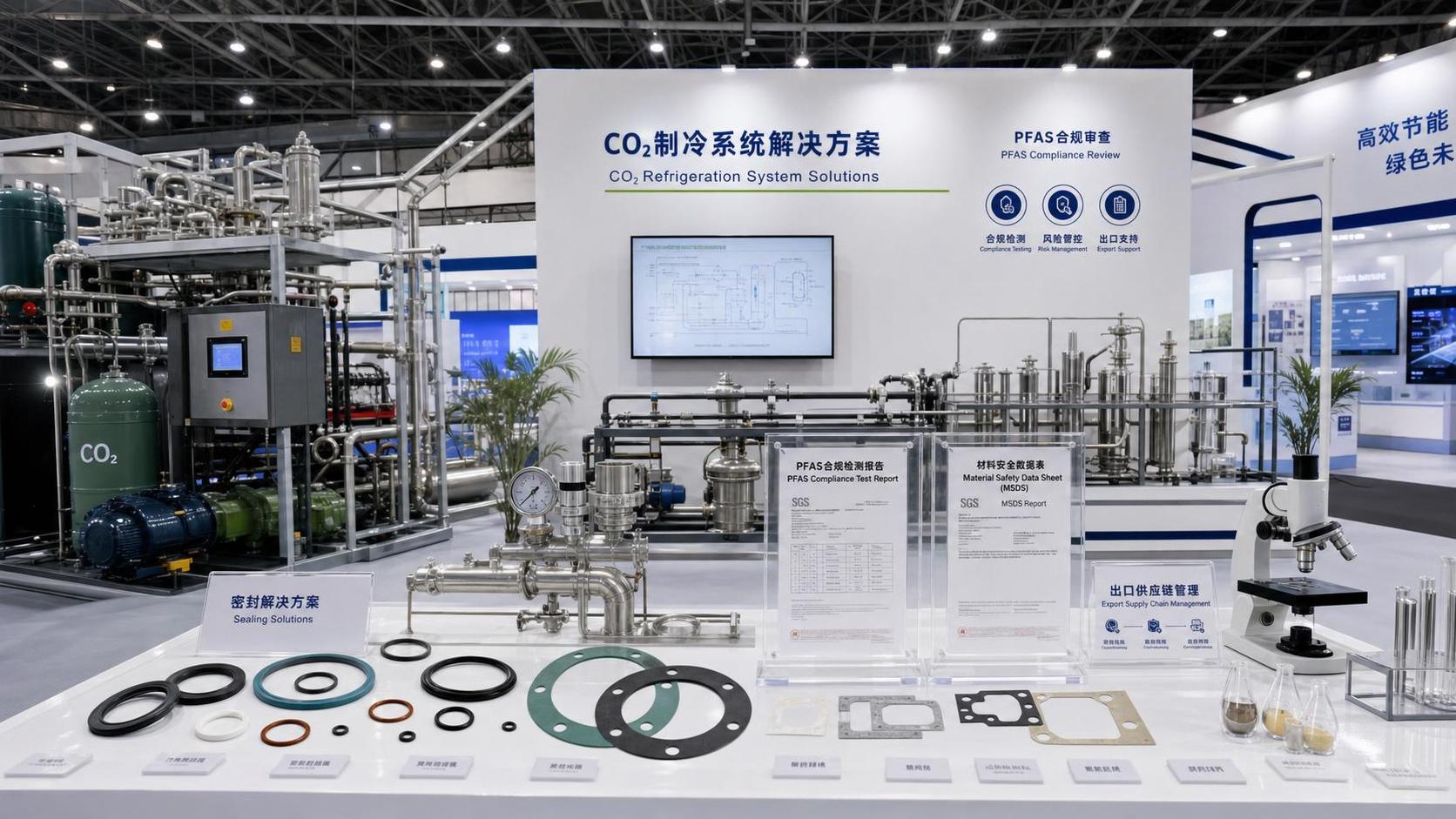
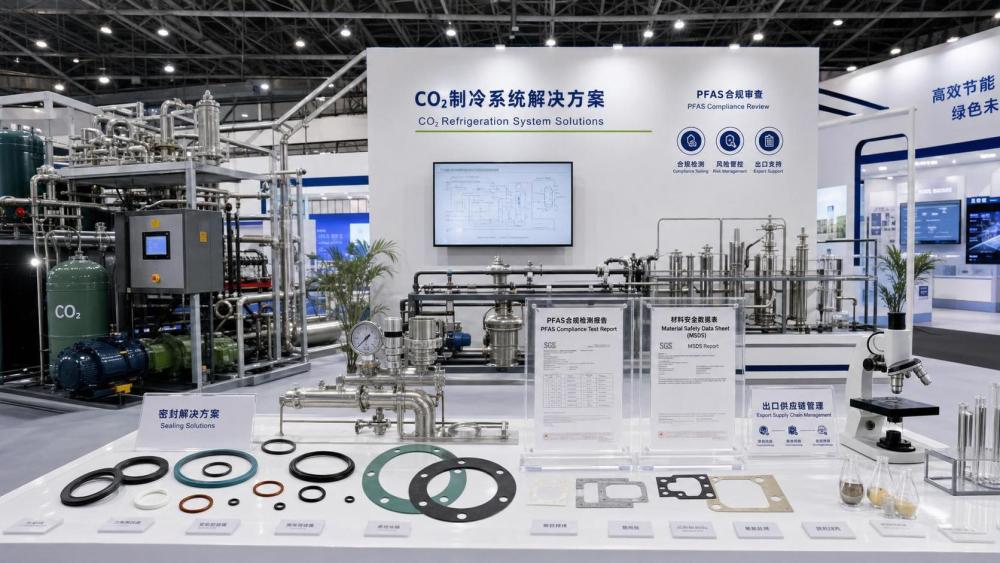
On October 22, 2026, attention around RACC 2026 in Hangzhou is not only on the exhibition itself, but also on a first-day closed-door session focused on REACH PFAS reporting duties for rubber seals and gaskets used in CO₂ systems. For refrigeration exporters, component suppliers, and compliance-facing sales teams serving the EU market, this is worth watching because it connects a trade event directly to practical compliance tools, including labeling templates, alternative-material reference lists, and access to rapid testing channels.
A trade show agenda shaped by compliance pressure
The 6th China International Air Conditioning, Ventilation, Refrigeration and Cold Chain Industry Exhibition (RACC 2026) is scheduled to take place from October 22 to 24, 2026 at Hangzhou Grand Convention and Exhibition Center.
The organizer, NürnbergMesse Group, together with the European Fluorocarbons Technical Committee (EFCTC), announced that a closed-door seminar titled REACH PFAS for Refrigeration will be held on the first day of the show.
The announced focus of that session is the PFAS substance reporting obligation for rubber seals and gaskets in CO₂ systems, following an expanded scope that took effect on July 1. The session is also intended to provide Chinese exporters with EU compliance label templates, a whitelist of alternative materials, and a connection pathway to rapid testing channels.
Where the impact may be felt first
Export-facing refrigeration manufacturers
From an industry perspective, manufacturers shipping refrigeration products or components to the EU may be affected first because seals and gaskets are small parts with outsized compliance implications. The main pressure point is likely to sit in export documentation, product configuration review, and pre-shipment customer communication.
Seal, gasket, and component supply chains
Analysis shows that suppliers of rubber-based parts may face closer scrutiny if downstream customers begin asking for clearer PFAS-related substance information. The practical impact is less about broad product messaging and more about material traceability, specification matching, and whether substitute options can be identified without disrupting delivery plans.
Trading companies and compliance service functions
For trading companies, sourcing intermediaries, and internal compliance teams, the development matters because the announced seminar is not limited to policy interpretation. It also points to operational tools such as label templates and testing access, which could affect how files are prepared, how supplier information is verified, and how quickly export questions are answered for EU-bound orders.
What companies should monitor now
How reporting duties are translated into documents
What deserves closer attention is the document layer of compliance. The mention of EU label templates suggests that the immediate business issue is not only substance awareness, but also how reporting obligations are expressed in files used for export and customer review.
Which parts in CO₂ systems require priority review
Observably, the session is narrowly framed around rubber seals and gaskets in CO₂ systems. Companies with relevant product lines may need to distinguish these parts from broader product families, so that internal review does not become too general or miss the specific items likely to trigger questions first.
How alternative materials are screened
The reference to a whitelist of alternative materials is a practical signal, but it should not be read as an automatic replacement path for every supplier or product. Companies should pay attention to how any substitute material aligns with existing procurement specifications, delivery timelines, and customer acceptance requirements.
Whether testing access changes response speed
The announced connection to rapid testing channels may matter most where exporters need to respond quickly to customer or market-entry questions. In practice, businesses should watch whether this creates a faster route for screening and document support, especially in cases where component-level clarification is required before shipment.
Why this looks like an early operational signal
Analysis shows that this development is more meaningful as an operational signal than as a final market outcome. The closed-door format, the narrow focus on seals and gaskets, and the inclusion of templates, material lists, and testing access all suggest that the issue is moving from general regulatory awareness into workflow-level preparation for export business.
It is more appropriate to understand this as a targeted short-term compliance signal with possible longer-term supply chain implications, rather than as proof of a fully settled industry standard. Continued attention is warranted because the immediate concern is execution: which parts are covered, how declarations are made, and how quickly exporters can align supplier data with EU-facing requirements.
How the industry may read this update
At this stage, the announcement around RACC 2026 is best read as a focused reminder that small refrigeration components can become a frontline compliance issue in cross-border trade. The value of the event-related session lies less in headline impact and more in whether it helps exporters, suppliers, and service teams narrow the gap between regulatory language and day-to-day export operations. For now, a measured reading is appropriate: this is a concrete signal to prepare, not a basis for broad conclusions beyond the information already announced.
Basis of this article and points for follow-up
This article is based on the user-provided news title, event date, and event summary. Information of this type is commonly cross-checked against sources such as official event announcements, company notices, industry association releases, coverage by authoritative trade media, and relevant standard or regulatory documents.
A specific official source link was not provided in the input, so further verification remains necessary. For follow-up, the key points to watch are any additional official wording on the seminar content, any clarification on the scope of the reporting obligation in refrigeration applications, and any practical details on the announced labeling, alternative-material, and testing support arrangements.
Recommended News
 Eco-Refrigerant & ComplianceF-Gas Regulations Are Changing Equipment Choices Faster Than ExpectedAnalyst :Dr. Henrik Weber
 Eco-Refrigerant & ComplianceEco-Friendly Refrigeration: What Looks Green but Performs Poorly?Analyst :Dr. Henrik Weber
 Eco-Refrigerant & ComplianceNatural Refrigerants: Are Compliance Benefits Worth the Transition Cost?Analyst :Dr. Henrik Weber
 Eco-Refrigerant & ComplianceWhat drives low carbon refrigeration adoption in 2026?Analyst :Dr. Henrik Weber
 Eco-Refrigerant & ComplianceEco-friendly cooling is changing compliance planning fastAnalyst :Dr. Henrik Weber
 Eco-Refrigerant & ComplianceLow carbon cooling trends that could reshape investmentsAnalyst :Dr. Henrik Weber
 Eco-Refrigerant & ComplianceHow F-Gas regulations are changing refrigerant decisionsAnalyst :Dr. Henrik Weber
 Eco-Refrigerant & ComplianceIs eco-friendly refrigeration worth the higher upfront costAnalyst :Dr. Henrik Weber
 Eco-Refrigerant & ComplianceWhy low carbon cooling is becoming a compliance priorityAnalyst :Dr. Henrik Weber
 Eco-Refrigerant & ComplianceLow carbon refrigeration options that cut long-term costsAnalyst :Dr. Henrik Weber
 Eco-Refrigerant & ComplianceWhat buyers miss when choosing eco-friendly refrigerationAnalyst :Dr. Henrik Weber
 Eco-Refrigerant & ComplianceWhy low carbon refrigeration is becoming a board issueAnalyst :Dr. Henrik Weber
 Eco-Refrigerant & ComplianceWhat F-Gas regulations mean for equipment choices in 2026Analyst :Dr. Henrik Weber
![]() Eco-Refrigerant & ComplianceIndonesia Launches Green Refrigeration Channel for R290 Cold CabinetsAnalyst :Dr. Henrik Weber
Eco-Refrigerant & ComplianceIndonesia Launches Green Refrigeration Channel for R290 Cold CabinetsAnalyst :Dr. Henrik Weber Eco-Refrigerant & ComplianceWhy low carbon cooling is becoming a safer long betAnalyst :Dr. Henrik Weber
 Eco-Refrigerant & ComplianceWhat makes eco-friendly cooling cheaper over time?Analyst :Dr. Henrik Weber
 Eco-Refrigerant & ComplianceF-Gas regulations are changing how cooling gets approvedAnalyst :Dr. Henrik Weber
 Eco-Refrigerant & ComplianceHow eco-friendly refrigeration cuts compliance riskAnalyst :Dr. Henrik Weber
 Eco-Refrigerant & ComplianceHow low carbon cooling cuts compliance risk in 2026Analyst :Dr. Henrik Weber
 Eco-Refrigerant & ComplianceLow Carbon Refrigeration: Compare Refrigerants, Energy Use, and ComplianceAnalyst :Dr. Henrik Weber
 Eco-Refrigerant & ComplianceEco-Friendly Cooling Options: Refrigerants, Efficiency, and Compliance ChecksAnalyst :Dr. Henrik Weber
![]() Eco-Refrigerant & ComplianceWhat Are Natural Refrigerants? Types, GWP Limits, and Where They Fit BestAnalyst :Dr. Henrik Weber
Eco-Refrigerant & ComplianceWhat Are Natural Refrigerants? Types, GWP Limits, and Where They Fit BestAnalyst :Dr. Henrik Weber Eco-Refrigerant & ComplianceEco-Friendly Cooling vs Conventional Systems: What Buyers Should Compare FirstAnalyst :Dr. Henrik Weber
 Eco-Refrigerant & ComplianceEco-Friendly Refrigeration vs Conventional Systems: Refrigerants, Energy Use, and ComplianceAnalyst :Dr. Henrik Weber
 Eco-Refrigerant & ComplianceLow Carbon Refrigeration: Key Standards, Refrigerant Options, and ROI FactorsAnalyst :Dr. Henrik Weber
 Eco-Refrigerant & ComplianceTemperature Control Standards for Food Storage: Critical Limits, Logging, and Audit ChecksAnalyst :Dr. Henrik Weber
 Eco-Refrigerant & ComplianceLow Carbon Cooling Options Explained: Refrigerants, Compliance, and System Trade-OffsAnalyst :Dr. Henrik Weber
 Eco-Refrigerant & ComplianceDigital Refrigeration vs Conventional Controls: What Improves Monitoring and Compliance?Analyst :Dr. Henrik Weber
 Eco-Refrigerant & ComplianceLow Carbon Cooling Options for Commercial Refrigeration: CO2, Ammonia, and Hybrid SystemsAnalyst :Dr. Henrik Weber
 Eco-Refrigerant & ComplianceLow Carbon Cooling Options Compared: CO2, Ammonia, and HFO Systems for ComplianceAnalyst :Dr. Henrik Weber
 Eco-Refrigerant & ComplianceIndustrial Refrigeration Systems Buying Guide: Lifecycle Cost, Efficiency, and ComplianceAnalyst :Dr. Henrik Weber
 Eco-Refrigerant & ComplianceEco-Friendly Cooling Options: Refrigerants, Energy Use, and Compliance Factors ComparedAnalyst :Dr. Henrik Weber
 Eco-Refrigerant & ComplianceNatural Refrigerants vs HFCs: How to Compare Compliance, Safety, and System DesignAnalyst :Dr. Henrik Weber
 Eco-Refrigerant & ComplianceHow to Read Specification-Oriented Product Guides for Refrigeration EquipmentAnalyst :Dr. Henrik Weber
 Eco-Refrigerant & ComplianceLow Carbon Refrigeration Options for Supermarkets: CAPEX, Energy Use, and Compliance ComparedAnalyst :Dr. Henrik Weber
 Eco-Refrigerant & ComplianceRACC 2026 to Host PFAS Compliance Briefing in HangzhouAnalyst :Dr. Henrik Weber
 Eco-Refrigerant & ComplianceEPA Rule Challenge Raises HFC Supply Chain ConcernsAnalyst :Dr. Henrik Weber
 Eco-Refrigerant & ComplianceLow Carbon Refrigeration Systems vs Conventional Setups: Which Delivers Lower Lifecycle Cost?Analyst :Dr. Henrik Weber
 Eco-Refrigerant & ComplianceLow GWP Refrigeration Explained: Refrigerants, Regulations, and System Trade-OffsAnalyst :Dr. Henrik Weber
 Eco-Refrigerant & ComplianceLow Carbon Refrigeration Systems Retrofit: When to Upgrade and Which Changes Matter MostAnalyst :Dr. Henrik Weber