Industry News
Curation by industry experts
Hot Articles
Popular Tags
Danfoss and Engie Partner to Develop an R600a Chiller
Danfoss and Engie Refrigeration have announced a collaboration to develop a high-performance chiller using R600a, or isobutane, a natural refrigerant. The event date is not specified in the information provided. The project addresses increasingly stringent environmental compliance requirements worldwide, although no specific regulatory change is identified. For equipment manufacturers, buyers and service providers, the announcement raises practical questions about how low-global-warming-potential (GWP) refrigerant choices may affect product design, purchasing, documentation and delivery.
A shared R600a development project
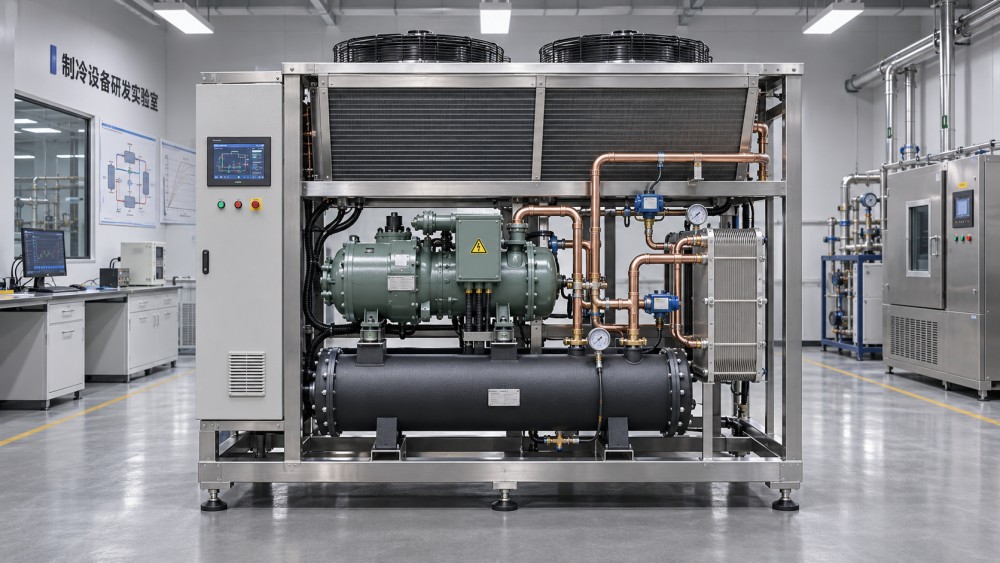
Danfoss and Engie Refrigeration announced that they are working together on a high-performance R600a chiller. Their collaboration is intended to advance the use of natural refrigerants in commercial cooling equipment and explore both a low-GWP technical approach for chillers and options for improving energy efficiency. The stated aim includes responding to increasingly stringent global environmental compliance requirements. The information provided does not specify when the announcement was made.
Beyond the stated development objective, the input does not identify a product release date, performance results, certification status or target market. It also does not name a particular law, standard or regulatory authority associated with the project.
Where a refrigerant choice can affect the supply chain
Equipment design and component selection
From an industry perspective, the significance of the collaboration lies partly in the connection between refrigerant selection and the rest of a chiller's design. Manufacturers considering an R600a system may need to assess whether components, operating conditions and system performance are suitable for the intended application. Those decisions can affect engineering specifications and the evidence needed to support a product offered to customers.
Analysis suggests that suppliers may face more detailed requests for component compatibility information and technical documentation if a buyer evaluates an R600a design. Such requests would depend on the product and the applicable market requirements; the announcement itself does not establish any new supplier obligation. Nor does it show that the companies have selected particular components or completed a design.
Purchasing and project specifications
For buyers and equipment integrators, a low-GWP refrigerant option could add another dimension to procurement decisions. A purchaser may wish to compare the proposed refrigerant, expected efficiency and operating conditions alongside the documentation needed for the intended installation. A low-GWP description alone would not establish that a particular unit meets a project's performance or compliance criteria.
Where equipment is procured through technical specifications or tenders, analysis suggests that the treatment of refrigerant choice may influence how competing solutions are evaluated. Buyers could check whether their documents describe the required performance and evidence clearly enough to assess a proposed design. The input does not state that any tender requirements have changed or that this chiller is available for purchase.
Testing, delivery and service planning
Testing and certification providers may eventually be asked to assess evidence relevant to an R600a chiller, depending on the product and the requirements in its intended market. Equipment suppliers and project teams may also need to coordinate the documents provided with a unit, the conditions under which it will operate and any information needed by those responsible for installation and service.
These are potential work streams, not confirmed outcomes of the announced project. The input supplies no test results, certification decisions or delivery arrangements. For service providers, early discussion of refrigerant-specific procedures and the information accompanying equipment could help identify questions that need to be resolved before a product is accepted into a project.
What companies can check as the design develops
Identify the applicable requirements
The announcement describes a response to environmental compliance pressure but does not identify a new rule or give its effective date. Companies evaluating a similar chiller can therefore start by identifying the requirements applicable to their own product, use and intended market, then verify whether those requirements address the proposed refrigerant and equipment configuration. They should distinguish a confirmed requirement from a customer's preference or an anticipated change.
Because the input names no standard or certification scheme, it would be premature to infer which approval applies. A useful next step is to seek the relevant official text or certification guidance and check whether any interpretation, transition arrangement or supporting evidence is specified. This is a due-diligence recommendation, not a statement that a particular approval has already been mandated for the announced unit.
Ask for evidence tied to the proposed design
For procurement and technical teams, the most useful documentation would be evidence that can be connected to the actual equipment and its intended operating conditions. Depending on the transaction, this may include a product specification, the basis for efficiency claims, refrigerant information and available test or certification records. If a document is not yet available, the parties can record that gap and agree when it should be resolved.
Analysis suggests that separating a development objective from a verified product claim is especially relevant here. The companies intend to explore energy-efficiency optimization, but the input provides no measured efficiency figure or comparison. Buyers assessing future offers can ask what has been tested, under which conditions and whether the results correspond to the configuration being purchased.
Align suppliers, delivery and service information
A purchaser considering a low-GWP chiller can discuss component suitability and documentation with prospective suppliers early in the process. If a project depends on a specific refrigerant or performance requirement, the purchase specification can identify what information is needed before an order, acceptance or delivery decision. The appropriate timing will depend on the contract and the maturity of the equipment design.
Project teams may also want to review what installation and service information would be needed for the intended use. This can include clarifying who will provide technical instructions and how any unresolved compliance or performance questions will be handled. The announcement does not establish a delivery schedule, a service model or a change to existing contracts.
Compare alternatives on a consistent basis
Where buyers are considering alternative cooling solutions, analysis suggests using the same stated operating conditions and project requirements when comparing them. Refrigerant choice, expected energy performance, supporting evidence and service arrangements can then be assessed together. This approach can expose missing information without assuming that any one design is suitable for every application.
For suppliers, a comparison also creates an opportunity to identify which claims remain provisional. Until product specifications and test evidence are available, the announced R600a project is better treated as a development initiative than as a validated substitute for a particular existing unit.
A development signal while rule details remain open
In editorial assessment, this announcement is best understood as a technology development signal associated with environmental compliance pressures, rather than evidence that a new rule has taken effect. The input states the direction of those pressures but does not establish a specific policy change, implementation timetable or certification outcome. It therefore cannot support a conclusion that buyers must switch refrigerants or that a defined market requirement has changed.
What deserves closer attention is the relationship between future product evidence and the rules applicable to each intended use. Further company announcements could clarify the design, performance and availability of the chiller. Official regulatory texts, standard-setting documents and certification guidance could separately clarify which requirements apply and how they are interpreted. Changes in procurement documents and feedback from equipment users would also help show whether and how the development affects commercial decisions.
Those sources may answer different questions. A company announcement can describe a product or project, while the applicable rule or certification guidance is needed to assess a compliance obligation. Analysis suggests that treating these streams of information separately will help businesses avoid turning an engineering announcement into an assumption about legal implementation.
Keeping the R600a announcement in perspective
The collaboration places a low-GWP natural refrigerant and energy-efficiency work within the same chiller development effort. Its practical significance for the wider supply chain will depend on details that are not yet provided, including the equipment's specifications, supporting evidence and the requirements applicable to its intended use.
For now, businesses can use the announcement as a prompt to review their own specifications, documentation needs and verification processes. It is a development to monitor, with compliance and purchasing decisions grounded in confirmed product information and the rules relevant to each transaction.
Basis for this report and further verification
This article is based on the user-provided news title, event-time information and event summary. The event time was stated to be unspecified. No specific official source link was provided in the input, and the announcement and subsequent details still require verification. Relevant sources to consult may include official company announcements, regulatory publications, standards documents, certification guidance and authoritative industry reporting. Further monitoring should cover policy details, certification interpretations, procurement specifications, implementation in trade where relevant, and feedback from companies and equipment users.
Recommended News
 Eco-Refrigerant & ComplianceF-Gas Regulations Are Changing Equipment Choices Faster Than ExpectedAnalyst :Dr. Henrik Weber
 Eco-Refrigerant & ComplianceEco-Friendly Refrigeration: What Looks Green but Performs Poorly?Analyst :Dr. Henrik Weber
 Eco-Refrigerant & ComplianceNatural Refrigerants: Are Compliance Benefits Worth the Transition Cost?Analyst :Dr. Henrik Weber
 Eco-Refrigerant & ComplianceWhat drives low carbon refrigeration adoption in 2026?Analyst :Dr. Henrik Weber
 Eco-Refrigerant & ComplianceEco-friendly cooling is changing compliance planning fastAnalyst :Dr. Henrik Weber
 Eco-Refrigerant & ComplianceLow carbon cooling trends that could reshape investmentsAnalyst :Dr. Henrik Weber
 Eco-Refrigerant & ComplianceHow F-Gas regulations are changing refrigerant decisionsAnalyst :Dr. Henrik Weber
 Eco-Refrigerant & ComplianceIs eco-friendly refrigeration worth the higher upfront costAnalyst :Dr. Henrik Weber
 Eco-Refrigerant & ComplianceWhy low carbon cooling is becoming a compliance priorityAnalyst :Dr. Henrik Weber
 Eco-Refrigerant & ComplianceLow carbon refrigeration options that cut long-term costsAnalyst :Dr. Henrik Weber
 Eco-Refrigerant & ComplianceWhat buyers miss when choosing eco-friendly refrigerationAnalyst :Dr. Henrik Weber
 Eco-Refrigerant & ComplianceWhy low carbon refrigeration is becoming a board issueAnalyst :Dr. Henrik Weber
 Eco-Refrigerant & ComplianceWhat F-Gas regulations mean for equipment choices in 2026Analyst :Dr. Henrik Weber
![]() Eco-Refrigerant & ComplianceIndonesia Launches Green Refrigeration Channel for R290 Cold CabinetsAnalyst :Dr. Henrik Weber
 Eco-Refrigerant & ComplianceWhy low carbon cooling is becoming a safer long betAnalyst :Dr. Henrik Weber
 Eco-Refrigerant & ComplianceWhat makes eco-friendly cooling cheaper over time?Analyst :Dr. Henrik Weber
 Eco-Refrigerant & ComplianceF-Gas regulations are changing how cooling gets approvedAnalyst :Dr. Henrik Weber
 Eco-Refrigerant & ComplianceHow eco-friendly refrigeration cuts compliance riskAnalyst :Dr. Henrik Weber
 Eco-Refrigerant & ComplianceHow low carbon cooling cuts compliance risk in 2026Analyst :Dr. Henrik Weber
 Eco-Refrigerant & ComplianceLow Carbon Refrigeration: Compare Refrigerants, Energy Use, and ComplianceAnalyst :Dr. Henrik Weber
 Eco-Refrigerant & ComplianceEco-Friendly Cooling Options: Refrigerants, Efficiency, and Compliance ChecksAnalyst :Dr. Henrik Weber
![]() Eco-Refrigerant & ComplianceWhat Are Natural Refrigerants? Types, GWP Limits, and Where They Fit BestAnalyst :Dr. Henrik Weber
 Eco-Refrigerant & ComplianceEco-Friendly Cooling vs Conventional Systems: What Buyers Should Compare FirstAnalyst :Dr. Henrik Weber
 Eco-Refrigerant & ComplianceEco-Friendly Refrigeration vs Conventional Systems: Refrigerants, Energy Use, and ComplianceAnalyst :Dr. Henrik Weber
 Eco-Refrigerant & ComplianceLow Carbon Refrigeration: Key Standards, Refrigerant Options, and ROI FactorsAnalyst :Dr. Henrik Weber
 Eco-Refrigerant & ComplianceTemperature Control Standards for Food Storage: Critical Limits, Logging, and Audit ChecksAnalyst :Dr. Henrik Weber
 Eco-Refrigerant & ComplianceLow Carbon Cooling Options Explained: Refrigerants, Compliance, and System Trade-OffsAnalyst :Dr. Henrik Weber
 Eco-Refrigerant & ComplianceDigital Refrigeration vs Conventional Controls: What Improves Monitoring and Compliance?Analyst :Dr. Henrik Weber
 Eco-Refrigerant & ComplianceLow Carbon Cooling Options for Commercial Refrigeration: CO2, Ammonia, and Hybrid SystemsAnalyst :Dr. Henrik Weber
 Eco-Refrigerant & ComplianceLow Carbon Cooling Options Compared: CO2, Ammonia, and HFO Systems for ComplianceAnalyst :Dr. Henrik Weber
 Eco-Refrigerant & ComplianceIndustrial Refrigeration Systems Buying Guide: Lifecycle Cost, Efficiency, and ComplianceAnalyst :Dr. Henrik Weber
 Eco-Refrigerant & ComplianceEco-Friendly Cooling Options: Refrigerants, Energy Use, and Compliance Factors ComparedAnalyst :Dr. Henrik Weber
 Eco-Refrigerant & ComplianceNatural Refrigerants vs HFCs: How to Compare Compliance, Safety, and System DesignAnalyst :Dr. Henrik Weber
 Eco-Refrigerant & ComplianceHow to Read Specification-Oriented Product Guides for Refrigeration EquipmentAnalyst :Dr. Henrik Weber
 Eco-Refrigerant & ComplianceLow Carbon Refrigeration Options for Supermarkets: CAPEX, Energy Use, and Compliance ComparedAnalyst :Dr. Henrik Weber
 Eco-Refrigerant & ComplianceRACC 2026 to Host PFAS Compliance Briefing in HangzhouAnalyst :Dr. Henrik Weber
 Eco-Refrigerant & ComplianceEPA Rule Challenge Raises HFC Supply Chain ConcernsAnalyst :Dr. Henrik Weber
 Eco-Refrigerant & ComplianceLow Carbon Refrigeration Systems vs Conventional Setups: Which Delivers Lower Lifecycle Cost?Analyst :Dr. Henrik Weber
 Eco-Refrigerant & ComplianceLow GWP Refrigeration Explained: Refrigerants, Regulations, and System Trade-OffsAnalyst :Dr. Henrik Weber
 Eco-Refrigerant & ComplianceLow Carbon Refrigeration Systems Retrofit: When to Upgrade and Which Changes Matter MostAnalyst :Dr. Henrik Weber